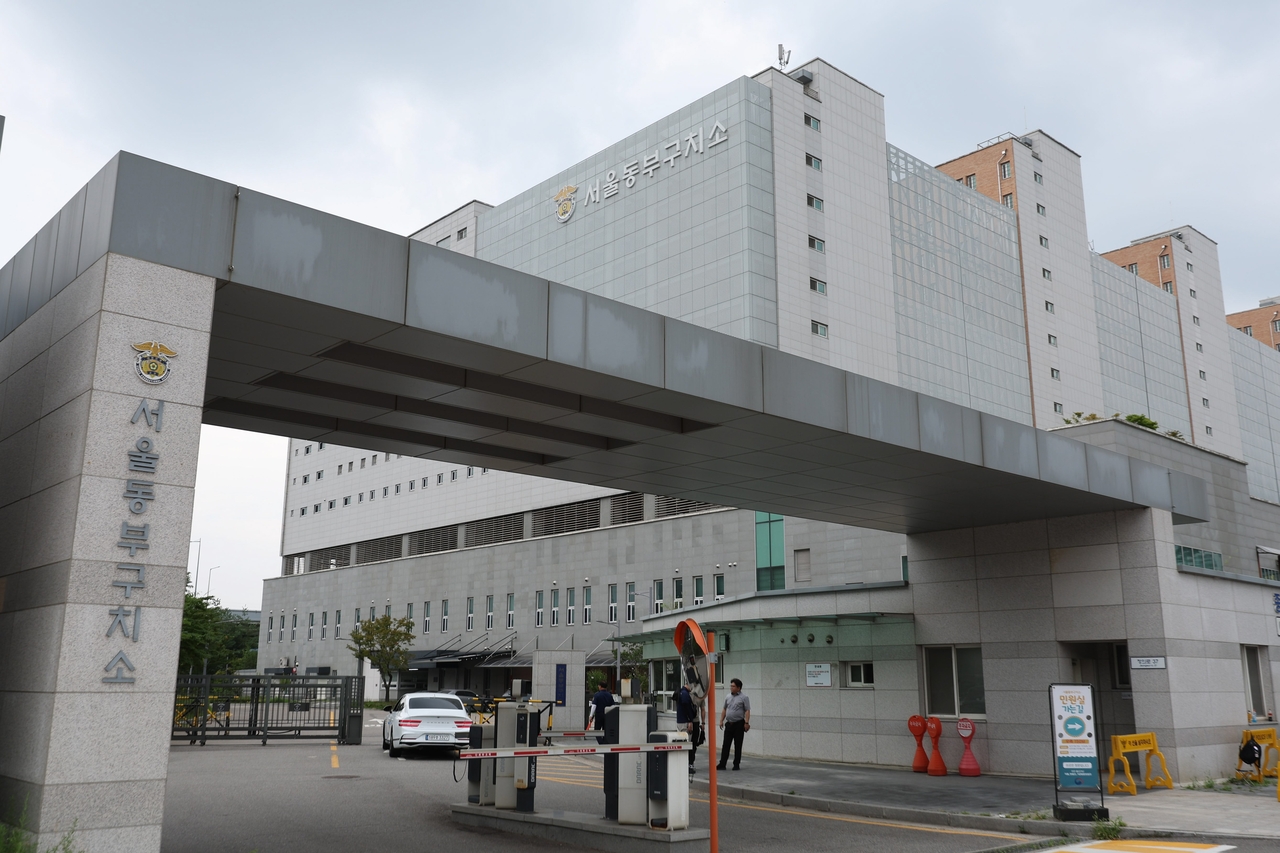
South Korea’s prisons sweltered in extreme heat earlier this summer, with newly released data showing inmates were confined in cells that stayed above 30 degrees Celsius for much of July’s record-breaking heatwave.
Information disclosed by the Ministry of Justice, after a request from three human rights groups, revealed that from July 1 to 10, nearly all of the nation’s 55 correctional facilities reported indoor temperatures above 30 degrees.
At Seoul Detention Center, for example, the temperature on July 10 measured 32 degrees at 6 a.m. and rose slightly higher later in the day, even exceeding the outdoor morning temperature. The Korea Meteorological Administration confirmed that early July was the hottest on record, with national averages reaching 28.2 degrees and Seoul peaking at 37.8 degrees.
Most inmates are housed in cells without air conditioning. Only medical wards are equipped with cooling units, while standard blocks rely on ceiling fans that automatically shut off every hour to prevent overheating. Crowded conditions mean body heat drives indoor temperatures even higher.
The World Health Organization advises keeping daytime rooms below 32 degrees and nights below 24 degrees to reduce health risks. South Korea’s own Korea Disease Control and Prevention Agency recommends 26-28 degrees.
Records showed at least seven inmates were treated for heat-related illnesses, including exhaustion, but some institutions declined to provide figures. No deaths were reported, yet the inconsistent disclosure was described by advocates as a significant transparency problem.
Seoul Detention Center is where former President Yoon Suk Yeol is currently being held.
He was returned to custody on July 10 after a court approved a detention warrant in an investigation into his Dec. 3 martial law imposition. Yoon is confined under standard intake procedures in a solitary cell that, like other ordinary blocks at the facility, has no air conditioning.
Die-hard supporters of the impeached leader have called the lack of air conditioning in his cell a human rights abuse, urging the Justice Ministry to install cooling equipment. It was revealed, however, by Democratic Party lawmakers that Yoon was allowed to spend a total of 53 hours and 53 minutes between July 10-29 in air-conditioned reception areas, exclusively for himself and his guests.
In 2019, the National Human Rights Commission of Korea recommended that the government establish legal standards for appropriate indoor temperatures in correctional facility cells. However, the Ministry of Justice responded that it would be difficult to set binding indoor temperature standards as the issue is linked to mid- to long-term challenges such as overcrowding and overall facility conditions.
The three groups that demanded the information disclosure are Lawyers for a Democratic Society (Minbyun), the Catholic Human Rights Committee and Korean Lawyers for Public Interest and Human Rights.
mjh@heraldcorp.com