Korea’s top three battery-makers -- LG Energy Solution, SK On and Samsung SDI -- operated at around 50 percent capacity in the first half of 2025, amid aggressive expansion by Chinese competitors in global electric vehicle markets.
According to LG Energy Solution’s half-year report released Thursday, the company maintained an average utilization rate of 51.3 percent, producing roughly 10 trillion won ($7.2 billion) worth of products across its global facilities.
The figure has steadily declined from year-round rates of 69.3 percent in 2023 and 57.8 percent in 2024.
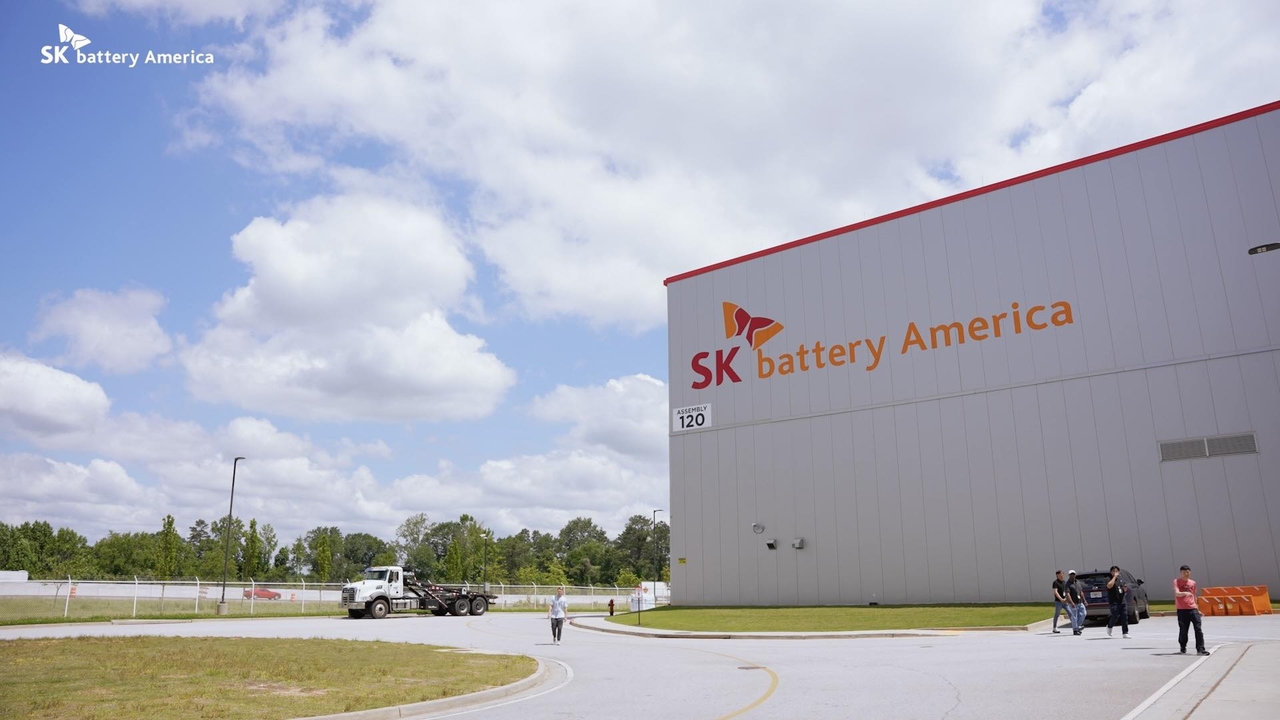
SK On, by contrast, posted an operational rate of 52.2 percent in the same period, up from 43.6 percent in 2024, but still below 87.7 percent reached in 2023.
Its US facilities, which supply batteries for Hyundai Motor Co.’s local production, operated at near full capacity as Hyundai ramped up manufacturing in the country during the first half.
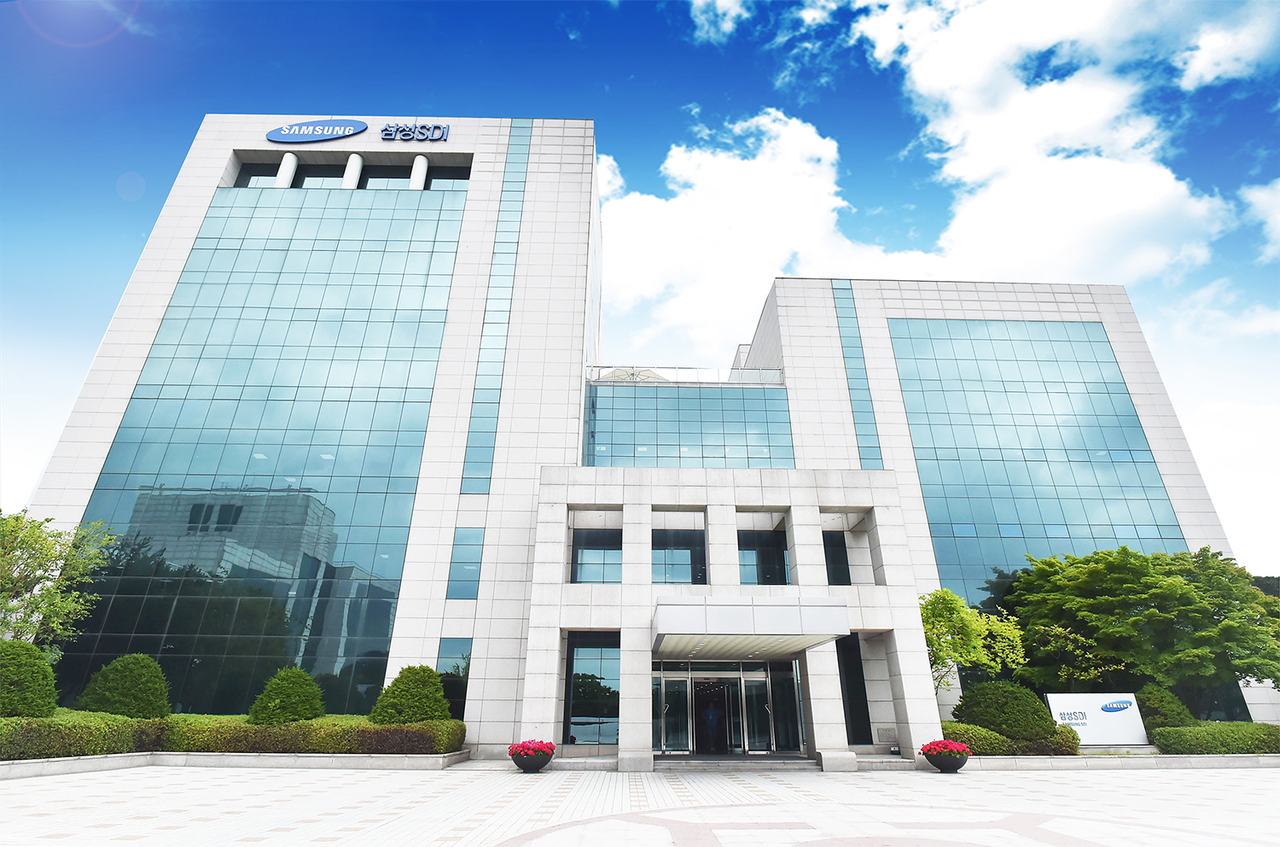
Samsung SDI did not disclose the utilization rate for its main EV battery segment, though it reported a 44 percent rate for its small-battery division. Industry estimates, however, place the company’s overall operational rate at around 50 percent.
Its European plants were believed to have operated at 30 to 40 percent capacity in the first quarter, before gradually recovering in the second. Meanwhile, its US facility under a 50:50 joint venture with automotive conglomerate Stellantis was also estimated to have run at below 60 percent in the first half.
Behind the sluggish operation rates of Korean battery companies was the rapid growth of Chinese companies in the global EV sector.
According to SNE Research, although global EV battery usage outside China rose 23.8 percent year-on-year in the first half of 2025, the combined market share of the three Korean companies fell 8.1 percentage points to 37.5 percent.
LG Energy Solution and SK On posted growth of 2.2 percent and 10.6 percent, producing 43 gigawatt-hours and 19.6 GWh, respectively. They ranked second and third in the market. Samsung SDI, however, recorded a 7.8 percent decline, placing fifth.
In contrast, Chinese battery-makers grew far faster than their Korean rivals.
CATL and BYD, ranked first and sixth globally, recorded battery usage increases of 33.2 percent and 153 percent, respectively. Three other Chinese companies in the global top 10 also posted annual growth of over 30 percent.
To address these challenges, Korean companies have been ramping up research and development efforts.
Samsung SDI led R&D spending in the first half, allocating 704 billion won, or 11.1 percent of total sales, up from 7.8 percent a year earlier.
LG Energy Solution invested 620 billion won, accounting for 5.2 percent of sales, up from 4.2 percent in 2024.
SK On spent about 148 billion won, representing 0.52 percent of sales in the same period.
forestjs@heraldcorp.com