Traces of methamphetamine found in every sewage treatment facility
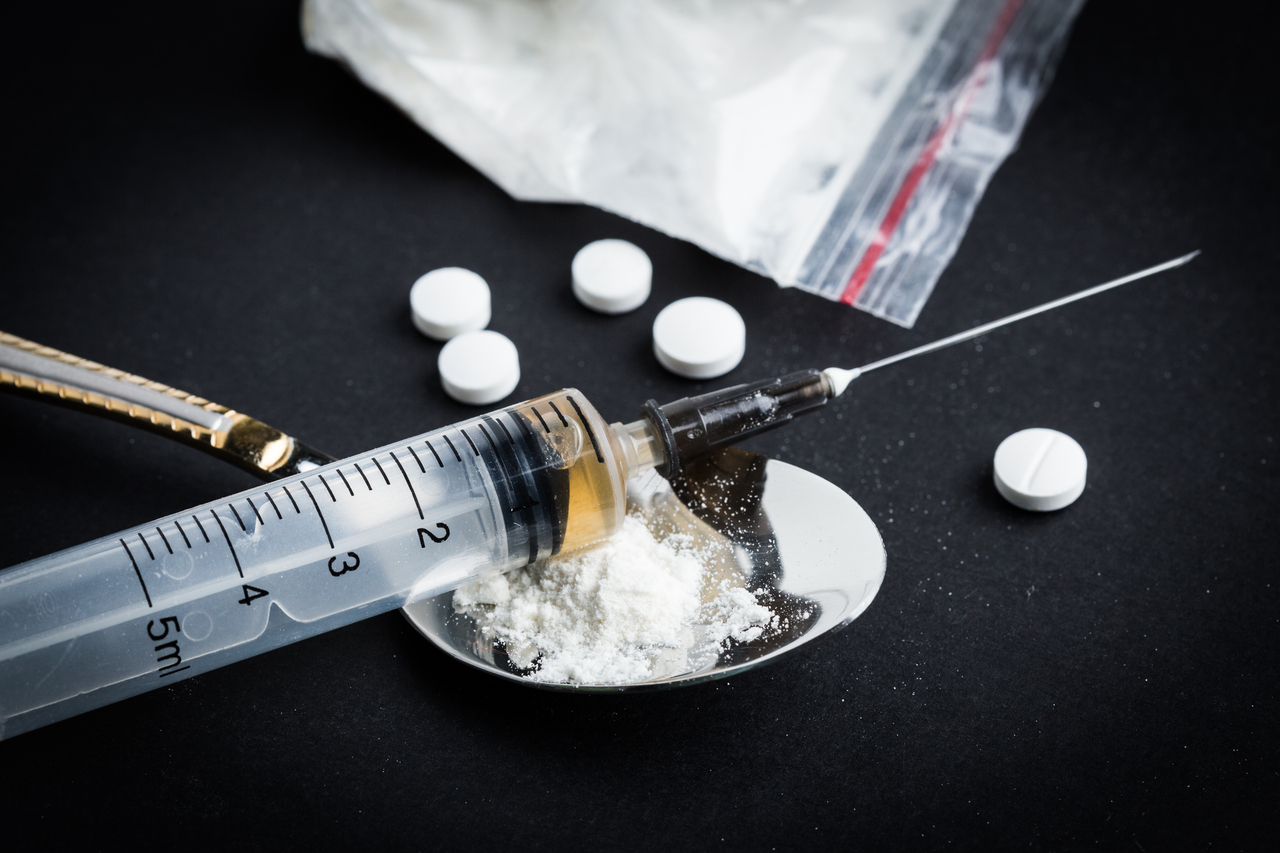
South Korea has seen a steady decline in residue levels of illegal drugs in its wastewater for four consecutive years, indicating a potential decrease in nationwide drug use, according to data presented Thursday by the Ministry of Food and Drug Safety.
According to the ministry’s annual survey analyzing wastewater samples from 34 major sewage treatment facilities nationwide, the daily per-capita use of illegal drugs — such as methamphetamine and cocaine — dropped to 15.89 milligrams per 1,000 people in 2024 from 31.27 mg in 2020, 30.57 mg in 2021, 23.85 mg in 2022 and 20.30 in 2023.
The ministry has conducted the sewage test annually since 2020, with researchers collecting samples of untreated sewage water and analyzing the concentration of drug residue to quantify drug use within a community.
The estimate for meth also fell to 9.86 mg in 2024, a 59 percent drop compared to its numbers in 2020 at 24.16 mg.
While this is significantly lower compared to meth usage levels reported in countries such as the United States — which recorded up to 2,667 mg of methamphetamine in 2023 — traces of meth were still found at all 34 sewage plants, suggesting a widespread distribution.
According to its findings, the ministry estimates that approximately one out of every 3,000 people used meth in 2024, based on calculations that a typical, one-time dose of meth is around 30 mg.
The ministry added that other illicit drugs, such as ecstasy and cocaine, also saw downward trends. The estimated use of ecstasy dropped for the second consecutive year to 0.62 mg in 2024 from 1.43mg in 2023 and 2.58 mg in 2022, while the estimated use of cocaine also declined to 1.23 mg in 2024 from 1.43 mg in 2022.
When looking into specific regions, certain industrial zones with high concentrations of foreign national labor workers, such as parts of Incheon and Shihwa in Gyeonggi Province, recorded meth levels 141 percent above the national average.
The ministry added that this aligns with the trend in the increasing number of drug-related offenses among foreign nationals. According to the Supreme Prosecutors’ Office, the number of foreign nationals arrested for drug-related crimes has steadily increased since 2022, reaching 3,232 in 2024, up from 2,573 two years earlier.
In response, the government plans to deploy a joint interagency crackdown task force composed of the Korean National Police Agency, the Supreme Prosecutors’ Office and other relevant authorities to conduct intense inspections in areas with high concentrations of illegal drugs.
Additionally, the ministry added that it plans to upgrade its sewage water monitoring system to track more than 200 drug substances, including medical and emerging synthetic drugs. Previously, the ministry was only capable of tracing up to 15 illegal drug substances.
In cities with large floating populations, samples will be collected from over 10 drainage points per treatment area. When drug traces are found, additional samples may be taken from septic tanks or plumbing systems nearby to improve traceability.
lee.jungjoo@heraldcorp.com