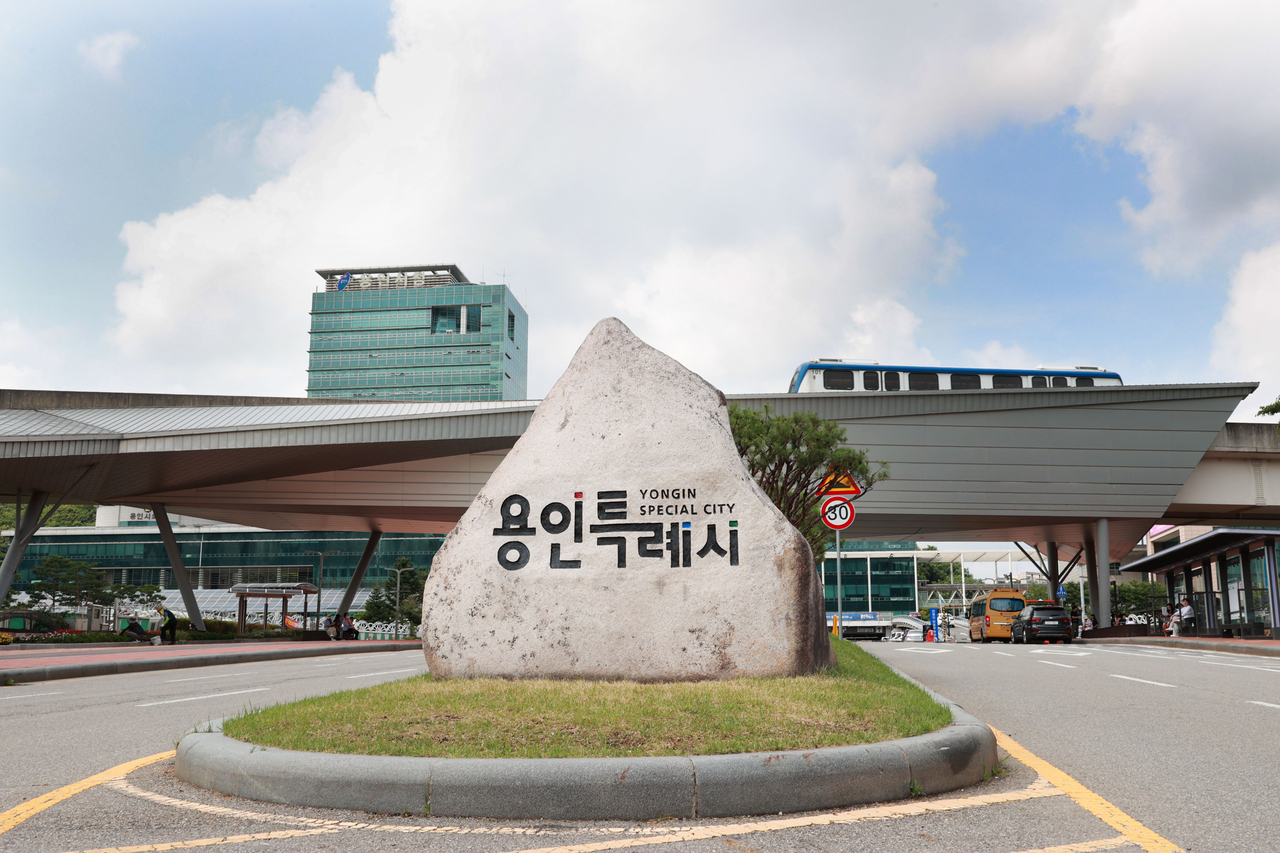
The city of Yongin, recognized as a key player in South Korea’s semiconductor strategy, is making significant strides toward becoming a global leader in the industry.
Building on landmark achievements made in 2024, the city is now focusing on the development of infrastructure, industrial parks and residential spaces to support its semiconductor ambitions.
In December 2024, the Ministry of Land, Infrastructure and Transport granted final approval for the Advanced System Semiconductor Industrial Complex, a 360 trillion won ($246.8 billion) project spearheaded by Samsung Electronics.
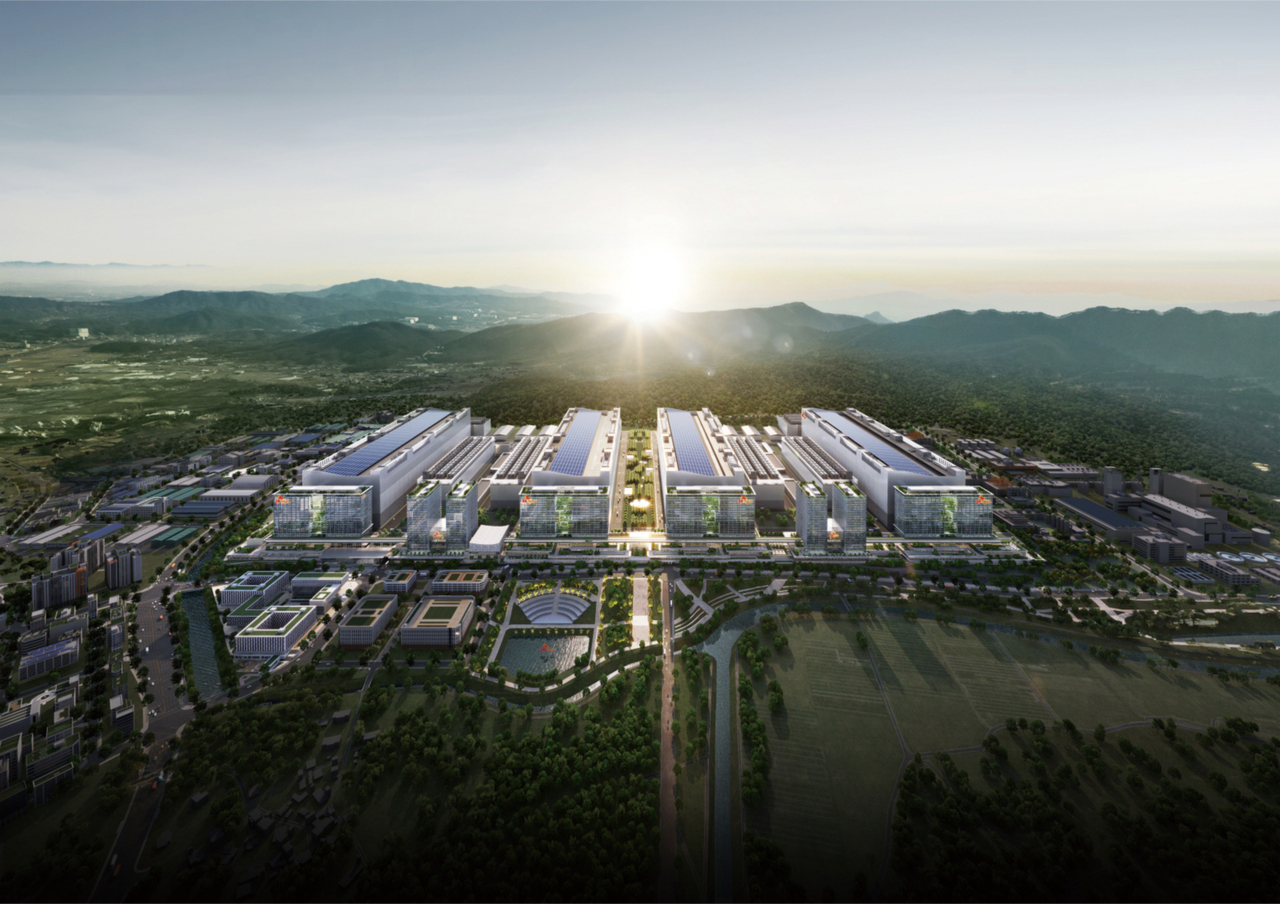
The complex, spanning 7.28 square kilometers, will feature six fabrication plants and accommodate up to 150 partner companies. Construction is scheduled to begin next year, with the first fabrication plant expected to become operational by 2030.
Adding to this, a 122 trillion won project led by SK hynix, the Yongin Semiconductor Cluster, is also progressing rapidly. In 2023, the city completed regulatory adjustments to its industrial zoning, thereby expediting the construction timeline for the cluster and related infrastructure projects by over three years. The city announced that construction of the cluster's first fabrication plant will begin in March.
Recognizing the city's strategic importance, global semiconductor giants including ASML, Lam Research and Tokyo Electron are currently in discussions with the city to establish branches in Yongin.
Plans are also underway to integrate these clusters with nearby residential and cultural facilities, further enhancing the city’s appeal as a comprehensive and dynamic industrial ecosystem.

As part of these efforts, Yongin is prioritizing infrastructure upgrades, including development of an L-shaped three-axis road network to strengthen connectivity and streamline transportation between its semiconductor clusters.
The Gyeongbu Underground Expressway, which passed a preliminary feasibility study in 2024, will link the Giheung Interchange and the Yangjae Interchange, easing congestion on existing highways. National Route 45, a critical artery for the region, is set to be expanded from four to eight lanes by 2030. Plans are also underway to develop the Dongbaek Interchange on the Yeongdong Expressway, further improving logistics and transportation efficiency.
Yongin has also prioritized sustainability as part of its semiconductor-focused growth.
The Carbon Neutrality Support Center, established in 2024, is overseeing 69 carbon-neutral projects and 39 climate adaptation measures. These initiatives aim to cut greenhouse gas emissions by 556,000 tons and improve water quality in key reservoirs, such as Giheung and Idong.
In line with its focus on sustainable growth, the city’s urban development initiatives align closely with its industrial ambitions.
The 2040 Yongin Urban Master Plan, designed to accommodate a population of 1.5 million, focuses on optimizing land use, modernizing housing, and creating sustainable public spaces. The plan also includes provisions for new residential complexes, such as the Idong New Town, which will accommodate 16,000 households, primarily workers in the semiconductor industry.
The city is also investing in cultural and historical projects, including a 1,983-square-meter exhibition hall in the Yongin Semiconductor Cluster to preserve artifacts unearthed during its construction.
In addition to its industrial projects, Yongin is working to improve its welfare and public services.
The city launched the 2024 Community Service Investment Project, allocating 2.6 billion won to provide welfare services, including psychological support and rehabilitation programs. Autonomous delivery robots will also begin operating in parts of the city this April, offering book delivery services to residents with limited mobility.
The city earned its status as a special city in 2022 thanks to its population of over 1.1 million. Yongin is one of only four special cities in Korea, alongside Suwon, Goyang and Changwon. This status grants the city greater administrative powers compared to other local governments, allowing it to pursue large-scale projects with more autonomy.
fob140@heraldcorp.com
flylikekite@heraldcorp.com