Korea to open energy supply market to private sector
에너지 부문 민간 개방
The government will partially open the nation’s state-controlled energy supply market to the private sector, as part of comprehensive restructuring plans for public firms accused of inefficient management and high debt levels, officials said Tuesday.
비능률적 경영과 높은 부채로 비난 받는 공기업의 포괄적 구조조정안의 일환으로 국가가 관리하는 에너지 공급시장을 민간부문에 일부 개방할 예정이라고 화요일 정부 관계자들이 밝혔다.
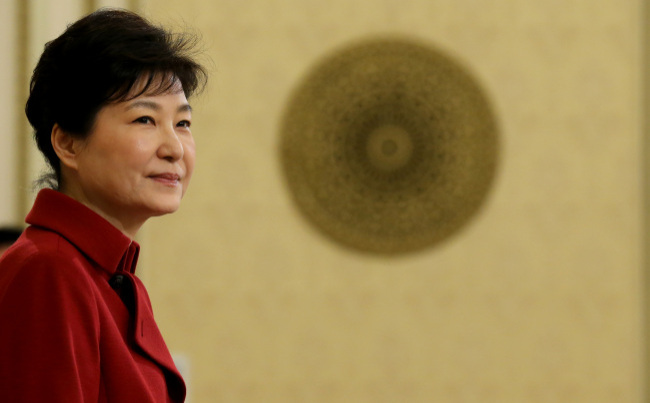
In a workshop meeting led by President Park Geun-hye, chiefs of state firms also vowed to reduce non-core work and list a total of eight power suppliers to attract fresh funds and improve management transparency. “We need to look at whether public organizations are focused on their key work and (if necessary) should reduce or abolish unnecessary functions,” said Park at the meeting held at the Government Complex in Seoul.
박근혜 대통령이 주재한 워크숍에서 공공기관장들은 비핵심 업무를 줄이고 민간 자금을 끌어들이기 위해 8개 에너지 공공기관을 상장하고 경영 투명성을 개선하겠다고도 말했다. 박 대통령은 정부서울청사에서 열린 워크숍에서 “공공기관이 핵심업무에 집중하고 있는지 살피고 (필요하다면) 불필요한 기능을 축소하거나 폐지해야 한다”고 말했다.
The major part of the plan is to open areas monopolized by pubic organizations to the private sector. First, the government will relax regulations on electricity sales by Korea Electric Power Corporation -- the nation’s largest electric utility -- and gradually open the market to the private sector. This indicates that it will allow renewable energy entrepreneurs in solar power and energy storage to supply electricity directly to consumers.
중요한 부분은 공공기관들이 독점하던 부문을 민간부문에 개방한다는 것이다. 우선 정부는 한국 최대 전력회사 한국전력의 전력 판매에 대한 규제를 완화하고 점차 민간부문에 시장을 개방할 방침이다. 이는 태양광, 에너지 저장장치 등 에너지 신산업 사업자들이 소비자들에게 전력을 직접 공급할 수 있게 한다는 것을 시사한다.
The imported liquefied natural gas market dominated by Korea Gas Corporation will also be opened up to the private sector. The government said it planned to lower the price by bringing private companies such as POSCO, GS Energy and SK E&S into the market.
한국가스공사가 지배하고 있는 수입 액화천연가스(LNG) 시장도 민간 부문에 개방된다. 정부는 포스코, GS에너지 SK E&S 등 민간회사들을 영입해 가격을 낮출 것이라고 말했다.
Apart from the market opening, eight energy companies -- including Korea Hydro & Nuclear Power Co., and Korea Electric Power Knowledge Data Network -- and five power companies -- including Korea South-East Power Co. -- will gradually be listed from the first half of next year.
시장 개방 외에도 한국수력원자력, 한전KDN 등 8개 에너지 기업과 남동발전 등 5개 발전 회사가 내년 상반기부터 순차적으로 상장될 예정이다.
The listing will be done in the way that the government holds more than 51 percent of their shares and sell 20 to 30 percent to the market. As to Korea District Heating Corp., whose debt ratio is 181 percent, is expected to increase capital by issuing new stocks to improve its financial structure.
상장은 정부가 지분의 15%이상을 보유하고 시장에 20~30%를 매도하는 방식으로 이뤄질 예정이다. 부채비율이 181%인 지역난방공사의 경우 재무구조 개선을 위해 신주를 발행해 자본을 늘릴 것으로 예상된다.
The government also announced its plan to shut down struggling public organizations or reduce noncore sectors. Korea Coal Corporation, which has long suffered from impaired capital, will be effectively shuttered through gradual staff reductions. Korea National Oil Corporation will slash 30 percent of its employees by 2020 and Korea Resources Corporation will reduce its overseas resource development function gradually.
또한 정부는 고전을 겪고 있는 공공기관을 폐쇄하고 비핵심 부문을 줄이는 계획을 발표했다. 오랜 기간 자본잠식을 겪어온 석탄공사는 단계적인 감원 조치를 통해 사실상 폐쇄될 것이다. 석유공사는 2020년까지 직원을 30% 감원할 예정이고 광물자원공사는 해외자원 개발기능을 점차 줄여나갈 예정이다.
In the process, around 3,500 employees are expected to be either reassigned or lose their jobs.
이러한 과정에서 3,500명 정도의 직원이 보직이 변경되거나 해고될 것으로 보인다. (코리아헤럴드 06월15일자 기사)











