The police raided Monday the Cha Medical Group, one of the largest polyclinics specializing in stem cell therapies, on suspicions its ownership family members received unauthorized therapy using donated cord blood.
The key goal of searching the hospital, home and office of the hospital’s Chairman Cha Kwang-yul, as well as the head of the hospital’s cord blood banking service, was to find evidence the chairman gave direct orders for illegal stem cell therapies. By law, donated cord blood can only be used for research purposes.
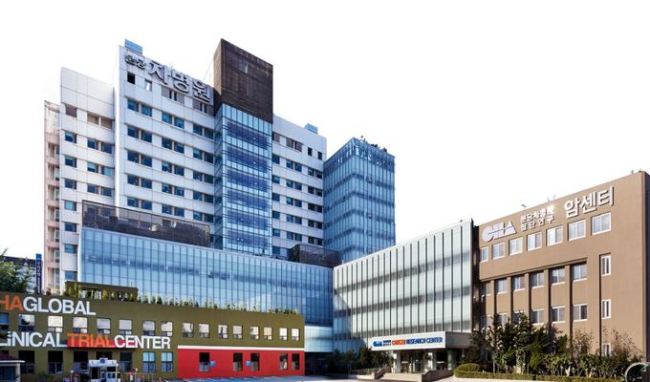
The given case is also connected to the extensive corruption scandal involving President Park Geun-hye and her longtime friend Choi Soon-sil, as the two are also under suspicions of receiving illicit anti-aging therapies at the group’s affiliated hospital.
The group chairman and his family members, including his father and wife, are suspected of receiving therapies using donated cord blood.
Such allegations came to light on the sidelines of charges that President Park and Choi frequently visited Chaum, a prestige hospital branch of the group, to receive unauthorized cosmetic surgeries.
So far, the prime charge has been on the cord blood bank chief, surnamed Kang, who allegedly gave nine therapies in total to Cha family members from January 2015 to September 2016. None of them suffered from critical genetic diseases that require stem cell treatment.
The Act on Cord Blood Management states that a maximum jail term of two years or a fine of 10 million won ($8,700) is to be imposed on those who carry out therapies using cord blood without due authorization.
“As of now, the range of our investigation only involves Kang, as the related clause does not explicitly include those who received therapy,” the police had said last month, upon taking on the case.
After questioning several hospital officials, however, investigators decided that the chairman’s family may also be subject to sanctions if Cha turns out to have given direct orders to Kang to perform the disputed surgeries.
Their legal basis is another clause of the law, which says that those who aid or abet cord blood therapies in exchange for benefits are to face a maximum jail term of five years or a fine of 30 million won.
The Health Ministry earlier revoked its designation of the group as a state cell bank, a move which will force it to return some 500 million won it received in government subsidies.
Umbilical cord blood, which refers to blood that remains in the placenta and the attached umbilical cord after childbirth, is considered useful in treating genetic disorders.
The substance, usually donated for research purposes or stored in banks by parents, may only be used upon the authorization of the Koreas Centers for Disease Control and Prevention or the consent of the client.
koreaherald@heraldcorp.com











