Signs of Kim-Xi summit ahead of G20 put Beijing's diplomatic leverage in focus
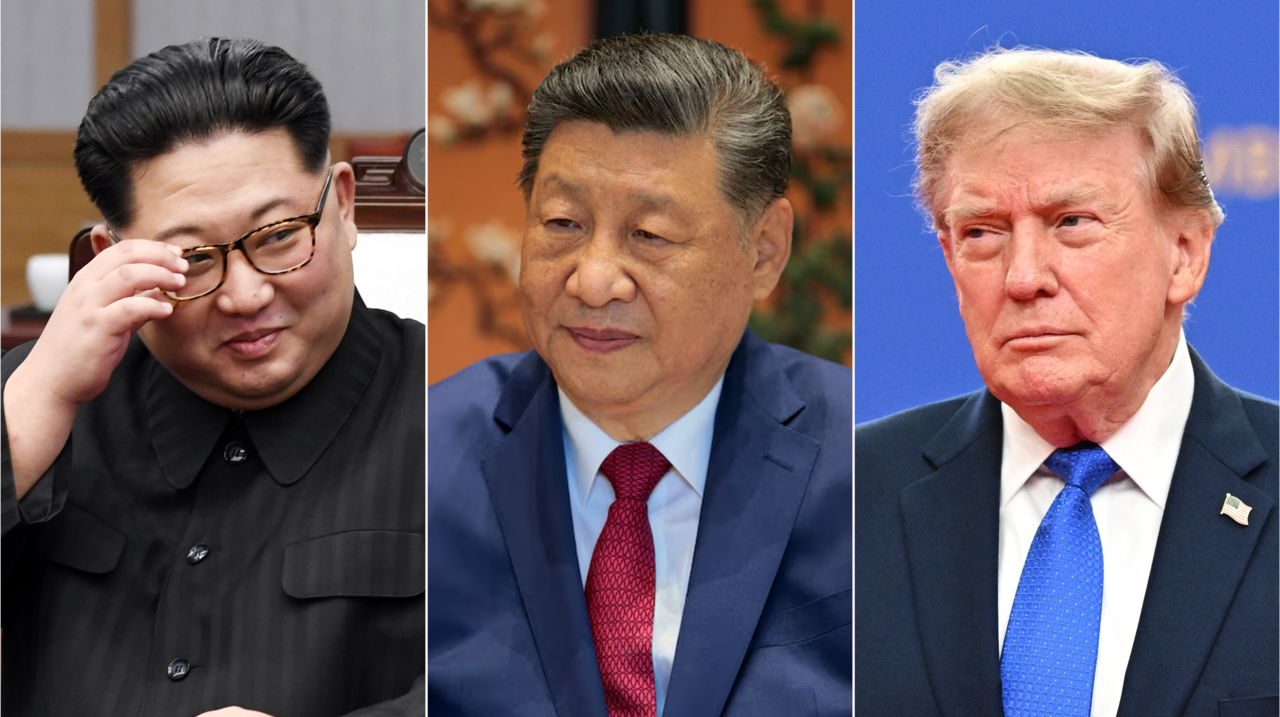
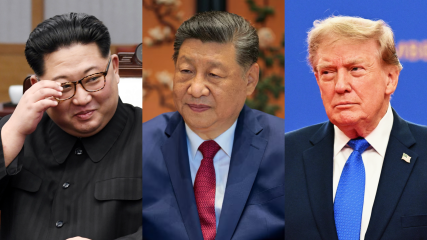
Signs of a possible visit to China by North Korean leader Kim Jong-un are emerging along the two countries' border, raising a question ahead of next month's Group of 20 summit: Could Chinese President Xi Jinping become a diplomatic intermediary between Kim and US President Donald Trump?
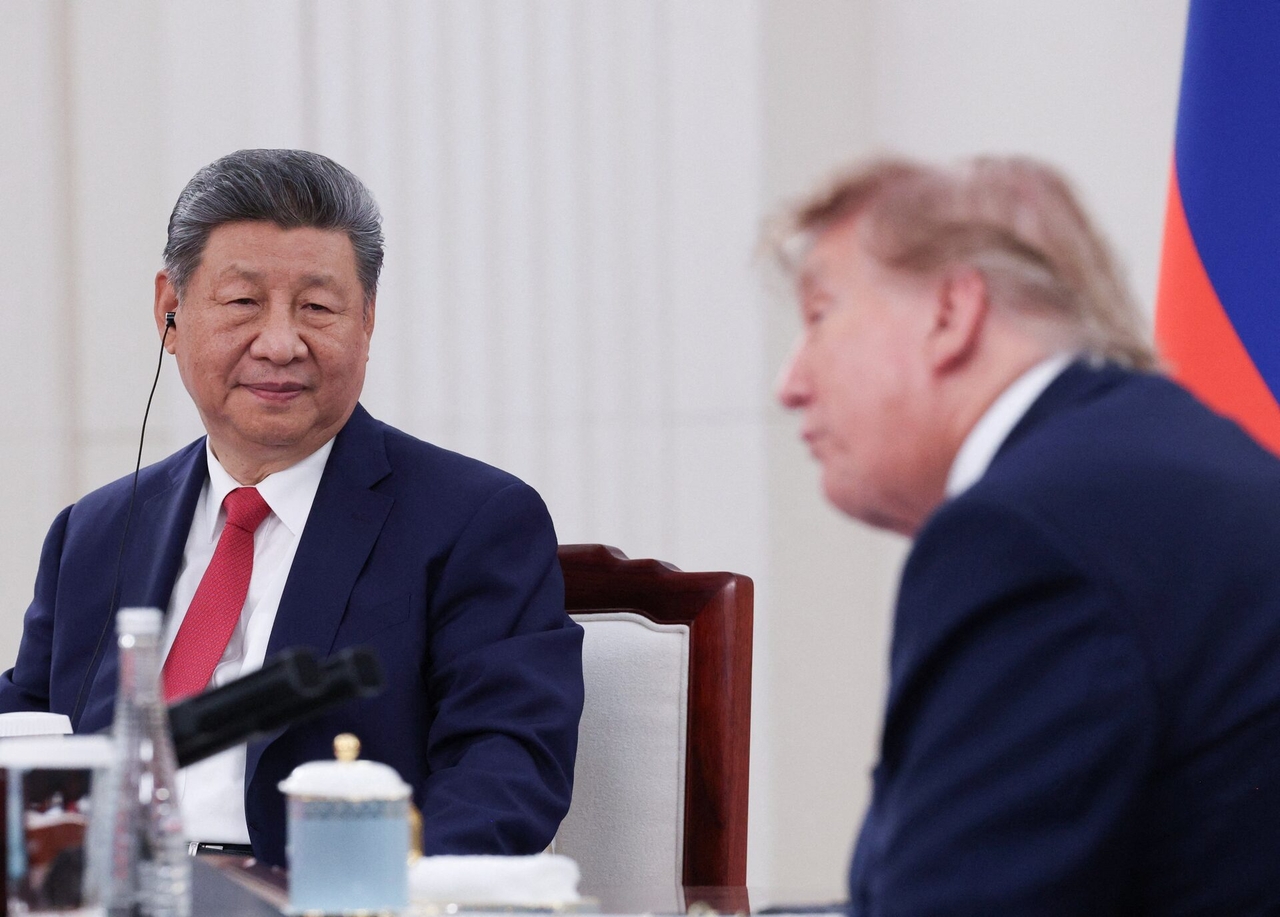
A Kim-Xi summit could give Pyongyang an opportunity to convey its terms for renewed dialogue with Washington, while allowing Beijing to demonstrate its influence over North Korea ahead of another potential Xi-Trump meeting, experts said.
Japan's Kyodo News reported Sunday that construction screens had been erected Saturday night along railway tracks connecting North Korea and China in Dandong, a border city in China's northeastern Liaoning province.
Similar screens were installed in September 2025 when Kim traveled through Dandong aboard his private train to attend China's Victory Day military parade in Beijing.
Citing diplomatic sources, Kyodo also reported that plans were being considered for Kim to visit several Chinese cities and meet Xi in early December.
Adding to the speculation, a hotel overlooking the railway bridge connecting the two countries has no rooms available through Dec. 4, according to a local media report. The hotel attributed the lack of availability to group reservations.
South Korea's National Intelligence Service said Saturday that it was monitoring developments surrounding Kim's potential visit.
A Cheong Wa Dae official also said Friday that Seoul was closely monitoring North Korea-China relations, but denied reports that Xi had raised the possibility of Kim's visit during his Nov. 18 summit with President Lee Jae Myung.
Xi as intermediary?
The timing of a potential Kim-Xi summit is particularly significant given Trump's repeated overtures to Kim and the upcoming G20 summit in Miami on Dec. 14-15, where Trump and Xi could meet again.
Trump expressed his willingness to meet Kim ahead of the Asia-Pacific Economic Cooperation summit in Shenzhen, China, earlier this month, but the anticipated meeting failed to materialize.
Instead, Trump held an unprecedented trilateral summit with Xi and Russian President Vladimir Putin on Nov. 19, during which Korean Peninsula issues were reportedly discussed.
Nam Sung-wook, a professor of North Korean studies at Korea University, said Kim could use Xi as an intermediary to convey his conditions for meeting Trump.
"Kim wants Xi to convey to Trump that there will be no denuclearization and that sanctions must be lifted if he wants to meet," Nam told The Korea Herald. "Such a message would carry much more weight if delivered by an influential actor like Xi Jinping."
Nam said Kim remains interested in engaging with Trump while he is in office but is wary of another summit that amounts to little more than a photo opportunity.
Kim's Wednesday visit to nuclear material production and weapons research facilities could also be interpreted as an attempt to make clear that denuclearization is off the table, Nam added.
Cheong Seong-chang, vice president of the Sejong Institute, suggested that Beijing may have a stronger diplomatic incentive than Pyongyang to arrange a summit.
"Before meeting Trump again, Xi needs to meet Kim in person to ascertain his position on a US-North Korea summit," Cheong said, adding that such a meeting would allow China to demonstrate its influence over Pyongyang to Washington.
China's diplomatic leverage
Cheong also said that the prospects for another US-North Korea summit are slim, despite Trump's repeated overtures.
While Trump could present an agreement to suspend North Korea's intercontinental ballistic missile tests as a foreign policy achievement, Washington has little to offer Pyongyang, Cheong said, given the diminished effectiveness of US sanctions amid North Korea's growing cooperation with China and Russia.
Kim could reconsider his position, however, if Beijing offered substantial incentives to engage with Washington.
Regardless of whether a Kim-Trump summit materializes, China could benefit diplomatically from acting as an intermediary, particularly with inter-Korean communication channels effectively severed, Cheong said.
Kim's economic interests
Beyond diplomacy, Kim may have economic reasons to seek a meeting with Xi, particularly as North Korea looks to revive tourism from China.
According to a 2021 analysis by 38 North, at least 350,000 Chinese tourists visited North Korea in 2019, potentially generating as much as $175 million in revenue.
Securing Xi's support for organized Chinese group tours could prove more effective than seeking cooperation from individual Chinese provincial governments, Cheong said.
Kim could also seek Chinese assistance in procuring medical equipment for newly built hospitals under his regional development initiatives.
Where does Seoul stand?
For South Korea, a potential Kim-Xi summit could offer an indirect channel of communication with Pyongyang as efforts to restore inter-Korean dialogue remain stalled.
During his meeting with Xi in Shenzhen, Lee sought a constructive role for China in promoting peace on the Korean Peninsula.
Cheong said Xi could relay Lee's position to Kim, although Pyongyang is unlikely to respond positively to Seoul's calls for dialogue.
"There are considerable limits to what China can do to improve inter-Korean relations," Cheong said, adding that Seoul has little choice but to continue seeking Beijing's cooperation.
flylikekite@heraldcorp.com