Fears of peak in memory earnings recede, but Korean chipmakers continue to diversify customer base
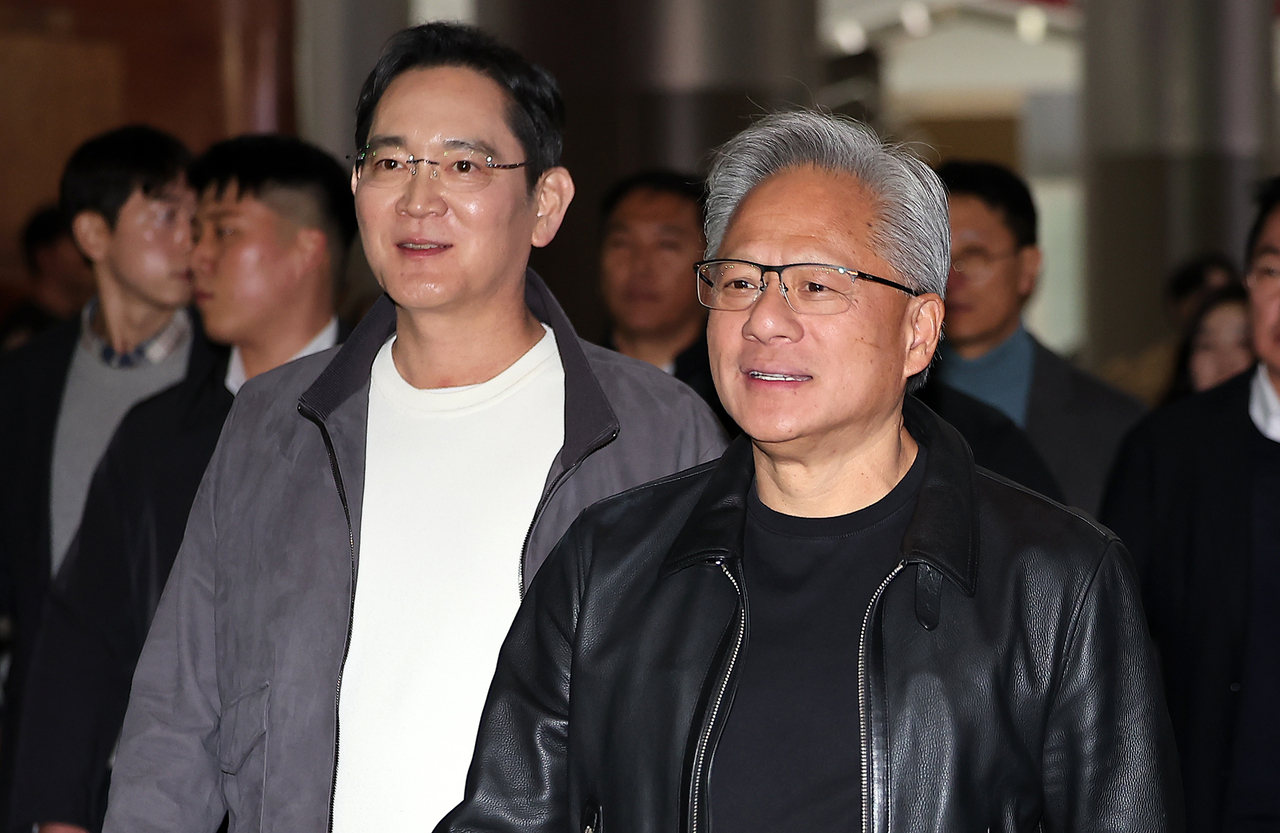
Jensen Huang’s return as Nvidia CEO, announced just 11 days after his resignation, has eased concerns over Samsung Electronics and SK hynix’s high-bandwidth memory partnerships with the US chip giant and the longevity of Korea’s AI-driven memory boom.
Both Korean chipmakers, however, are expected to continue broadening their customer base as global tech giants ramp up development of their own artificial intelligence chips.
Nvidia announced Monday that its board had unanimously voted to reinstate Huang as president, CEO and a board member. He stepped down on Nov. 12 amid controversy over his personal conduct and reports that he had been targeted by a foreign intelligence operation. The board said it had determined, after receiving input from senior US government officials, that his reinstatement posed no national security risk. It said its independent investigation into those reports would continue as it strengthens oversight of national security and export controls.
For Samsung and SK hynix, much of the uncertainty had centered on whether a new CEO would alter Nvidia’s aggressive chip development road map and procurement strategy.
As HBM is developed in close coordination with AI chip designers, any changes to Nvidia’s product road map could affect development schedules, future orders and pricing negotiations at its Korean suppliers.
SK hynix has been Nvidia’s key HBM supplier since it began shipping HBM3 in 2022. Sales to Nvidia in the first nine months of this year are estimated to have reached nearly 35 trillion won ($26.06 billion), or 14.8 percent of its total revenue, according to industry sources.
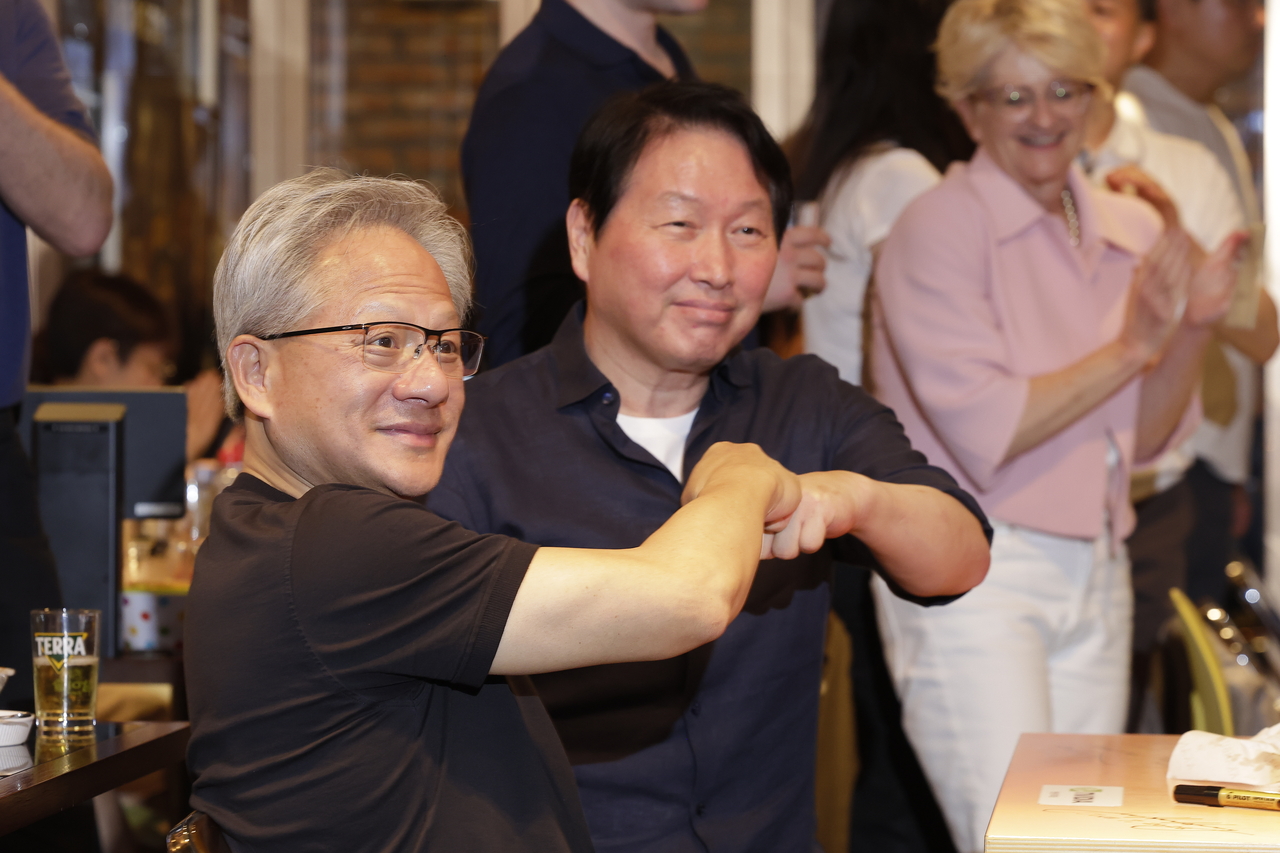
During Huang’s visit to Seoul in June, SK Group Chairman Chey Tae-won laid out plans to extend the partnership beyond memory chips into AI infrastructure.
Samsung, meanwhile, is looking to expand its share of Nvidia’s memory business. Its chip chief discussed long-term cooperation on HBM4E and HBM5, as well as foundry services, with Huang in June, building on existing supplies of HBM4 and low-power server memory modules known as SOCAMM.
“With Huang back at the helm, we expect Korean chipmakers’ existing partnerships with Nvidia to remain stable,” an industry source said. “But some uncertainties remain, and we need to keep a close eye on developments.”
Nvidia’s multiyear procurement commitments offer a separate indication of how long demand for AI memory could hold up.
Nvidia disclosed last week that its total commitments for supply and production capacity had risen to $390 billion from $279 billion in the previous quarter, with multiyear memory procurement accounting for most of the increase.
Market tracker TrendForce expects average HBM selling prices to more than double next year, rising 122 percent to $3.70 per gigabit as higher-priced HBM4 accounts for a growing share of shipments and supplies remain tight.
Samsung said in its earnings call last month that its planned HBM output for 2027 was already sold out. SK hynix said its DRAM and HBM supplies were effectively booked through 2029, taking into account both signed contracts and demand under negotiation.
Yet Nvidia’s leadership crisis has also highlighted the risks of relying too heavily on a single customer, even as the AI memory market itself expands beyond the US chip giant.
TrendForce projects Nvidia will remain the largest source of global HBM demand in 2027, though its share will fall from 55 percent this year to 42 percent. Google’s share, by contrast, is expected to climb from 22 percent to 31 percent as the tech giant expands the use of its custom AI chips, known as tensor processing units.
SK hynix has signed long-term supply agreements with 14 major customers, including cloud service providers, covering more than half of its projected production capacity for 2027 and 2028.
Samsung has been expanding ties with AMD, Google and Broadcom, drawing on both its memory and foundry businesses. It has also finalized multiyear memory supply deals with 10 major customers and is negotiating with another 10.
“The latest episode has highlighted the need to strengthen ties with Nvidia while reducing dependence on any single customer,” another industry source said. “Nvidia remains a key driver of growth, but rising demand for custom AI chips from companies like Google will give memory suppliers more opportunities to diversify.”
yeeun@heraldcorp.com