South Korea plans to build two matcha processing lines and help tea growers share farm work under a five-year strategy to capitalize on rising demand for matcha lattes and desserts while shoring up a shrinking tea industry.
The Agriculture Ministry said Wednesday it aims to raise annual tea exports to $35 million by 2031, up from $20.75 million in 2024. The plan calls for increasing annual production from 3,685 to 4,500 metric tons while keeping at least 2,500 hectares, or about 6,200 acres, under cultivation.
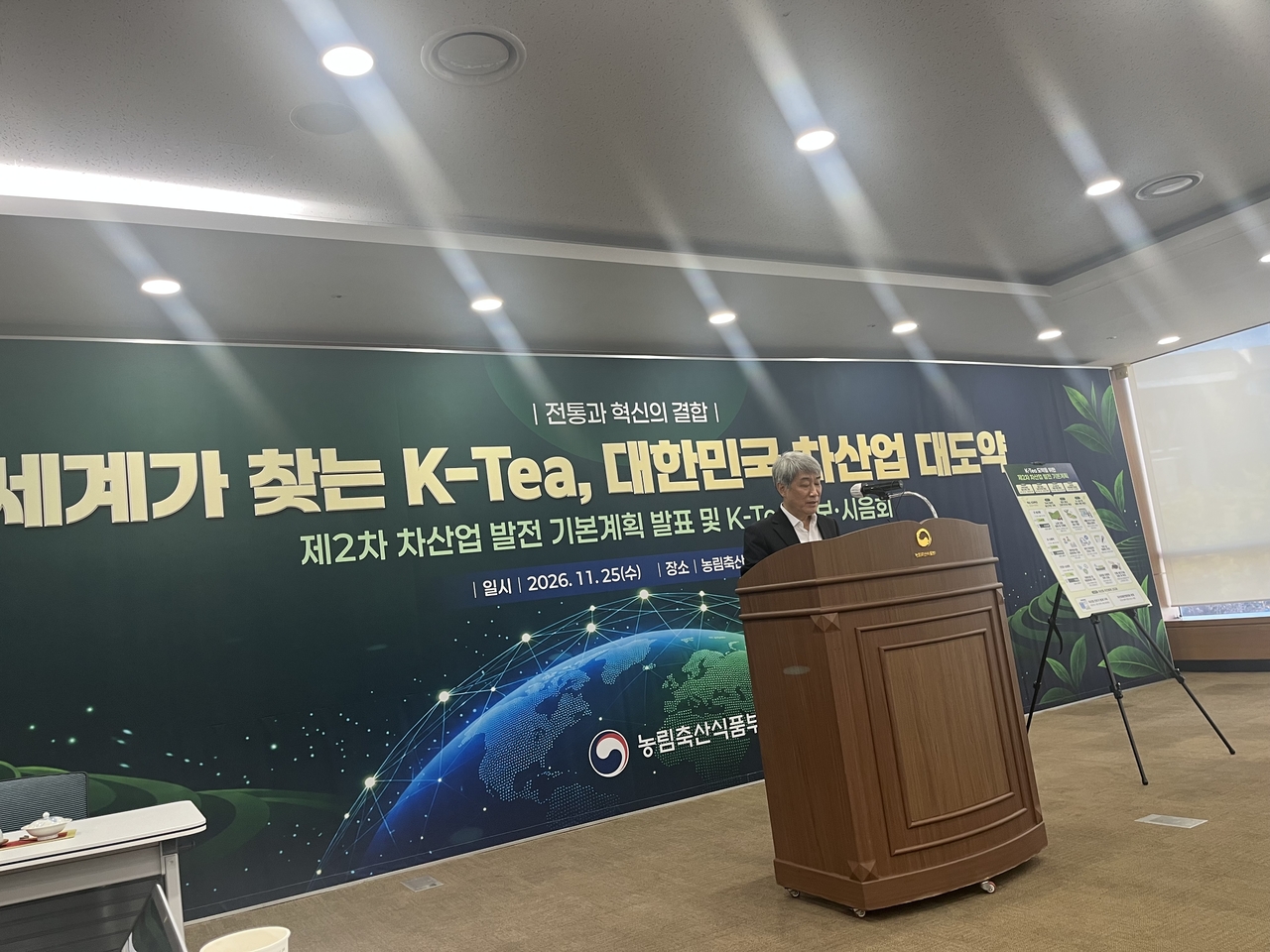
The number of tea farms fell from 3,406 in 2017 to 2,683 in 2024, a decline of about 21percent, the ministry said. The area under cultivation shrank about 16 percent over the same period as growers faced an aging workforce and labor shortages. Demand has moved in the other direction. South Korea’s green tea exports rose 45.5 percent in 2025 to $8.66 million.
The government plans to spend 10 billion won ($7.4 million) over two years starting in 2027 to equip two major tea-growing areas with facilities for steaming, drying, sorting and finely grinding tea leaves. The ministry expects the expansion to help increase annual domestic matcha production from about 650 to 800 metric tons.
A contract farming pilot in 2027 and 2028 will let growers and buyers agree in advance on the quantity and quality of tea to be produced and the delivery timeline. A separate pilot worth about 3 billion won will help growers share tasks such as pruning, shading and harvesting. The ministry also plans to introduce lightweight equipment for hillside farms and help young growers gain access to leased tea fields and practical training.
To help companies sell abroad, the ministry plans to set matcha standards for color and particle size, strengthen safety checks and help exporters navigate labeling and customs requirements. It will also test promotional sites in one or two promising overseas markets, giving prospective buyers a place to taste Korean teas and meet suppliers.
At home, the government aims to increase annual tea consumption from 95 to 120 grams per person by 2031. It plans to support the development of ready-to-drink teas and promote domestic products through tastings and pop-up shops at airports and near universities.
Tea-growing areas including Boseong, Hadong and Jeju will be part of an effort to expand tea tourism, while traditional loose-leaf teas will carry clearer information about where it was grown, when it was harvested and who processed it.
Agriculture Minister Song Mi-ryung said the plan was designed to translate demand for higher-value products such as matcha into higher farm incomes and stronger exports.
(shinyb@heraldcorp.com)
shinyb@heraldcorp.com