Murder of 15-year-old girl highlights teen exploitation, raises questions over Korea's youth protection system

They offer food, shelter and a place to belong. But for vulnerable teenagers estranged from their families, accepting help from strangers can lead to criminal and sexual exploitation.
The fatal stabbing of a 15-year-old girl in northern Seoul on Nov. 10 has drawn attention to such “helpers” — adults who offer food and accommodation to vulnerable minors before exploiting their dependence.
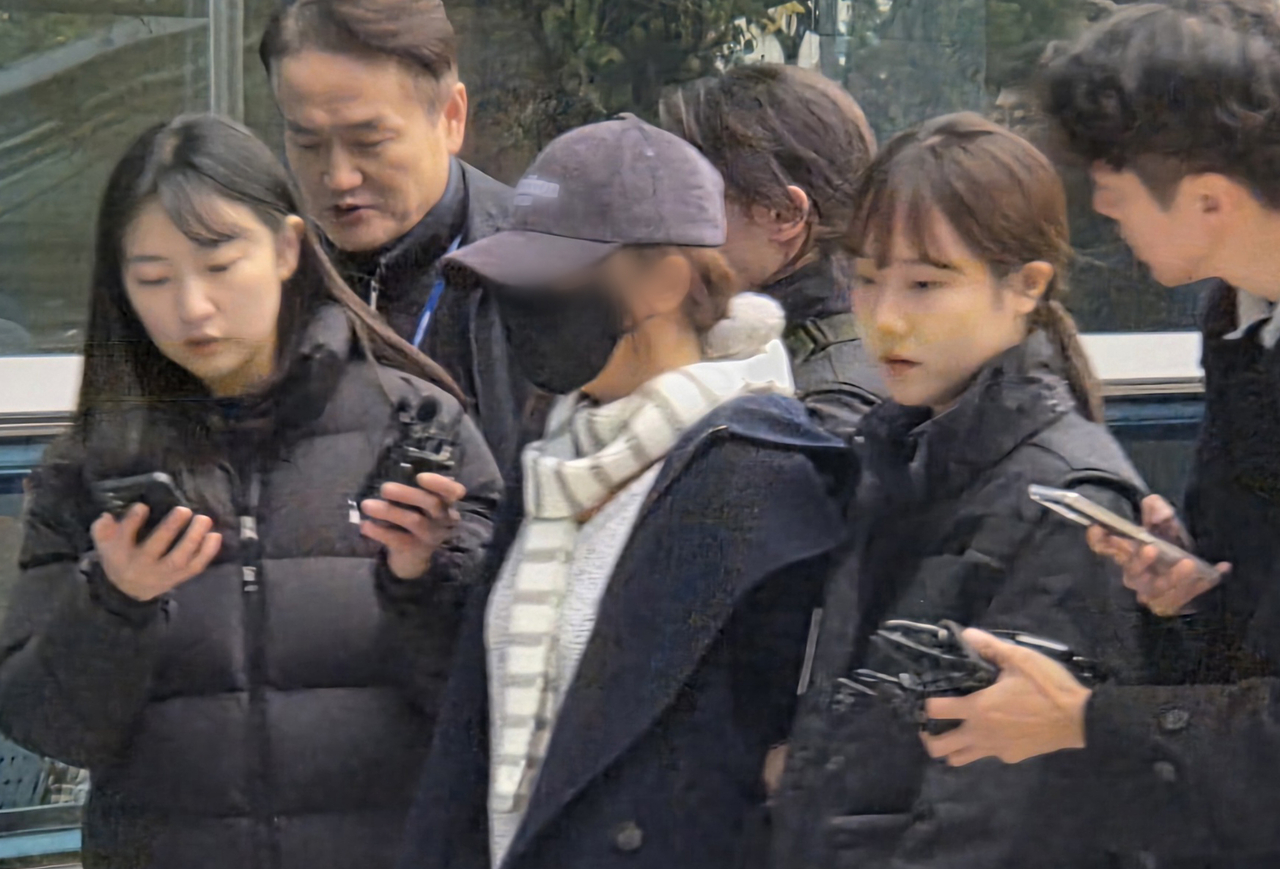
Police investigating the girl's killing are looking into allegations that a 26-year-old woman, surnamed Kim, manipulated the victim into committing crimes and exerted psychological control over her.
Kim, the former girlfriend of the 59-year-old related murder suspect surnamed Jin, reportedly admitted to police that she had instructed the girl to commit petty crimes, but denied coercing her into prostitution.
Kim is currently in detention on suspicion of several offenses, including instigating theft, acquiring stolen property, fraud and violating laws protecting minors against sexual exploitation. Police plan to refer her case to prosecutors later this week.
Jin's case was referred to prosecutors last week on charges of murder and destruction of evidence. He is suspected of killing the girl in retaliation for her parents filing criminal complaints against his son and Kim.
Jin's 20-year-old son was indicted last week on a statutory rape charge involving the victim and is currently in detention in connection with a separate crime.
Kim and members of Jin's family are suspected of having acted as helpers.
When help becomes a trap
For teenagers who have left home or dropped out of school, helpers can initially appear to offer the stability and emotional support they lack. But their dependence on these adults for necessities can leave them vulnerable to exploitation.
Sexual abuse is a recurring feature in documented cases involving helpers. An analysis of 20 court rulings involving such individuals found that 18 involved sexual offenses against minors, according to local news outlet News1.
In one case, a man in his 20s who had lived with helpers himself as a teenager was sentenced to prison for exploiting teenage girls. He began targeting out-of-school minors as an adult, subjecting them to verbal and physical abuse.
Of the 20 cases analyzed, 14 resulted in prison sentences, five in suspended prison terms and one in a suspended fine.
The rulings illustrate the complexities of establishing coercion when victims depend on their abusers for shelter.
In one case, a court acknowledged that the defendant had approached the victim with the intention of sexually abusing her, but it granted leniency, citing the absence of physical force or a prior criminal record. The victim had testified she complied with his sexual demands out of fear of losing her accommodation.
Exploitation through emotional dependence
The Seoul murder investigation has raised questions about how emotional attachment can also become a means of control.
The victim was an out-of-school teenager who had frequented youth shelters across Greater Seoul. She had become estranged from her family when she met the suspects.
According to the local daily Kyunghyang Shinmun, her parents believed Kim had manipulated both their daughter and Jin's son. They filed the statutory rape complaint in an attempt to separate the pair from Kim.
Kim reportedly exploited the girl's affection for the young man to exert control over her. Telegram messages showed Kim encouraging the girl to leave home and marry him.
A recording of a March phone conversation between Kim and an acquaintance, made public last week, also captured Kim boasting about her ability to manipulate others.
“You don't know how skilled I am at intelligently gaslighting people,” Kim said.
The victim's family has raised suspicion that even the murder suspect may have been manipulated by Kim, questioning his stated motive that he killed the girl because she refused to agree to a settlement.
Investigators have yet to establish the extent of Kim's alleged psychological manipulation or whether it contributed to the killing.
Questions over youth protection
The girl's death also raises questions about whether existing youth protection mechanisms are equipped to identify and intervene in exploitative relationships.
Before her death, the teenager had spent time in youth shelters and, more recently, at a juvenile detention center, where she had been held since September.
During her detention, she sent 20 letters to her family, indicating that she was rebuilding her relationship with her parents.
She reportedly demonstrated good behavior and was subsequently placed under the supervision of her legal guardian as part of a juvenile protective disposition.
She was killed just a week after returning home.
Whether authorities had identified the risks posed by the adults in her life before her release remains unclear. Her case underscores the importance of protecting vulnerable teenagers not only from homelessness and involvement in crime, but also from those who exploit their need for shelter and emotional support.
minsikyoon@heraldcorp.com