Family meals, seasonal ingredients, food preservation connect two traditions, as Italian Food Week brings culinary exchanges to Seoul
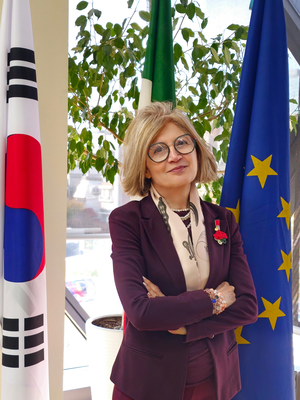
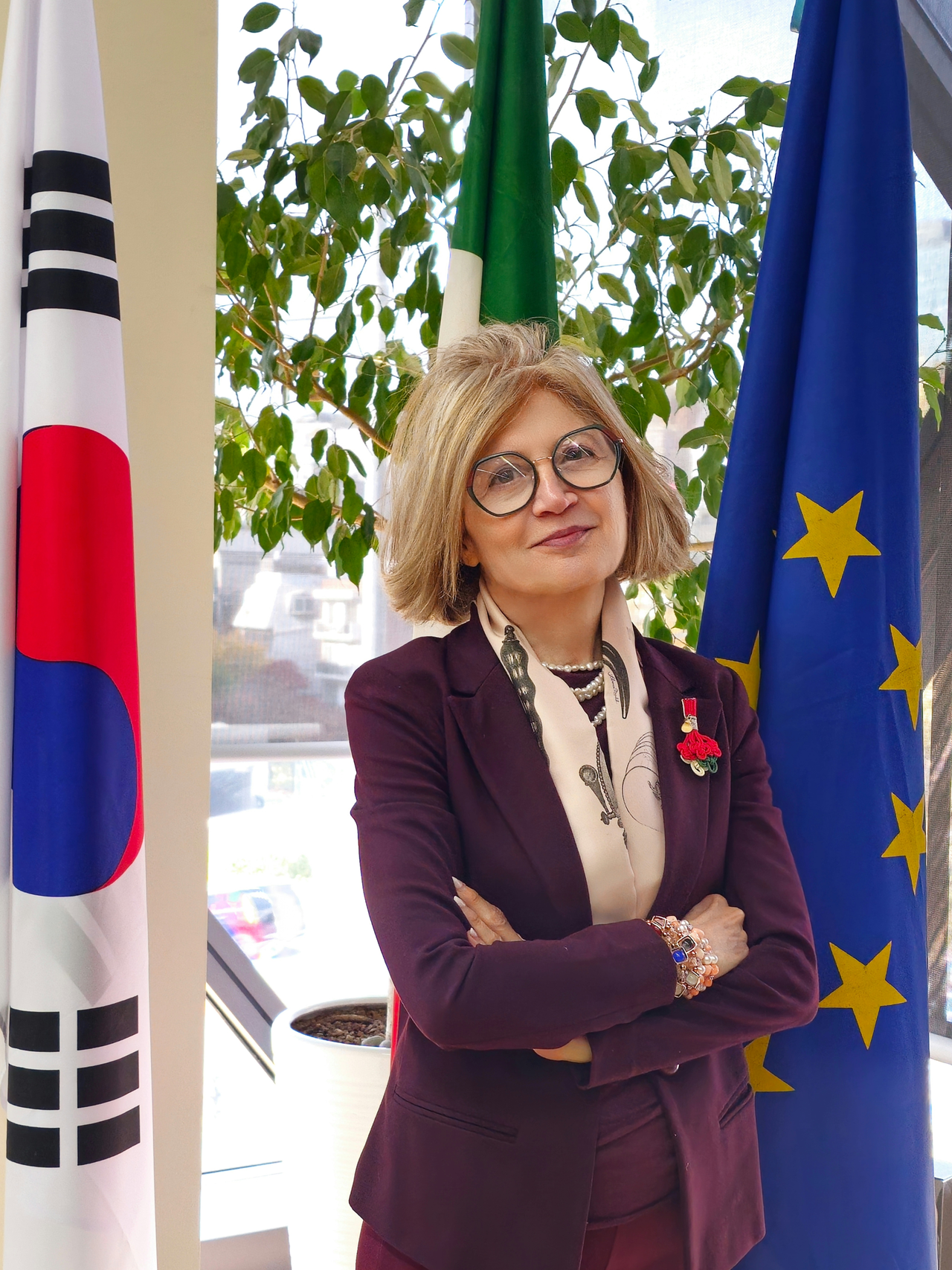
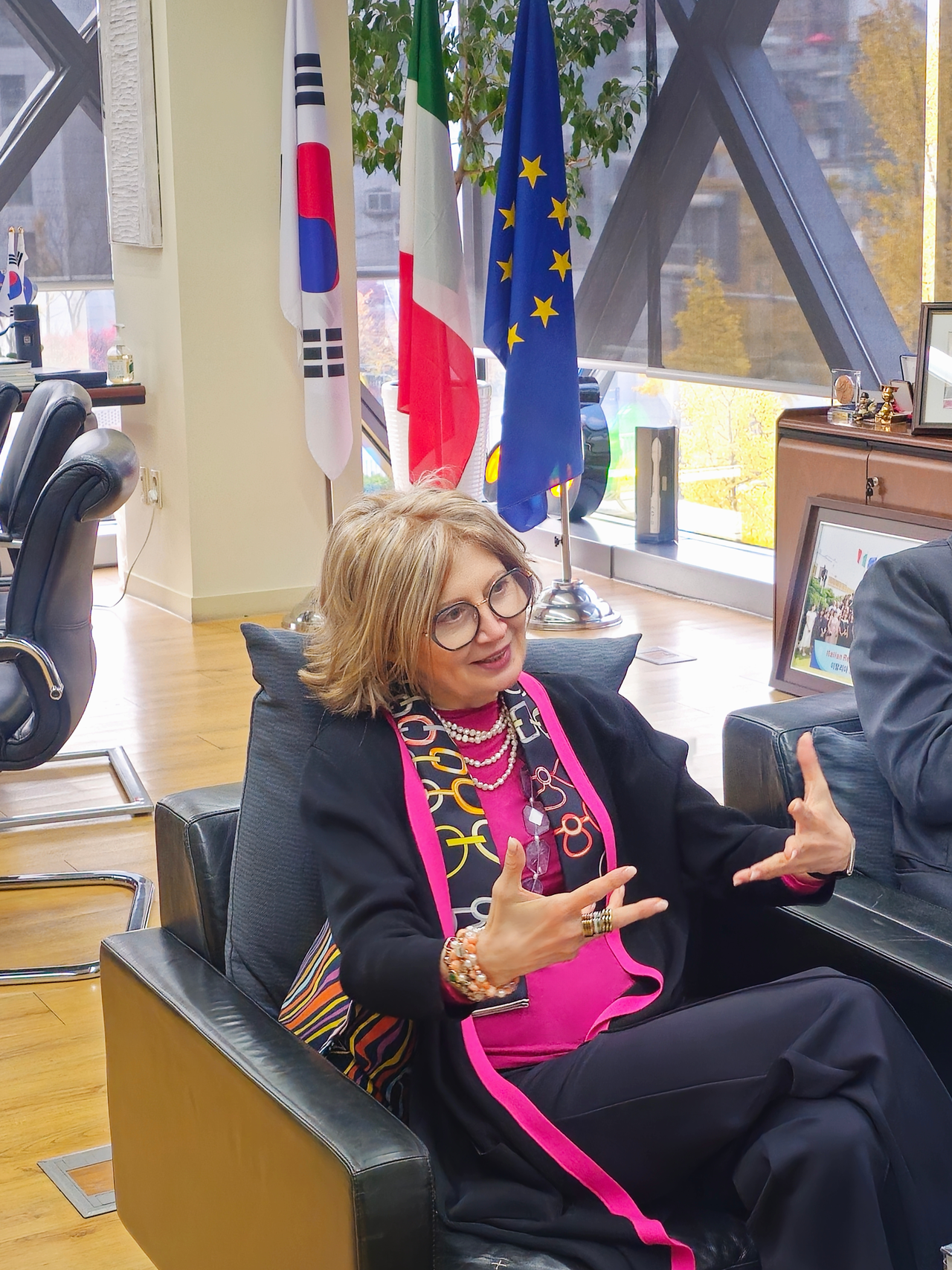
Korean and Italian culinary cultures share an understanding of food as an expression of care, from family meals to preserving food for the winter, according to Italian Ambassador to Korea Emilia Gatto.
“The tastes really are so different, but the concept is the same,” she said in an interview with The Korea Herald ahead of events in Seoul this month for the Week of Italian Cuisine in the World.
For Gatto, one example comes from childhood weekends spent preparing tomatoes for winter. Her family bought large quantities at an open-air market in Rome, boiled and peeled them, then bottled them with basil and olive oil.
She compared that to "kimjang," the collective effort of making kimchi: family members working together to preserve seasonal ingredients for the months ahead.
Sunday lunches at her grandmother’s home offered another example. Preparations began early, with homemade fettuccine hung out to dry and tomato sauce with meat simmering hours before the family gathered.
Her grandmother’s insistence that everyone eat more was an expression of affection, Gatto said. She saw a parallel in the Korean greeting “Have you eaten?” and Italians’ habit of inviting people to share a meal.
Both food cultures, she said, value regional produce and cooking knowledge passed down through families.
That emphasis on shared meals and inherited skills also helps explain Italian cooking’s inclusion on UNESCO’s Representative List of the Intangible Cultural Heritage of Humanity in 2025.
Inscribed as “Italian cooking, between sustainability and biocultural diversity,” it recognizes a social and cultural practice involving food preparation, avoiding waste and passing knowledge between generations.
Kimjang, Korea’s tradition of making and sharing kimchi, was added to UNESCO’s intangible cultural heritage list in 2013. The recognition highlights communal preparation and sharing, giving the two countries another connection through food heritage.
Gatto said this year’s Italian Food Week would highlight Italian cooking’s UNESCO recognition, with programs exploring the traditions behind the dishes.
Culinary exchanges in Seoul
One encounter will bring Korean Buddhist temple food and Italian Catholic monastic cooking together in Seoul on Nov. 20. The invitation-only event organized by the Italian Cultural Institute and the Cultural Corps of Korean Buddhism will feature cooking demonstrations and discussions about food, communal meals and hospitality in religious life.
Gyeongun, a Korean temple-food master, will prepare dishes using seasonal ingredients, while two Benedictine nuns from Italy’s Sant’Anna monastery will demonstrate dishes from their own tradition.
Gatto, who described herself as a fan of Korean temple food, said she saw similarities in the emphasis on vegetables, simplicity and respect for ingredients.
A separate event that morning, organized with the Korean Food Promotion Institute, will examine how the nuns preserve seasonal produce for their community’s table.
Burrata, Caponata and pickled cucumbers for Koreans
For Korean diners interested in exploring Italian food further, Gatto suggested looking beyond familiar dishes to regional cheeses, preserved vegetables and extra virgin olive oil.
Burrata had already become familiar in Korean restaurants, she said.
Caponata, a Sicilian eggplant dish, could be served alongside Korean cuisine as a side dish, while Italian pickled cucumbers might complement fried chicken.
Cooking classes and tastings introduce those foods and explain how they are made.
Gatto said the program would include a Nov. 24 cheese masterclass featuring some six varieties of cheese and a masterclass for Korean culinary students led by chef Daniele Lippi on Thursday.
Italian-sounding products
Meanwhile, Gatto also raised concerns about “Italian-sounding” products, which use Italian names or imagery without necessarily originating in Italy.
She pointed to tastings and cooking classes as ways to help consumers understand Italian ingredients and traditions.
For restaurants, she cited Ospitalita Italiana, a certification program that assesses Italian culinary and hospitality standards abroad.
Exchanges between chefs, schools, producers and restaurants could also encourage new combinations, she said, pointing to Italian wines paired with Korean food.
“Sharing a meal is a gesture of friendship and care,” she said.
sanjaykumar@heraldcorp.com