Dean Noh Yoo-sun says new Global Talent Division could help make a multinational campus part of everyday life at SNU
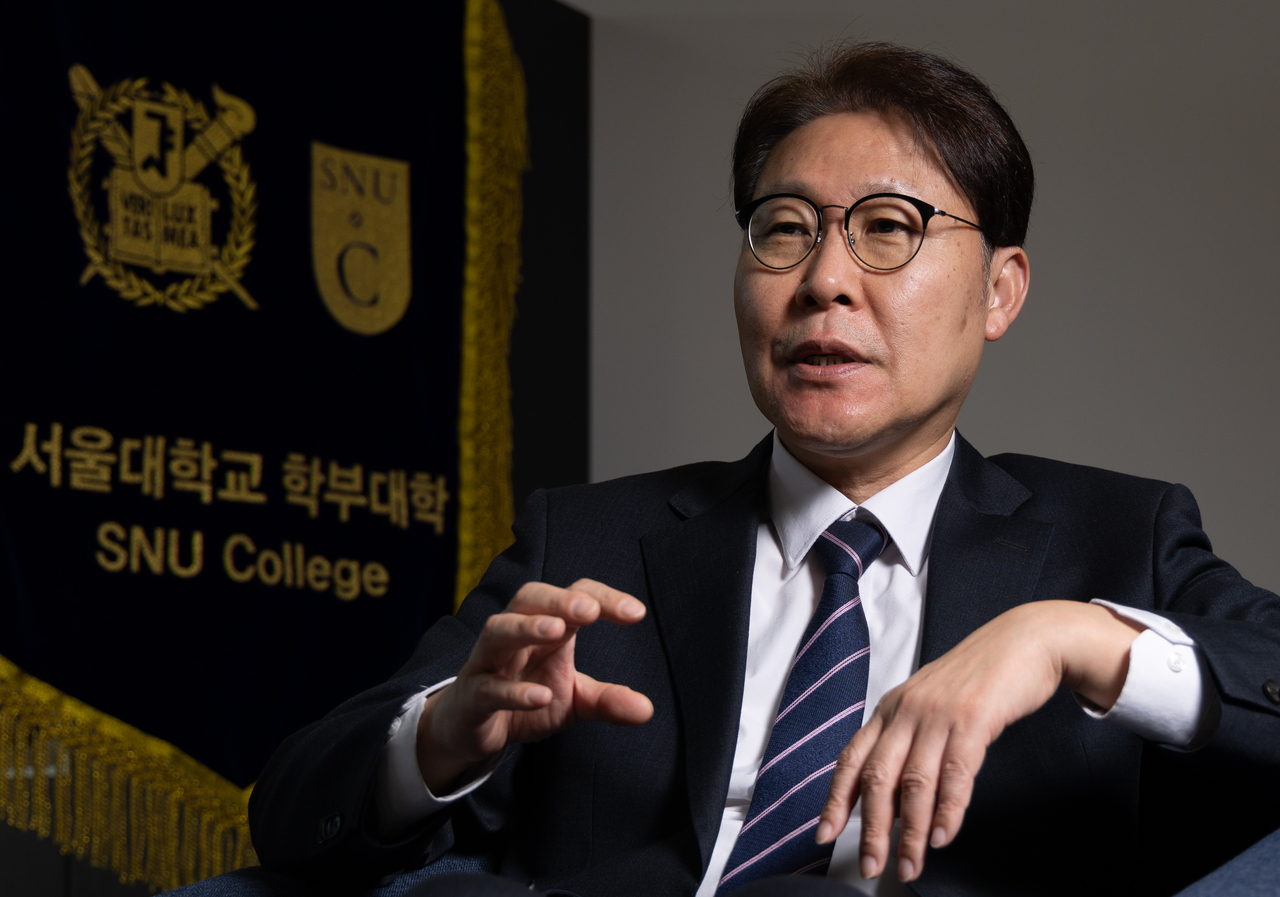
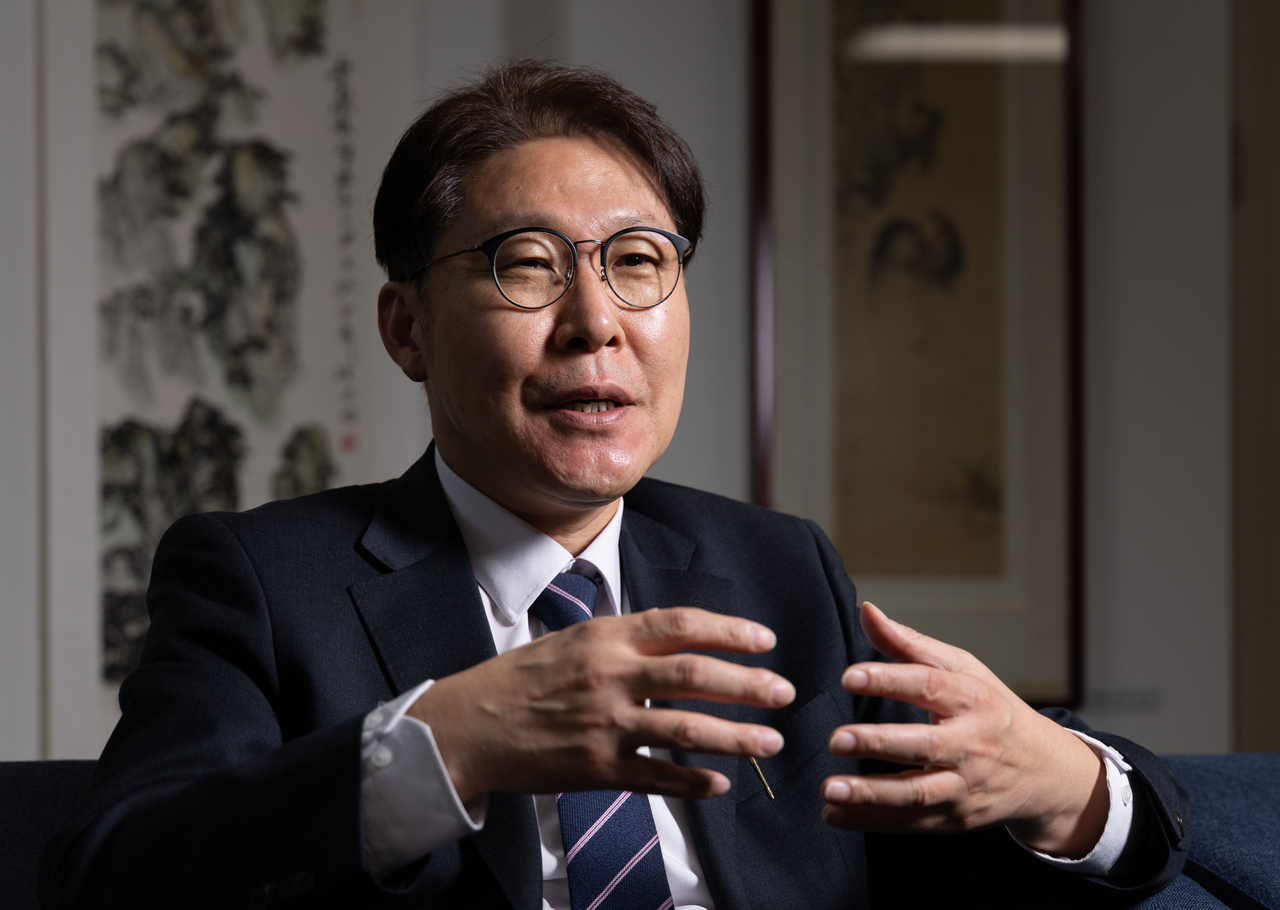
Seoul National University has long sent its students around the world. Now, SNU College Dean Noh Yoo-sun says the university needs to bring more of the world onto its own campus.
For Noh, who is overseeing preparations for SNU's first undergraduate division dedicated exclusively to international students, the challenge is not simply improving the university's global profile. It is creating an environment where Korean students encounter different nationalities, cultures and perspectives as a normal part of university life.
"We have an environment in which only a small proportion of our students are international," Noh told The Korea Herald. "That means our students have relatively few opportunities to be naturally exposed to a multinational and multicultural environment and deepen their understanding of it."
SNU students can already study abroad through exchange programs and short-term overseas programs, he noted. But such opportunities inevitably reach only part of the student body.
That thinking lies behind the Global Talent Division, scheduled to welcome its first students in September 2027.
"Without substantially increasing the number of international members in the university community, it is difficult to realize genuine internationalization and grow into a truly world-class university," Noh said.
He described the new division as an effort to turn something SNU has talked about for years — internationalization — into a more visible part of the university's basic structure.
SNU steps up global push
The Global Talent Division comes as SNU undertakes a broader overhaul of its approach to internationalization.
In January, the university expanded and reorganized its former Office of International Affairs into the Office of Global Affairs, widening its role in global strategy, partnerships and support for international members of the university.
The move forms part of President Ryu Hong-lim's broader push to make internationalization a more fundamental part of SNU's education and research.
For Noh, one of SNU's biggest remaining challenges is the relatively small number of international students, particularly at the undergraduate level.
The issue, Noh said, shows up in global university rankings. While SNU consistently ranks among the world's leading universities overall, Noh noted that its scores on indicators related to international students and faculty trail its academic and research standing.
But he stressed that the issue goes beyond rankings.
"If SNU truly wants to internationalize, the first thing it has to do is become more proactive in accepting international students," Noh said.
His logic is that students can become a catalyst for broader institutional change.
As the international student population grows, more faculty will become involved in educating them, departments will need to adapt, and administrative and student-support systems will have to expand.
"The fundamental driving force for internationalization starts with actively bringing in students," he said.
From that perspective, Noh sees the Global Talent Division as potentially becoming "one of the most central pillars" of SNU's internationalization strategy over the medium and long term.
Integration, not separation
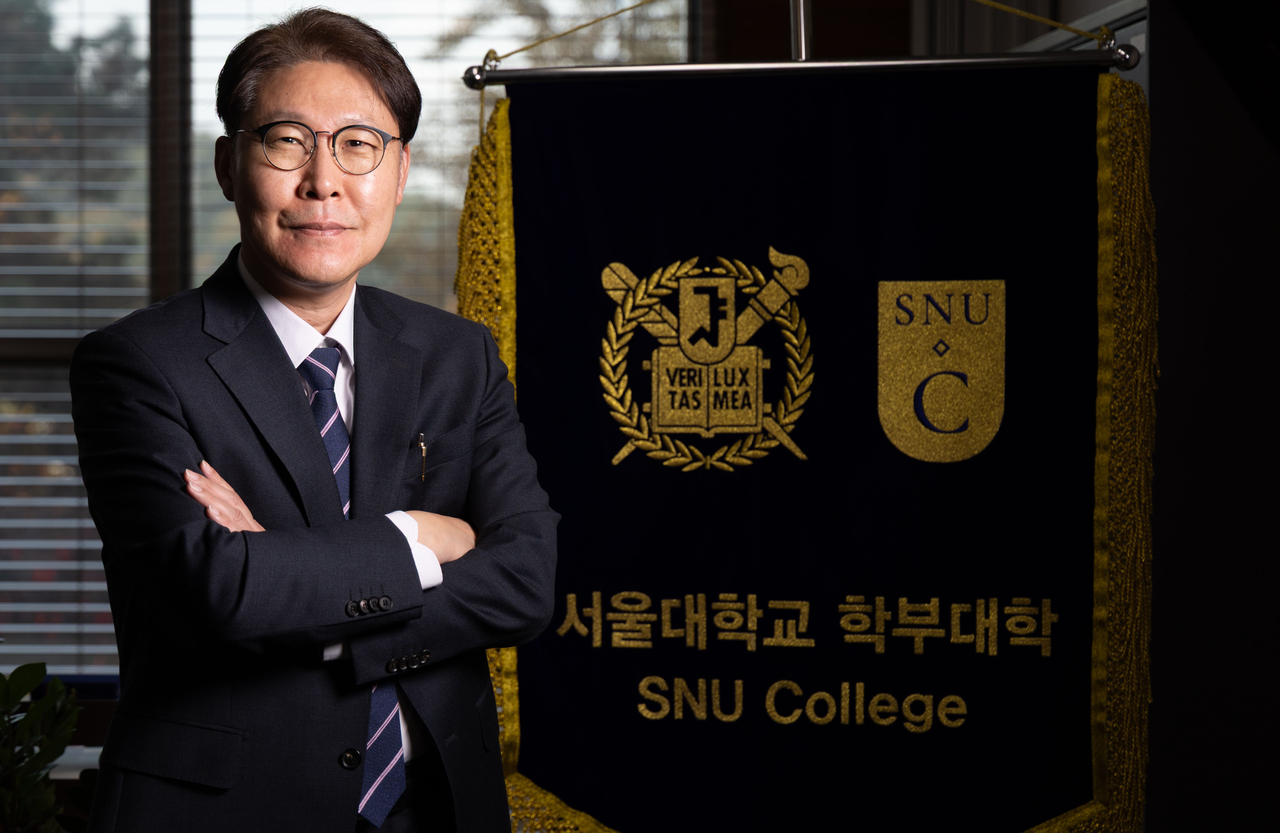
The structure of the new division reflects that goal.
Unlike an English-only college where international students remain in a separate academic unit through graduation, the Global Talent Division is being designed as a bridge into the wider university.
Students will enter without declaring a major and spend two to three semesters building the academic and Korean-language skills needed to study in SNU's regular degree programs.
They will then move into eligible majors across 10 colleges and study alongside Korean students, though professional fields tied to national licensing requirements — including medicine, dentistry, nursing, pharmacy, veterinary medicine and teacher education — will be excluded.
"It is not a separation model," Noh said. "Ultimately, it is an integration model."
Rather than worrying that international students will remain isolated within the new division, Noh said the bigger challenge is ensuring that individual departments are ready to accommodate them once they move into their majors.
"The real question is whether, once they are integrated, each department can accommodate, support and educate them well enough that they do not feel disadvantaged," he said.
Students will have to meet Korean-language and other academic requirements before moving into a major. But SNU is not currently planning a second competitive selection process at the departmental level.
Once students meet the required qualifications, the university intends to preserve their freedom to choose among eligible majors.
Competing for top global students
Noh stressed that SNU's goal is not simply to increase foreign enrollment.
Nor, he said, does the university view international students primarily as a source of tuition revenue.
"We are very clearly trying to recruit outstanding, top-tier students," he said.
The ambition is to select students with the academic ability and potential to eventually study alongside SNU's domestic students without difficulty.
But preparations for the division have also exposed weaknesses in SNU's existing system for recruiting and supporting such students.
Noh acknowledged that the university needs to strengthen everything from international recruitment and Korean-language education to scholarships, housing and day-to-day student support.
Attracting highly sought-after students requires universities to offer more than admission, he said.
Scholarship packages, access to housing and the quality of administrative and academic support can all influence where a student ultimately chooses to enroll.
SNU is therefore planning more proactive overseas recruitment. This winter, a delegaton of deans are expected to visit five gifted high schools in Vietnam, while SNU College, the admissions office and the Office of Global Affairs are preparing to expand participation in overseas admissions events.
Noh said the university was also considering inviting foreign high school students to future summer programs so they can experience SNU before deciding whether to apply.
The inaugural class is expected to remain relatively small.
There will be no fixed quota, and the final number will depend on both the applicant pool and how many applicants SNU considers qualified. Noh said the university is provisionally expecting a cohort of roughly 35 students.
Starting small, he said, reflects the reality that SNU is still building the systems necessary to educate and support larger numbers.
But he expects the division to expand if its first students settle successfully and the supporting infrastructure improves.
Building a pathway into SNU
For the students who do arrive, the first two to three semesters will function as an "incubation" period before they enter their majors.
SNU is designing customized foundational courses and plans to substantially strengthen Korean-language education.
Students will initially be able to study primarily in English while simultaneously developing the Korean proficiency needed to participate in regular major courses and university life.
They will also receive one-on-one peer tutoring intended to support both language development and academic adjustment.
Noh sees that combination as one of the division's key strengths.
Rather than requiring students to arrive already capable of completing a Korean-medium degree, or placing them in an English-only track throughout university, SNU wants to give them time to develop both academically and linguistically before integrating them into regular departments.
The university is also recruiting faculty in global Korean studies and Korean-language education to support the new division.
Noh said the aim was to build a more sophisticated system of education and support around international students than SNU has traditionally had.
"Students will initially have opportunities to learn in English, but at the same time we want them to significantly build their Korean ability through intensive education," he said.
In the long term, he believes that will allow students to participate more fully not only in SNU, but also in Korean society and culture.
Making the campus match SNU's global standing
For Noh, the areal significance of the Global Talent Division lies in what could happen beyond the division itself.
SNU already has global recognition, a strong research reputation and extensive overseas academic networks.
What he wants to strengthen is the international environment students encounter every day on the Gwanak campus.
If more international students enter SNU's regular majors, departments will have to become better equipped to teach and support them. Stronger support systems can then make SNU more attractive to the next generation of applicants.
And as the international population grows, Korean students gain more opportunities to encounter different languages, cultures and perspectives without having to go abroad.
Noh sees that cycle as a way for internationalization to become embedded in the university rather than remaining a collection of overseas programs or institutional agreements.
For prospective international students, he said SNU's strongest attraction remains straightforward: The opportunity to study at one of Korea's leading universities alongside some of the country's strongest students and researchers.
But the Global Talent Division is intended to add a clearer pathway into that environment — beginning with English-language education and intensive Korean training, followed by integration into the university's regular academic community.
That, Noh believes, can ultimately change SNU for both international and Korean students.
The new division may begin with only a few dozen students, but he sees it as an "important first step" toward making internationalization something students experience simply by being at SNU.
seungku99@heraldcorp.com