Korea's ODM giants move beyond contract manufacturing at home to become global development partners for global beauty brands
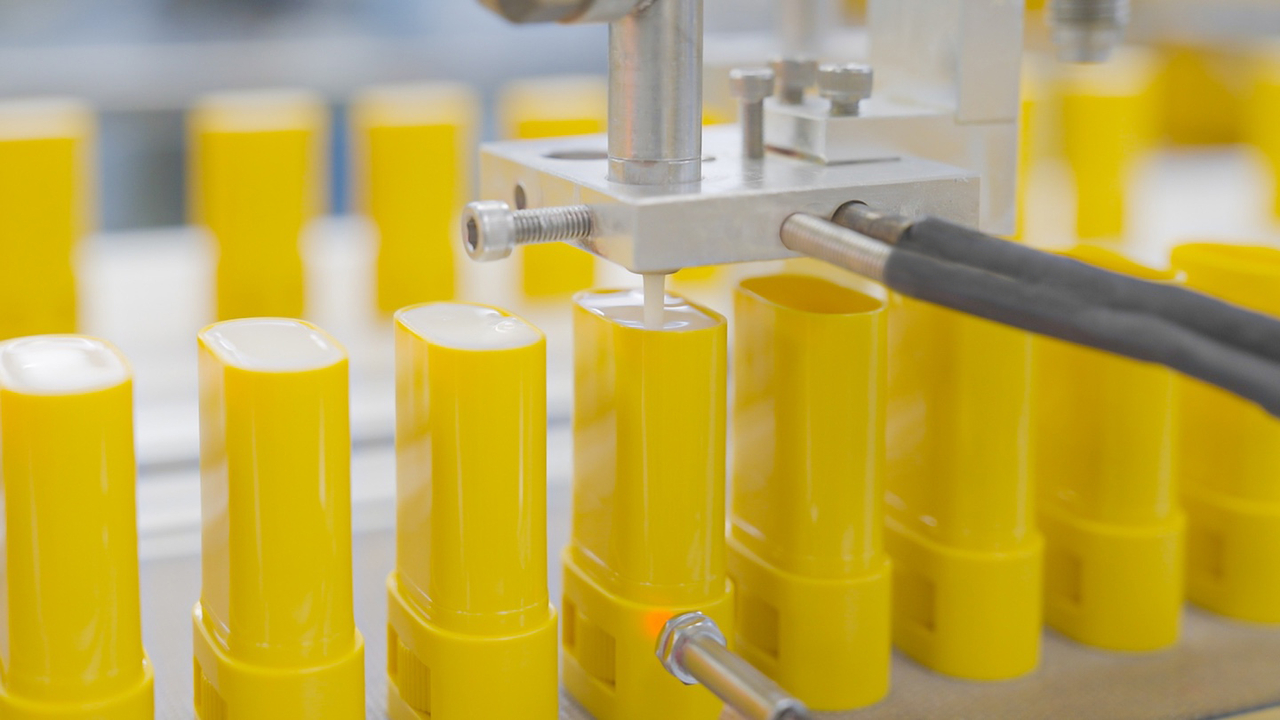
A Korean sunscreen, a moisturizer or a serum promising better skin may have something in common, even if their packaging carries completely different brand names: They might have come from the same factory.
Behind the growing assortment of Korean beauty products finding their way onto shelves in New York, Paris and Tokyo are manufacturers that most consumers may never have heard of.
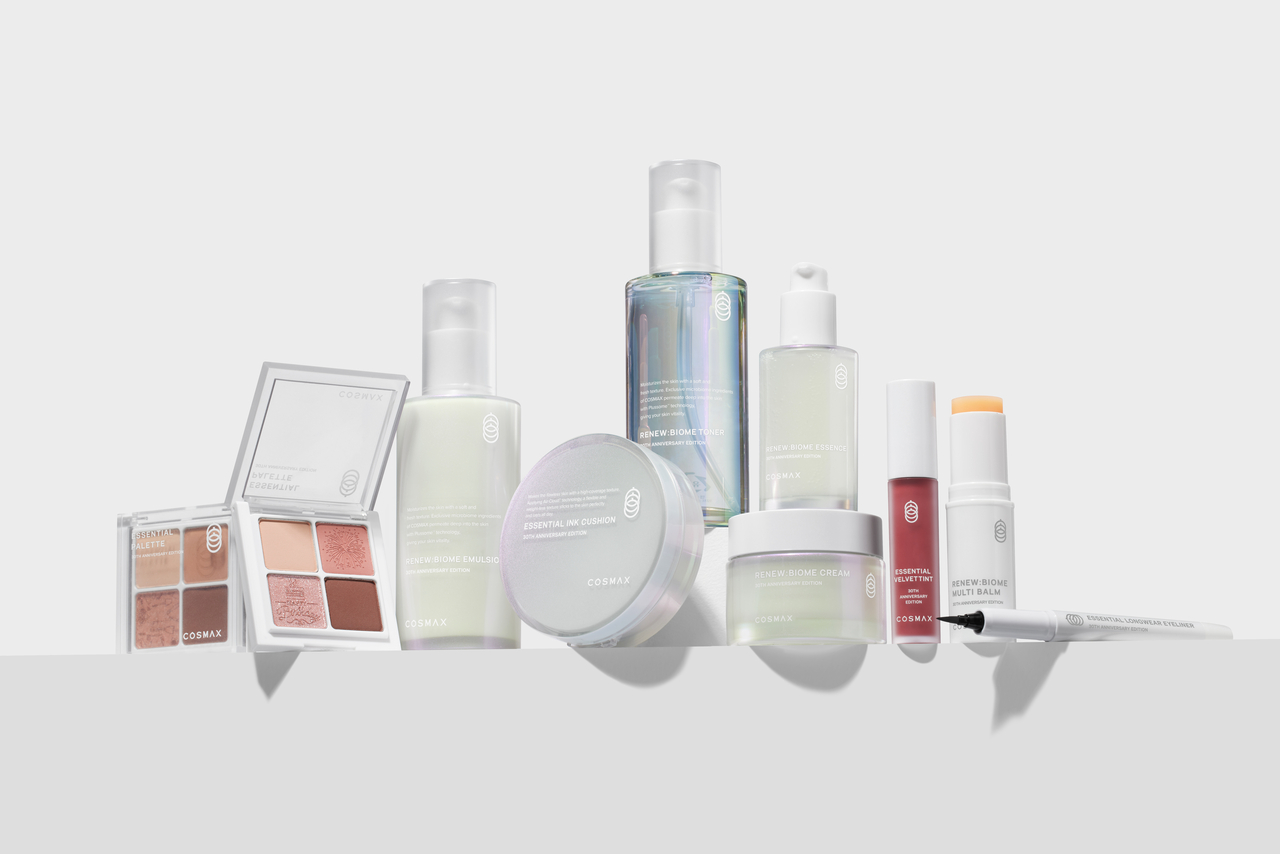
While brands compete for attention on social media, e-commerce platforms and beauty store shelves, Korea’s original development manufacturers, or ODMs, such as Kolmar Korea and Cosmax are busy developing formulas, filling bottles and shipping products to markets around the world.
The arrangement has become one of the defining features of K-beauty's latest global surge. Rather than relying solely on a handful of household names, Korea's cosmetics industry is drawing strength from a network of nimble, independent brands and specialized manufacturers capable of turning an idea into a market-ready product in a relatively short time.
Korea's cosmetics exports reached a record $11.1 billion in the first nine months of this year, up 31.1 percent from a year earlier, according to the Ministry of Food and Drug Safety. The figure nearly matched the country's full-year record of $11.4 billion set last year with three months still remaining.
The United States was the largest destination, accounting for $2.35 billion, followed by China at $1.58 billion and Japan at $890 million. The export map reflects how K-beauty has moved beyond its traditional Asian strongholds to reach a broader international audience.
Brands get a boost from manufacturers
The rise of independent beauty labels has helped reshape the way cosmetics reach consumers.
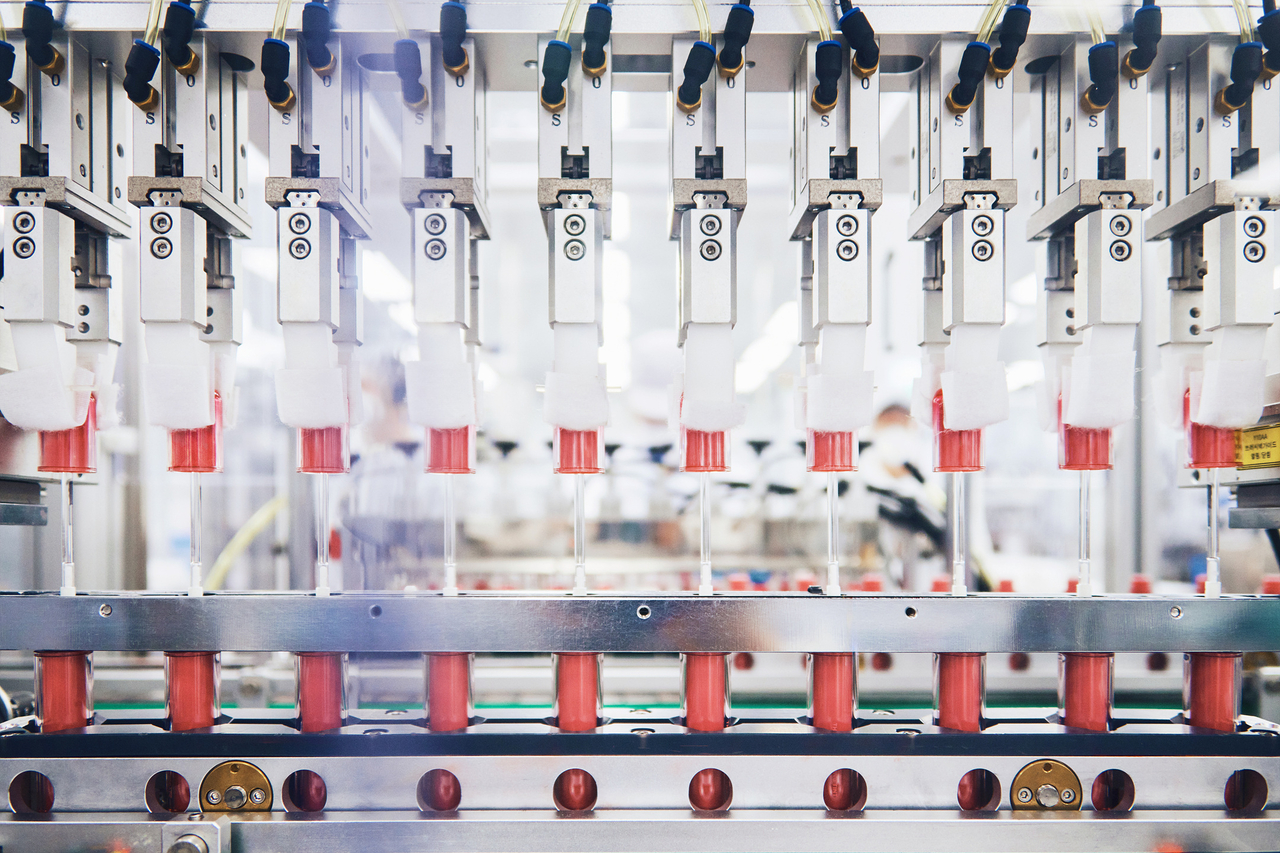
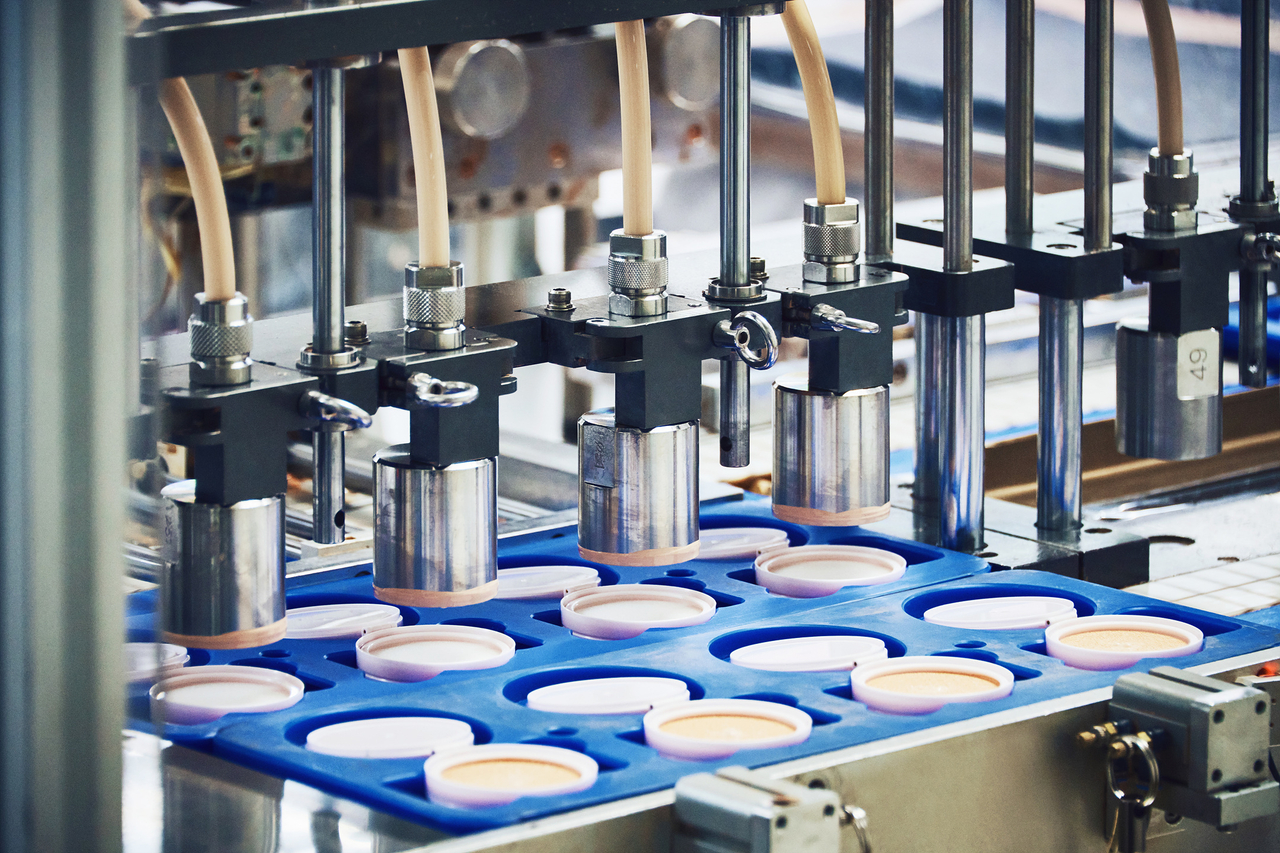
Rather than investing in their own factories and research facilities, emerging brands can outsource product development and manufacturing to ODMs. These companies do more than produce goods according to a client's specifications: They develop formulations, select ingredients and oversee the process of turning concepts into finished products.
This model has lowered the barriers to entry for emerging brands, allowing them to respond quickly to trends without having to own a factory or maintain a large research team.
Brands such as Beauty of Joseon, Round Lab, Anua and Medicube have helped introduce Korean products to international consumers while the ODM companies behind the scenes can work with multiple labels rather than depending on the fortunes of a single brand.
The latest earnings from Korea’s leading ODMs illustrate the scale of the rapid growth.
Cosmax reported third-quarter consolidated revenue of 875.8 billion won ($657.5 million), up 49.5 percent from a year earlier, while operating profit climbed 94.9 percent to 83.3 billion won, setting new quarterly records for both figures.
Kolmar Korea also posted record quarterly results, with revenue rising 21.3 percent to 828.2 billion won and operating profit jumping 40.5 percent to 81.9 billion won.
Bigger ambitions
The growing order books are pushing manufacturers to rethink their production networks.
Kolmar Korea plans to invest 173.3 billion won in a new basic-skincare manufacturing facility in Sejong with completion targeted for 2028. The investment underscores the continued importance of domestic production, where manufacturers can draw on Korea's established network of ingredient suppliers, packaging companies and research personnel.
Cosmax, meanwhile, is pursuing a broader overseas manufacturing strategy. In February this year, it agreed to acquire a 51 percent stake in Italian cosmetics manufacturer Keminova, securing its first European production base. The Italian facility has an annual production capacity of approximately 20 million units, giving Cosmax a foothold closer to European customers.
The different approaches reflect a common goal: getting closer to customers while maintaining the manufacturing expertise that has helped make Korean ODM companies competitive.
Local production can shorten delivery times, reduce logistics expenses and make it easier to respond to market-specific preferences. It can also help manufacturers attract overseas brands that want products developed and produced locally.
Growing pains
The strong sales figures from Cosmax and Kolmar Korea do not mean that every manufacturer has been fully enjoying the spread of K-beauty.
Cosmecca Korea, another major domestic ODM player, reported third-quarter revenue of 247.5 billion won, up 35.7 percent, while operating profit edged up just 0.1 percent to 27.2 billion won.
The company said it faced higher outsourcing costs for filling and packaging as it coped with surging orders.
“When demand outpaces available production capacity, manufacturers are forced to rely on external contractors, and that puts pressure on margins,” an ODM industry official said.
“Another challenge is that overseas operations bring additional complications such as labor costs, regulatory requirements and the difficulty of securing enough local customers.”
Cosmax’s US subsidiary posted an 88.2 percent increase in third-quarter revenue to 69.5 billion won, supported by repeat orders and growing demand for skincare development. It recorded a second consecutive quarter of operating profit following a turnaround in the second quarter, although it remained in the red at the net-income level.
Kolmar Korea faces mounting pressure in North America, where low factory utilization and operating losses have weighed on its overseas business. Its US and Canadian plants operated at just 8.1 percent and 17.6 percent of capacity, respectively, in the third quarter. Despite US revenue more than doubling to 18 billion won, it still posted an operating loss of 3.8 billion won.
Still room for growth
NH Investment & Securities on Thursday projected in a report that Korean cosmetic exports will reach $17.8 billion next year to set a new record, predicting this year’s figure will hit $14.5 billion, which would be 32 percent higher than last year.
“K-beauty is gaining global market share on the back of products that keep pace with international trends, growing demand in the US and Europe driven by short lead times, and faster expansion into emerging markets such as the Middle East and Latin America,” the report said.
“Europe was particularly encouraging this year, with exports to the region surpassing those to North America for the first time.”
It added that as global retailers broaden their K-beauty offerings and new brands enter the market, the Korean cosmetics industry is expected to build a stronger foundation for sustained growth.
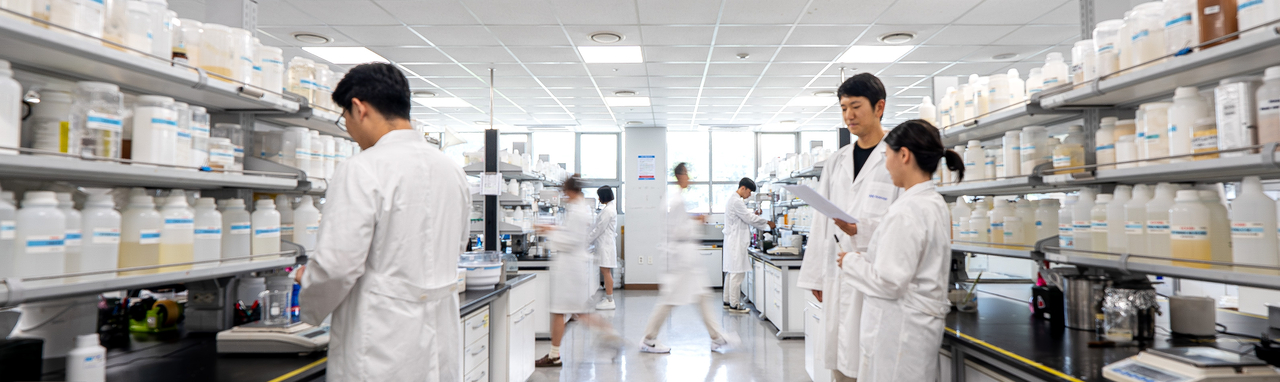
With the positive outlook, Korean ODMs are accelerating the adoption of artificial intelligence to improve research and product development as well as manufacturing efficiency as they look to continue strengthening their technological capabilities.
Kolmar Korea is using AI to optimize cosmetic formulations and predict ingredient safety, while Cosmax is applying AI to color matching, fragrance development and personalized beauty solutions.
hwkan@heraldcorp.com