Uzbek senate chair links diplomacy to jobs and trade; Korean scholars call for closer academic exchanges
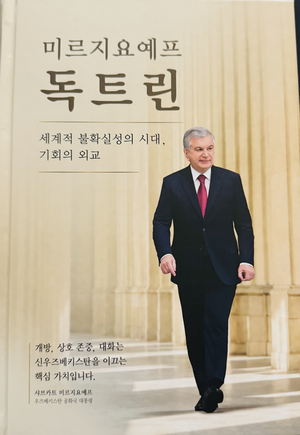
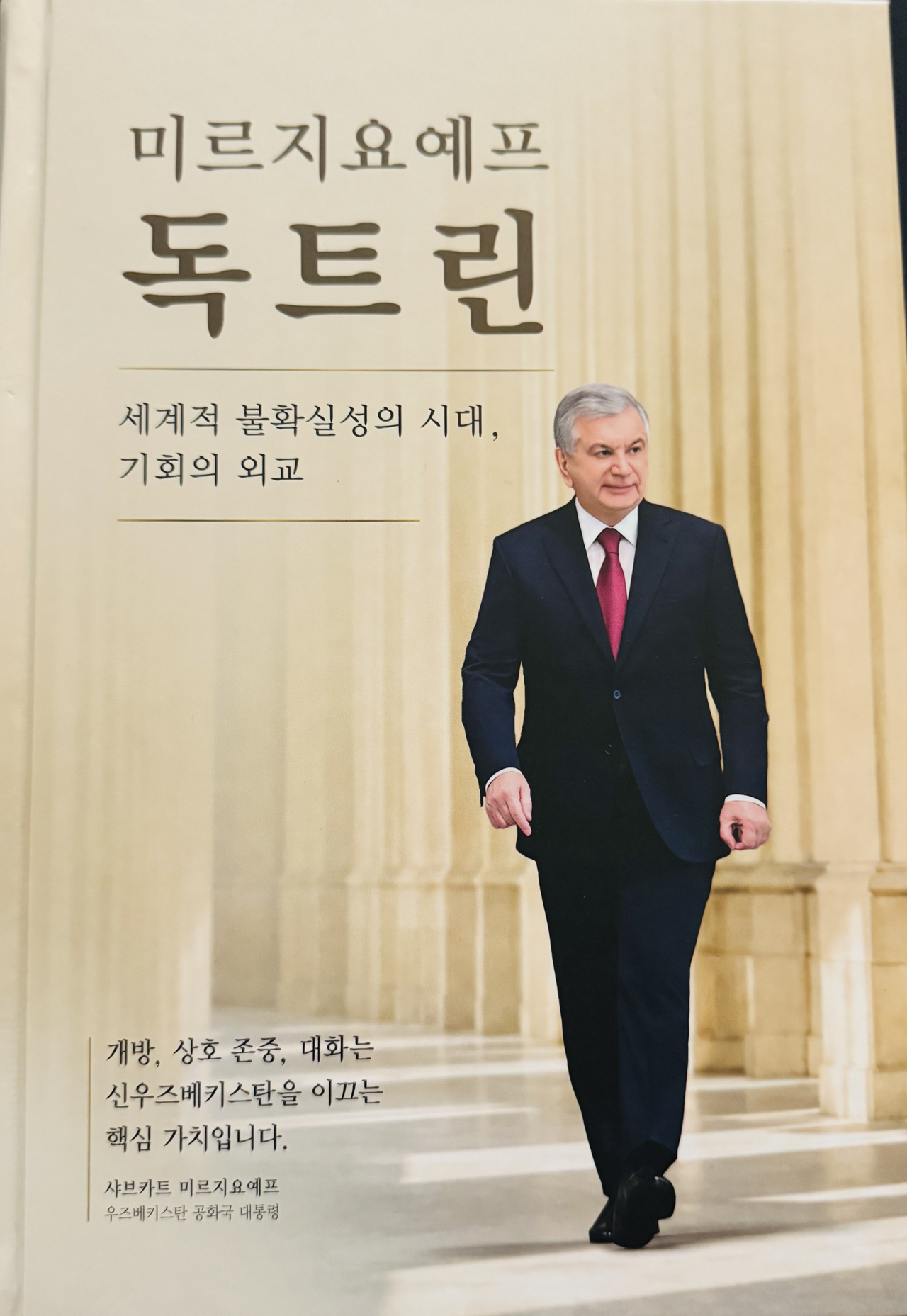
Uzbekistan’s Senate Chair Tanzila Norbaeva launched the Korean edition of “The Mirziyoyev Doctrine: A Diplomacy of Opportunity in an Era of Global Uncertainty” in Seoul on Tuesday.
The book examines President Shavkat Mirziyoyev’s approach to foreign relations and takes a broader look at Uzbek foreign policy and reform since he took office in 2016.
The approach centers on improving relations with neighboring countries, widening international partnerships, and using trade, investment and transport links to support domestic development. It also links foreign policy to domestic economic needs, making investment, technology and access to markets measures of its results.
The Korean publication introduces those policies to readers in a country Uzbekistan looks to for investment, industrial technology and training.
“Our foreign relations began to support the implementation of reforms at home,” Norbaeva said, underlining that technology, export markets and worker training had become central to Uzbekistan’s foreign policy.
She cited proposed projects worth nearly $12 billion prepared for Mirziyoyev’s state visit to South Korea in September, covering gas processing, car manufacturing, railways and airports.
Expanding Kia production in Jizzakh could generate orders for local suppliers, while cooperation with Hyundai Rotem could include train maintenance and parts production in Uzbekistan, Norbaeva said.
Norbaeva also referred to the 280-bed National Children’s Medical Center in Tashkent, which opened with Korean support. More than 100 doctors and nurses had received training in South Korea, she said.
According to Norbaeva, nearly 50,000 Uzbek citizens have worked in South Korea through the Employment Permit System since 2007. She identified vocational training, Korean-language instruction and workplace safety as priorities.
During her Seoul visit, Narbaeva met President Lee Jae Myung and pledged parliamentary support for implementing agreements from his September summit with Uzbek President Shavkat Mirziyoyev, covering critical minerals, AI, digital transformation and people-to-people exchanges.
Meanwhile, Korean scholars specializing in Central Asia said the book could help readers understand Uzbekistan’s foreign policy choices. They called for joint research, more translations, and exchanges between researchers and students to deepen understanding between both countries.
sanjaykumar@heraldcorp.com