Soaring costs drive budget smartphone makers toward recycled memory, while Samsung's scale offers a competitive edge
A brand-new smartphone sold next year could contain a memory chip recovered from a phone that someone else used for years.
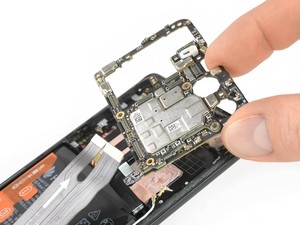
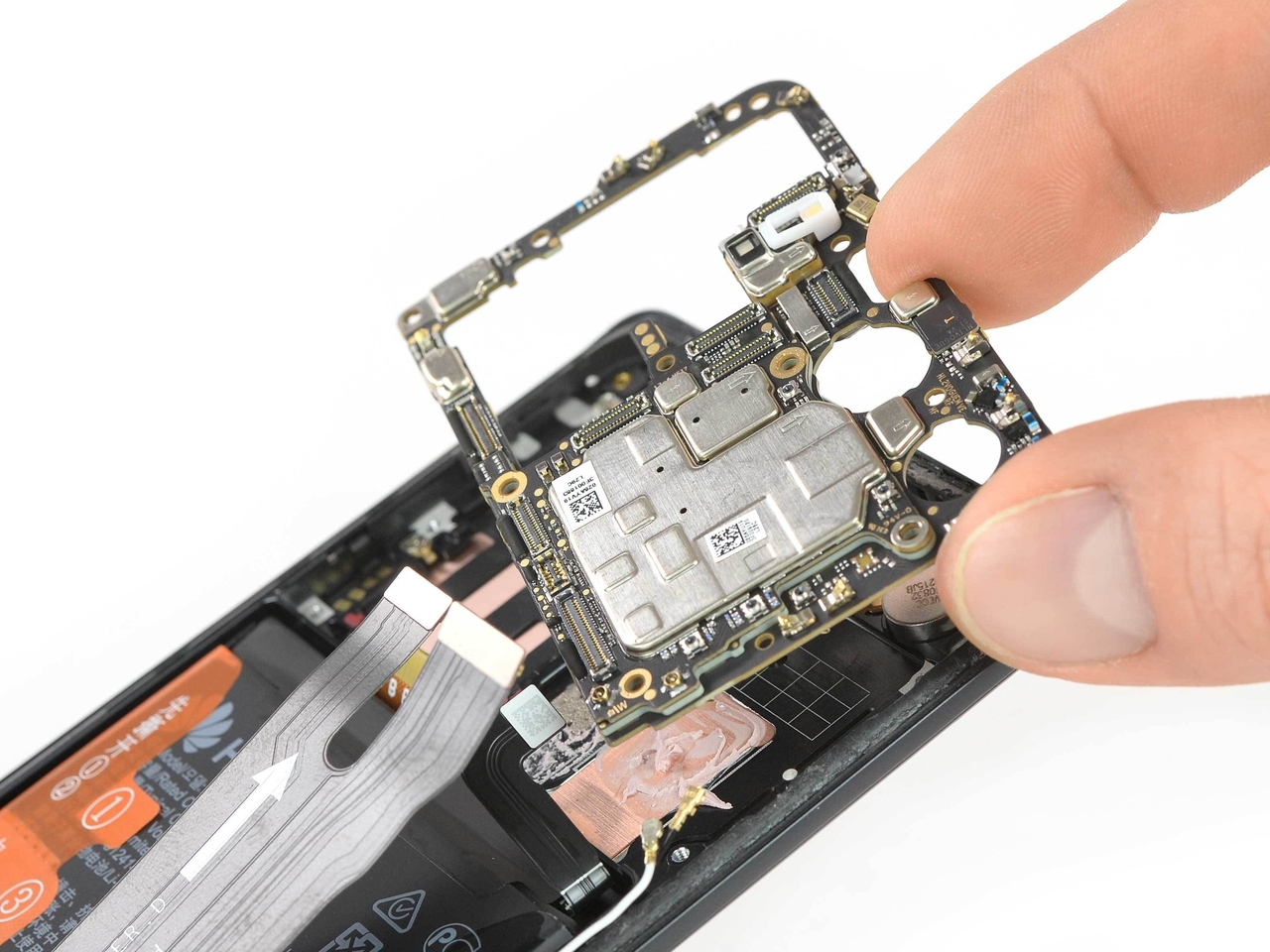
With memory prices soaring, some budget smartphone manufacturers are turning to secondhand chips to keep costs down. TrendForce said Friday that recycled, or "reballed," memory could be used in 7 to 9 percent of smartphones shipped in 2027, up from an estimated 3 to 4 percent this year.
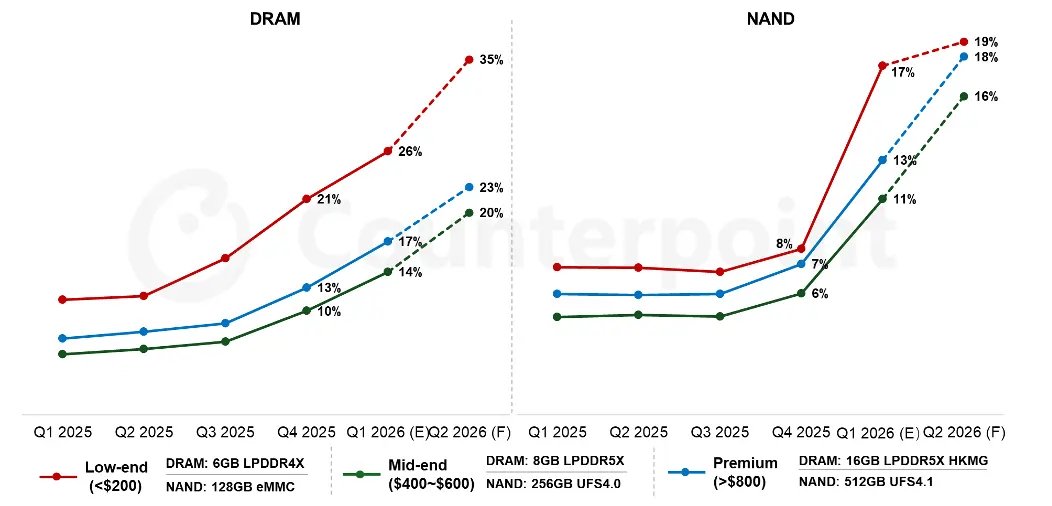
Most are 4GB LPDDR4X chips used in basic 4G smartphones priced below 1,299 yuan ($190) in China. Memory now accounts for 54 percent of a typical low-end smartphone's component costs, compared with just 20 percent in the third quarter of 2025, according to findings published Wednesday by Counterpoint Research analyst Jan Stryjak.
As Samsung Electronics and SK hynix prioritize lucrative AI and server memory, budget phone makers are struggling to secure even older DRAM chips, forcing them to raise prices, cut specifications or turn to used components.
Can used memory be trusted?
An LPDDR4X chip recovered from an old device can perform as well as a new one, but its reliability is harder to establish, according to an engineer at a South Korean semiconductor packaging and reliability-testing company who requested anonymity.
During reballing, chips are heated to detach them from circuit boards before new solder connections are fitted. The engineer said the heat can cause microscopic cracks or damage internal connections. Suppliers may also have little information about a chip's previous operating conditions.
"Just because a DRAM chip has been used for five years doesn't mean it only has five years left," he told The Korea Herald. "The problem is that you don't know what it's been through."
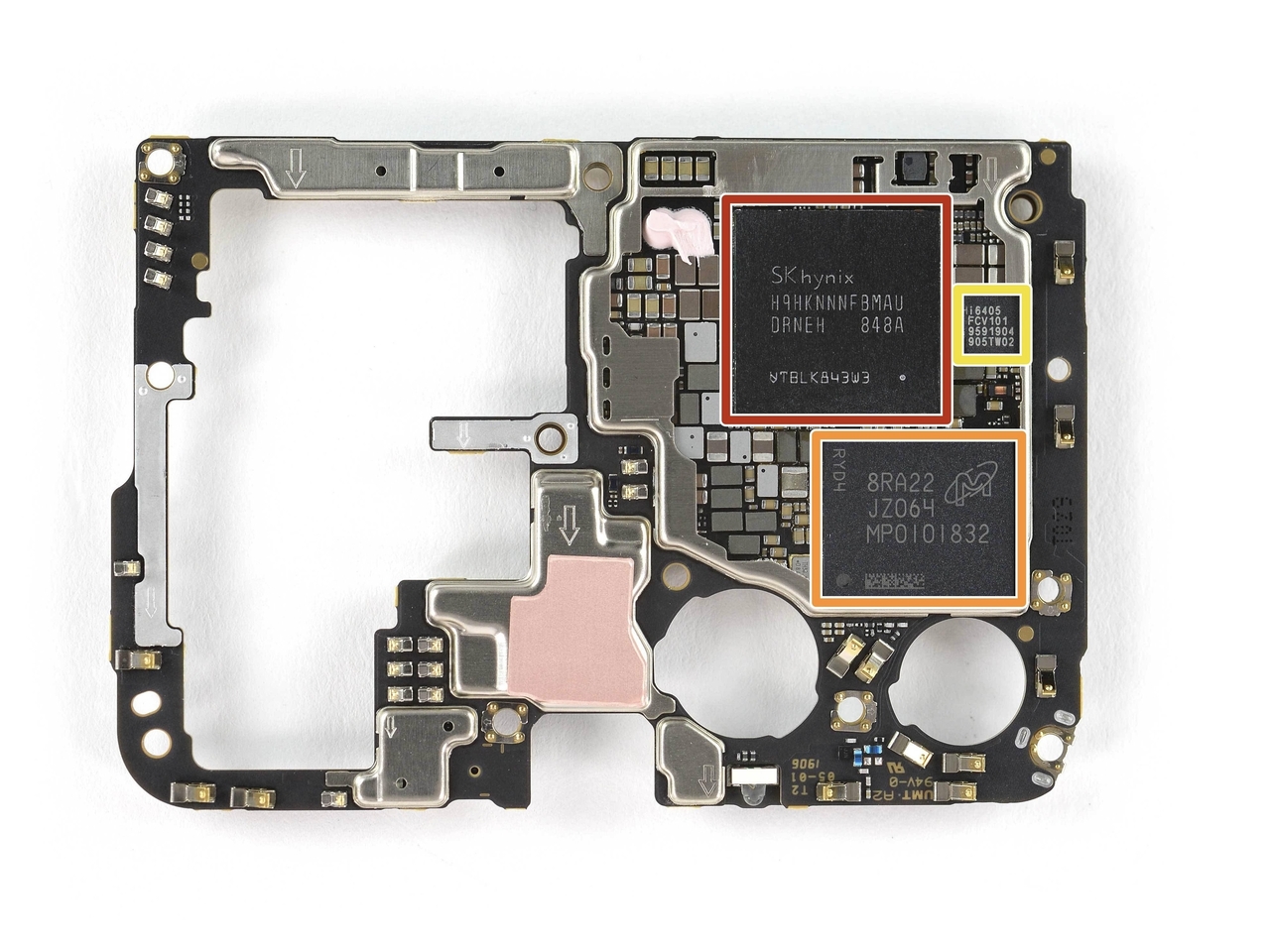
The engineer said checking whether a phone recognizes the chip is not enough. Reliability testing also requires checks for data retention at high temperatures, voltage stability, memory errors and solder-joint integrity.
For smartphone manufacturers, the challenge is securing enough recovered chips that meet consistent quality standards. Such testing also adds costs, reducing the savings from using secondhand memory.
"Saving a few dollars means little if you end up spending more on repairs and defective units," said Kim Rok-ho, a senior research analyst at Hana Securities.
TrendForce expects recycled chips to remain a small share of total mobile DRAM consumption next year, despite growing adoption.
Samsung's scale offers some protection
Global smartphone shipments fell 20 percent year-on-year in the third quarter, according to Counterpoint. But Samsung's shipments declined just 3 percent, lifting its market share to 23 percent.
"Stable component supply supported the mid-range A series in emerging markets as some Chinese brands reduced their presence," Counterpoint analyst Shilpi Jain wrote in a report published on Oct. 12.
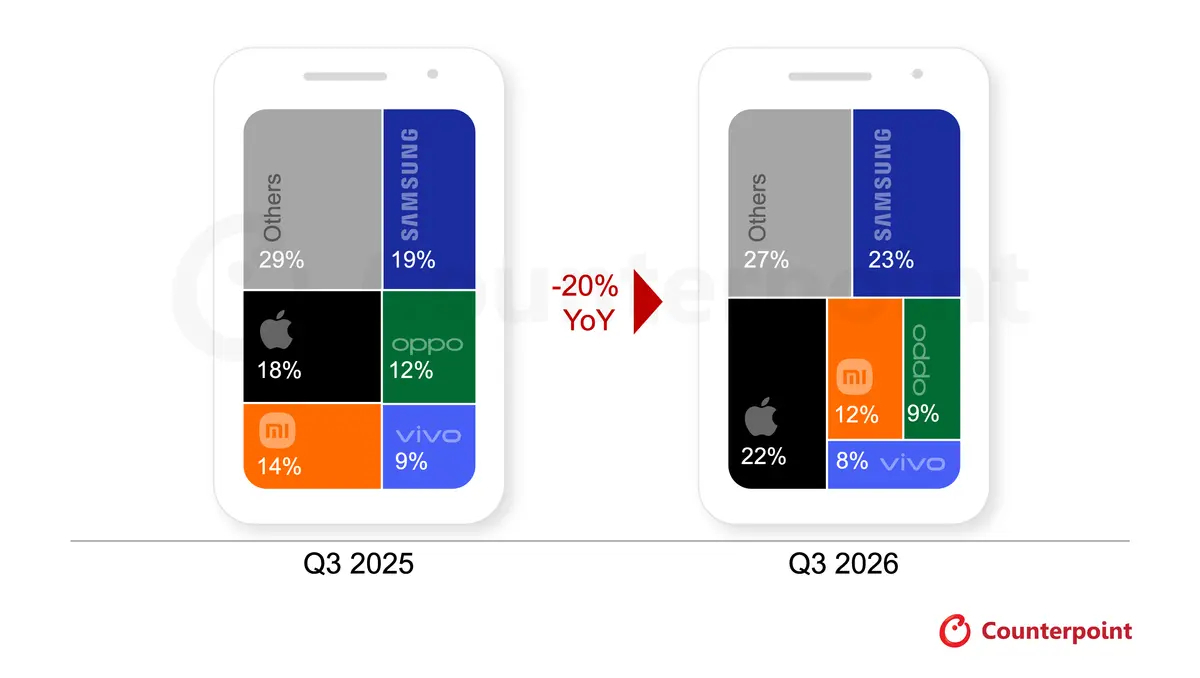
Samsung's purchasing scale, predictable production plans and longstanding supplier relationships could help it secure components when smaller manufacturers struggle, Kim said.
For competitors cutting production to protect their margins, the consequences may last beyond the shortage. "Scaling back shipments to protect margins carries long-term risks," Omdia analyst Lucas Zhong wrote in a report published on Oct. 15, warning that manufacturers could lose market presence that "may take years to rebuild."
Samsung's own memory production, however, does not guarantee cheaper chips for its smartphones. "The semiconductor business could sell the same memory to outside customers at higher prices," Kim said. "Making your own chips doesn't make the cost pressure disappear."
Samsung's latest earnings illustrate the strain. Its semiconductor division posted a record 106.5 trillion won ($79.8 billion) in operating profit in the third quarter, while its mobile and networks businesses recorded a 600 billion won operating loss despite stronger flagship sales. Samsung cited higher component costs as a factor.
"Samsung could accept lower margins to hold on to market share," Kim said. "But keeping its distribution network and brand presence intact could put it in a better position when the market recovers."
mjh@heraldcorp.com