Developed through more than 100 refinements, Kang Repair uses distinct mesh-free techniques for direct and indirect inguinal hernias
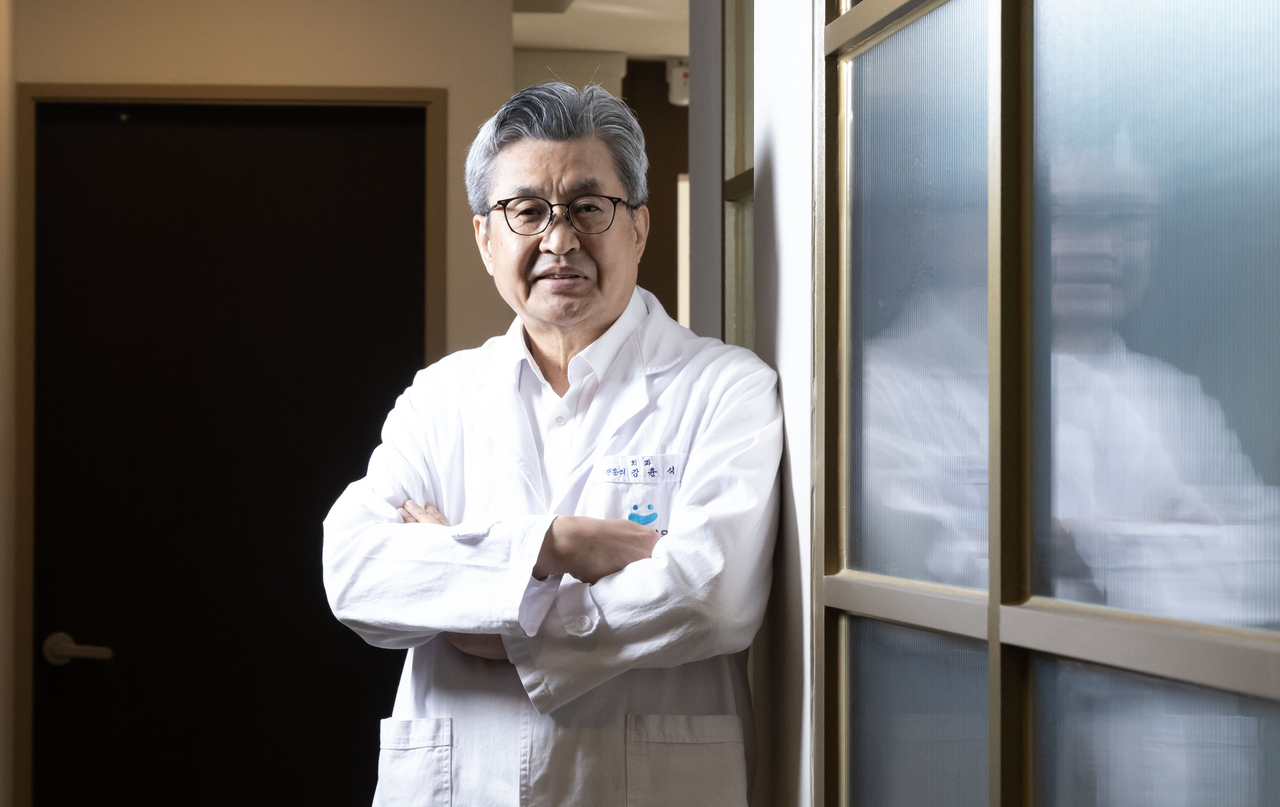
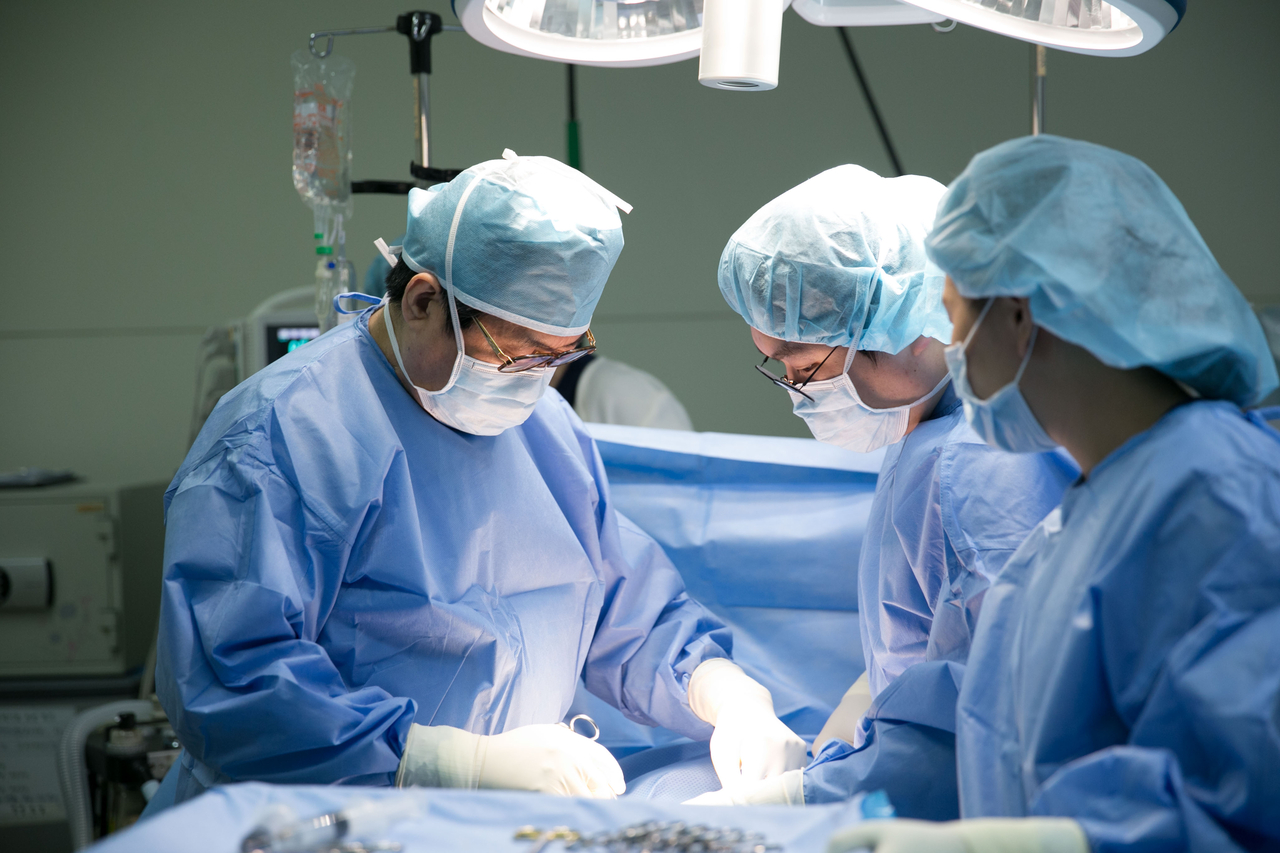
At Gibbeum Hospital in southern Seoul, surgeon Yoon-Sik Kang’s days revolve around the operating room. On his busiest days, he performs up to 15 operations, each lasting about 20 to 30 minutes.
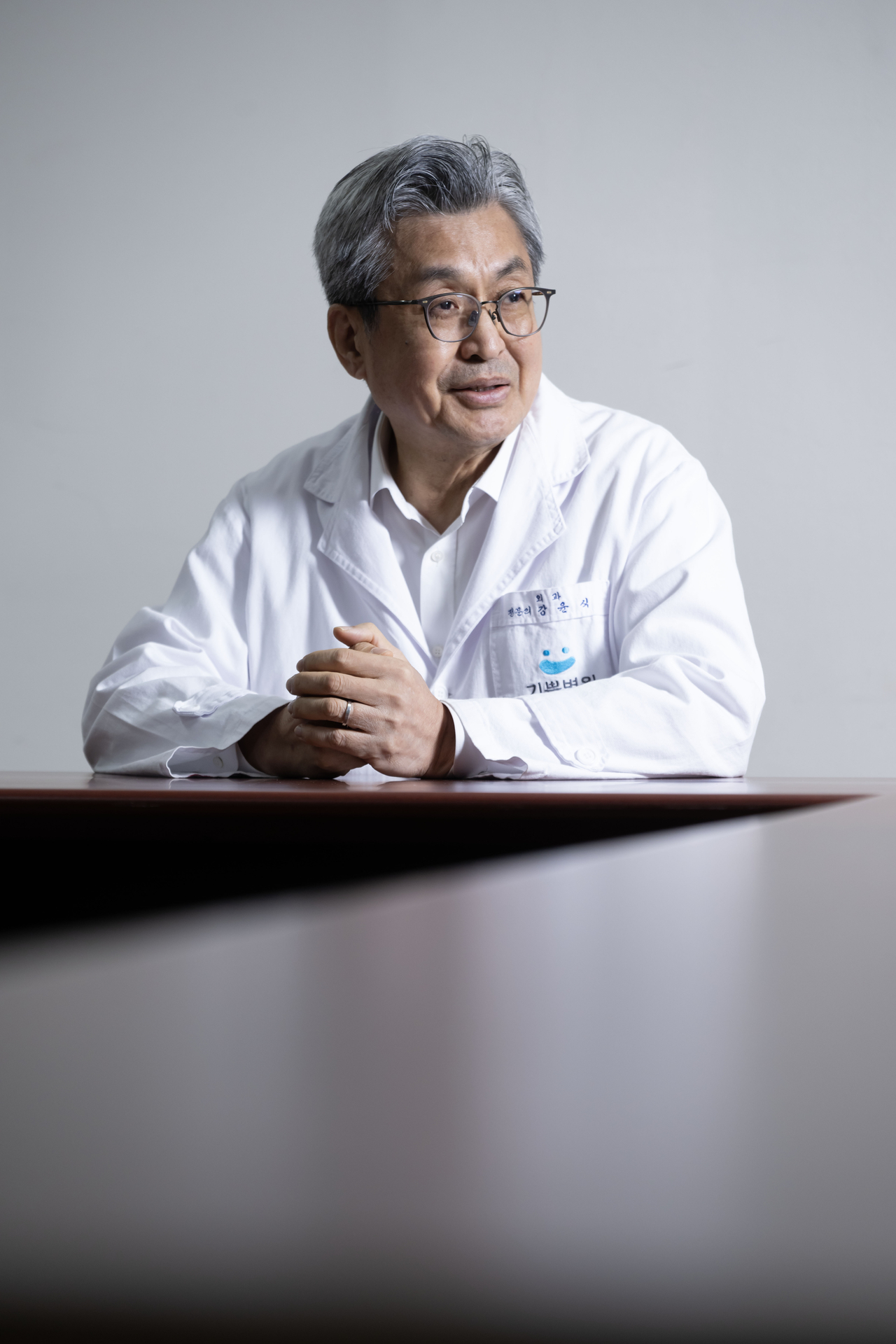
“The simpler and quicker the operation, the better, as surgery causes trauma to the patient’s body,” Kang said in an interview with The Korea Herald on Oct. 28.
The hospital’s president has spent much of his career treating conditions ranging from colorectal and anal diseases to hernias.
His focus on the latter led him to develop a mesh-free surgical technique known as “Kang Repair,” which has attracted patients from overseas seeking an alternative to conventional mesh treatment.
Finding a specialty
After qualifying as a surgeon in 1987, Kang worked at a hospital in Suwon, Gyeonggi Province, and then ran his own clinic there, performing a wide range of operations. He soon decided to concentrate on one field, believing that deeper experience in a narrower area would earn patients’ trust and leave room for research.
“I thought that if I focused on one field, I would gain more experience and become better at what I did,” he said.
He chose colorectal and anal diseases. In 1990, he opened a clinic in Seoul with two younger colleagues. The practice later grew into Daehang Hospital, where Kang served as chief director. He left in 2005 to establish Gibbeum Hospital.
Looking for another approach
Kang turned to hernias around 2000, when few hospitals focused specifically on the condition.
A hernia occurs when an organ or fatty tissue pushes through a weak spot in the surrounding muscle or tissue. An inguinal hernia, the most common type, appears in the groin.
For about a decade, Kang repaired hernias with synthetic mesh, widely regarded then as the best available option. Mesh had become the norm, he said, because recurrence rates after older mesh-free repairs approached 20 percent in some reports.
The turning point came in 2012, when Kang first removed mesh from a patient living with severe pain after hernia surgery. From then on, his work focused on reducing the high recurrence rates associated with mesh-free repair.
Kang Repair took shape through more than 100 refinements, large and small, he said.
Kang Repair uses distinct methods for direct and indirect inguinal hernias.
In an indirect hernia, the operation aims to restore the function of the muscles around the opening through which tissue has protruded. For a direct hernia, he said, the focus is on rebuilding the weakened abdominal wall.
“The two types may both result in tissue protruding through an opening, but they develop differently,” Kang said. “I thought the operation needed to be tailored to how each type occurs.”
Kang said the choice of tissue matters when repairing a direct inguinal hernia. Rather than relying on tissue closer to the surface, he said he looks deeper for the edge of the rectus abdominis muscle, which lies hidden beneath other muscles and which he considers better suited to reconstructing the damaged area.
“If a wall has come apart, you need to find the right edges and bring them together,” he said. “I went through a process of looking more deeply for the tissue that belonged there.”
Kang has performed about 22,000 mesh-free hernia operations since he began developing the technique, and about 600 of those patients were from overseas, according to Kang.
Among 3,484 patients who underwent the current version of Kang Repair for inguinal hernia from January 2023 onward and were followed for at least 24 months, 17 needed another operation — a reoperation rate of 0.49 percent, he said.
Mesh repair is still widely performed as the standard operation, Kang acknowledged, but he said it can leave some patients with chronic pain that is hard to reverse.
Gibbeum Hospital performed 95 mesh removal operations from 2012 through the end of 2025, including 82 because of chronic pain, according to Kang. Most of the patients had undergone their original operations elsewhere, he said.
He also pointed to a French stage actor who attributed years of severe disability to a hernia mesh implanted in 2023 and underwent euthanasia in Belgium in September.
One patient from Mauritius told him it had taken three years of Google searches to find the hospital, Kang said. The patient urged him to make Kang Repair better known so that hernia patients would have a real choice.
Care for foreign residents
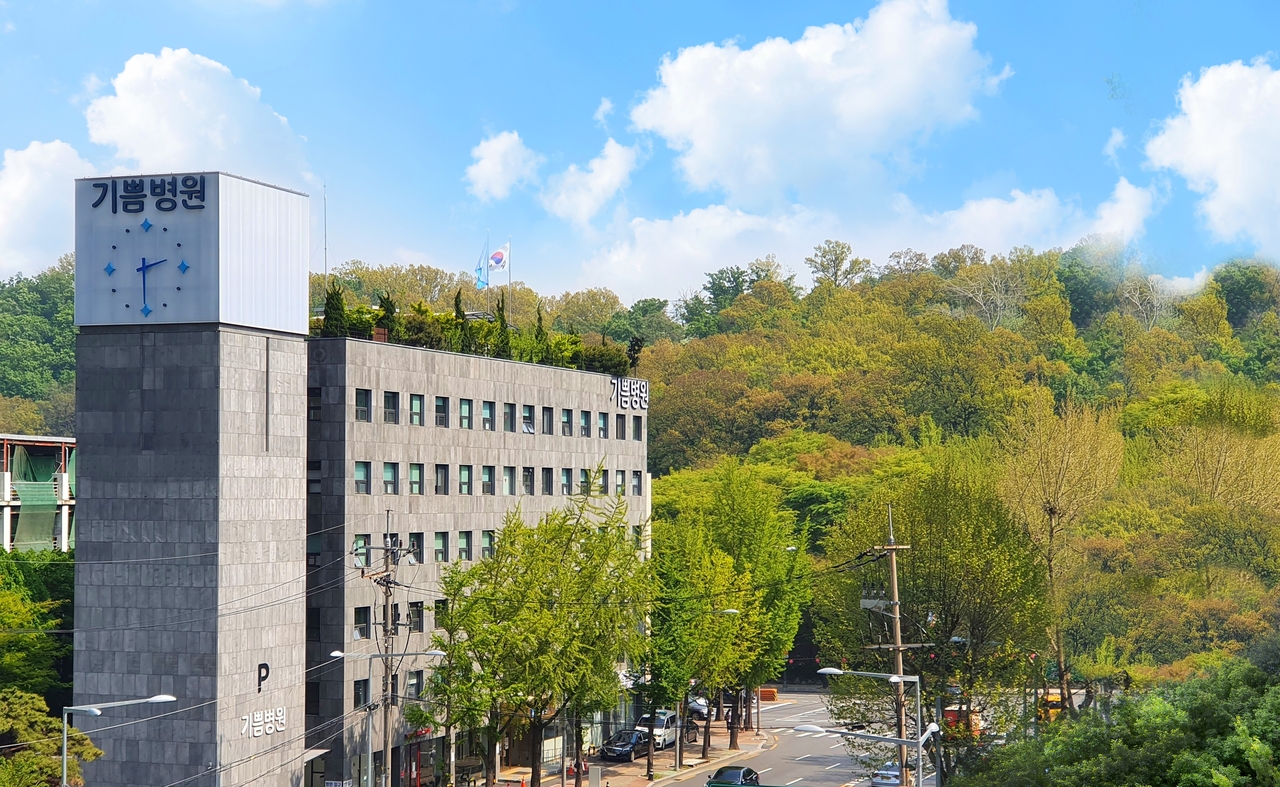
Gibbeum Hospital is a general hospital designated by the Health Ministry as a specialized hospital for surgery, with medical staff working across eight surgical centers and 14 departments, according to the hospital.
It runs a 24-hour emergency room, and its children’s hospital, designated as a Moonlight Children’s Hospital, provides pediatric care daily from 8 a.m. to midnight, including weekends and public holidays.
The hospital received accreditation from the Korea Institute for Healthcare Accreditation in 2024. The accreditation, which runs through November 2028, followed an assessment of areas including patient safety, infection control and facility management.
Now, Kang is looking to reach another group of patients: foreign nationals living in Korea who struggle to navigate the country’s health care system.
“We are preparing to open a center for foreign patients near our existing building in Seocho-gu, with the first half of 2027 as a tentative target,” Kang said.
The proposed foreign patient center would have a broader purpose than attracting people from overseas for hernia surgery, he said.
“Foreigners living in Korea also tell us that it can be very difficult to use the medical system because of the language barrier,” he said.
“Smaller clinics may be difficult to navigate without Korean, while large hospitals can feel complicated to patients unfamiliar with the system.”
The planned center would offer an initial consultation and connect patients with the appropriate department at Gibbeum Hospital when specialist treatment is needed, he said.
As a surgeon, Kang said, he hopes not to see his patients return with the same problem.
“My heart sinks when I see the name of a patient I’ve operated on before,” he said. “Ideally, I see a patient once, say goodbye and don’t have to see them again.”
yunapark@heraldcorp.com