President Lee Jae Myung’s remarks Tuesday about falling home prices in parts of Seoul drew skepticism, reflecting a gap between his assessment and what many buyers and renters are seeing in the market.
Lee told a Cabinet meeting that transaction prices in key areas were falling “to a surprising degree” and said South Korea must “shed the stigma of being a republic of real estate speculation.”
He later wrote on X that the government was considering buying homes in bulk for public rental housing if prices fell sharply.
"Jeonse listings have disappeared at a 'surprising degree,'" one online commenter wrote, echoing Lee’s remarks.
"How does it help ordinary people if prices are falling only in Gangnam?" another asked.
Why Seoul’s housing market feels different
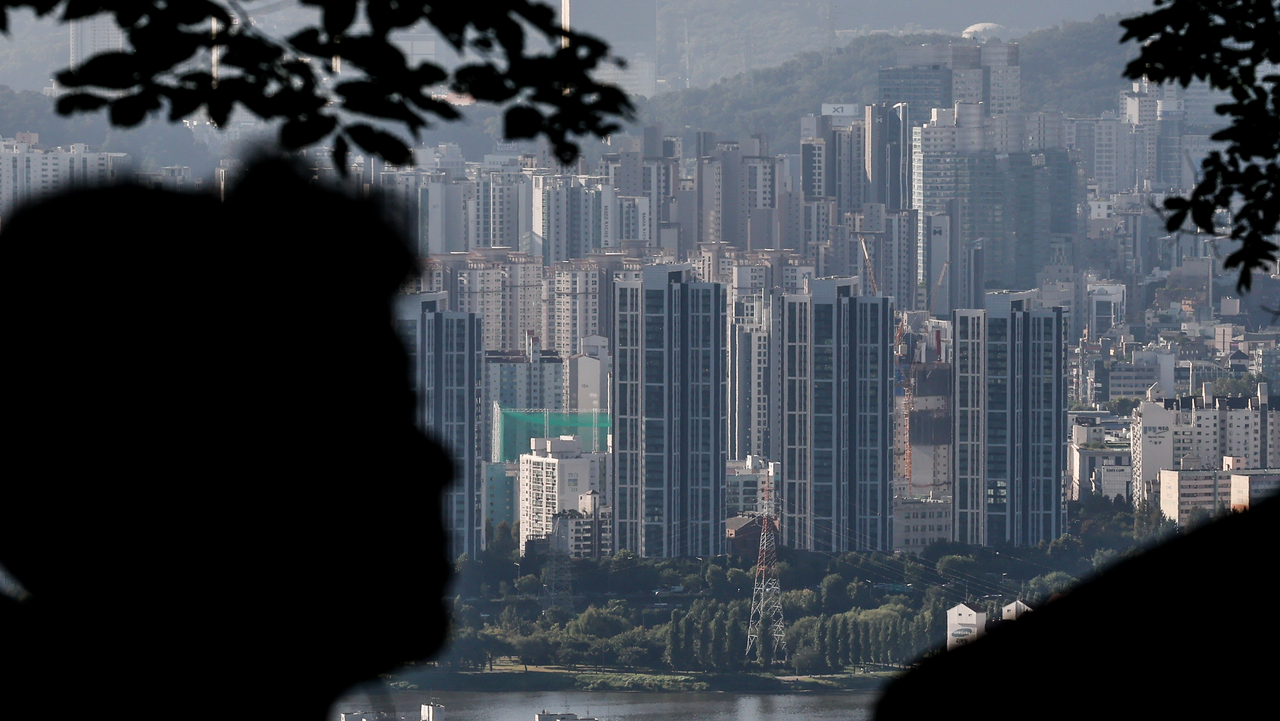
The Korea Real Estate Board’s weekly apartment price index showed declines in Seoul’s three Gangnam districts in the week through Oct. 26, while prices rose in the city’s other districts and neighboring Gyeonggi Province.
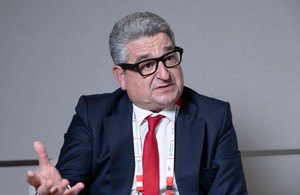
“Last year, price gains were concentrated in high-end homes. This year, they’ve been concentrated in lower- and mid-priced homes,” said Kim Hyo-seon, a senior real estate specialist at KB Financial Group.
According to the board, apartment prices fell 0.38 percent in Gangnam-gu, 0.35 percent in Seocho-gu and 0.22 percent in Songpa-gu from the previous week.
Prices rose in Seoul’s other 22 districts, led by Seongbuk-gu at 0.39 percent. Gangbuk-gu and Dobong-gu each rose 0.32 percent.
Some experts say mortgage caps have made higher-priced homes harder to buy, prompting some buyers to look in less expensive neighborhoods.
Under mortgage lending rules introduced in October 2025, loans for homes subject to the caps are limited to 600 million won ($449,400) for properties priced at 1.5 billion won or less, and 400 million won for those priced above 1.5 billion won and up to 2.5 billion won. For homes priced above 2.5 billion won, the cap is 200 million won. Actual borrowing amounts also depend on other lending requirements.
Rising rents and jeonse deposits
For tenants approaching the end of a lease, the more immediate concern is how much it will cost to stay or move.
Seoul’s apartment jeonse price index rose 0.17 percent in the same week that sale prices fell in the three Gangnam districts. Jeonse is a rental arrangement in which tenants pay a large refundable deposit instead of monthly rent.
“A shortage of rental listings has driven up jeonse deposits sharply over an extended period, and some of that increase is now being paid as monthly rent,” Kim said.
“If residents of a large apartment complex have to move out for redevelopment, that could put a lot of strain on the rental market.”
In areas subject to land transaction permits, buyers required to live in their new homes cannot immediately rent them out. Such requirements can restrict the supply of rental homes following a sale.
The government expanded land transaction permit requirements to cover all of Seoul and 12 areas in neighboring Gyeonggi Province in October 2025.
In a Facebook post Tuesday, Seoul Mayor Oh Se-hoon criticized Lee’s preparations for a potential housing downturn while rental costs continued to rise.
“Can’t you see that jeonse deposits and monthly rents keep climbing?” Oh wrote. “Everyone is scrambling to put out a fire at their feet, while the president alone is preparing for a flood.”
yunapark@heraldcorp.com