From traditional market to street food stall, viral clips turn ordinary merchants into unlikely celebrities
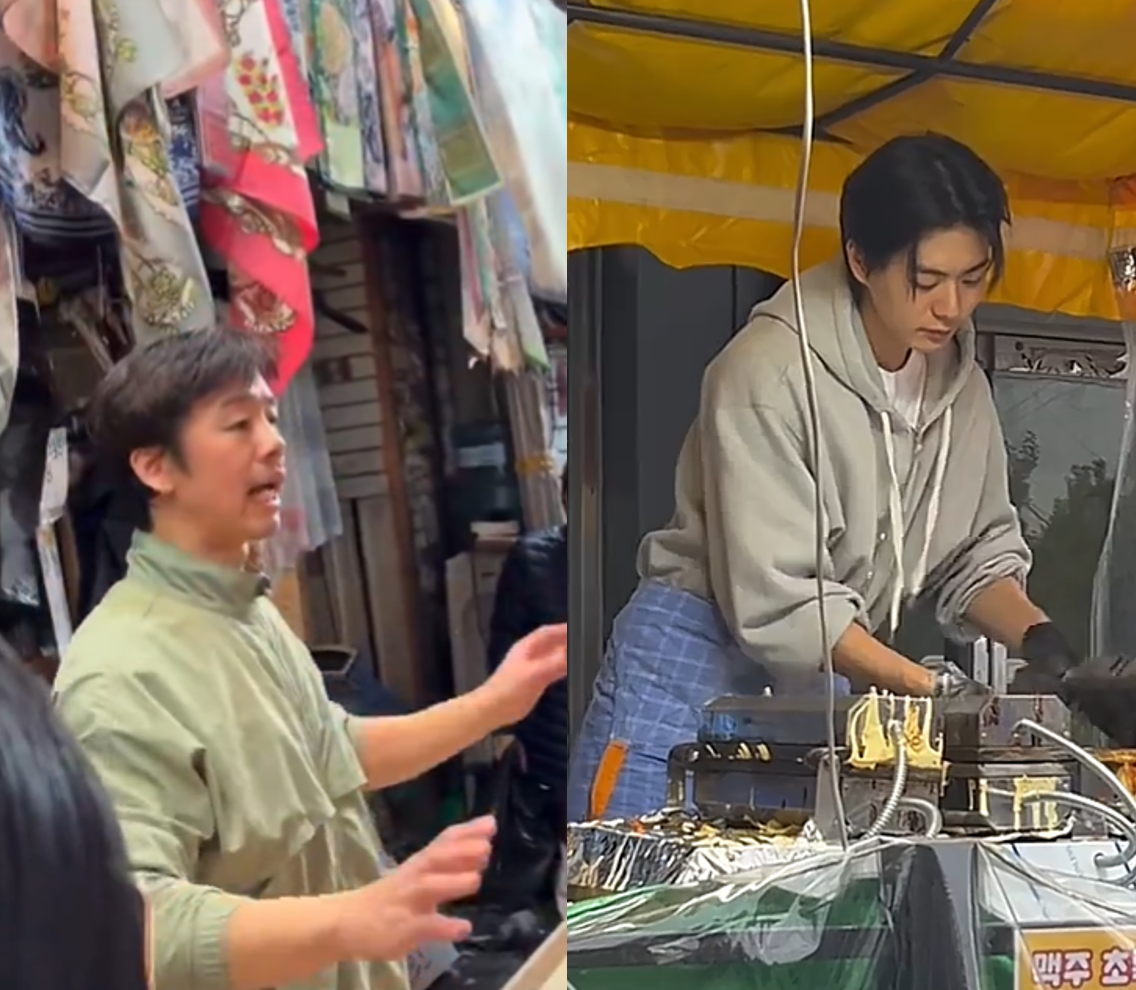
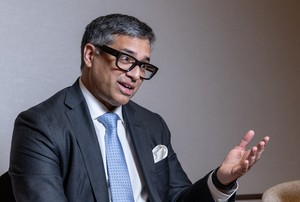
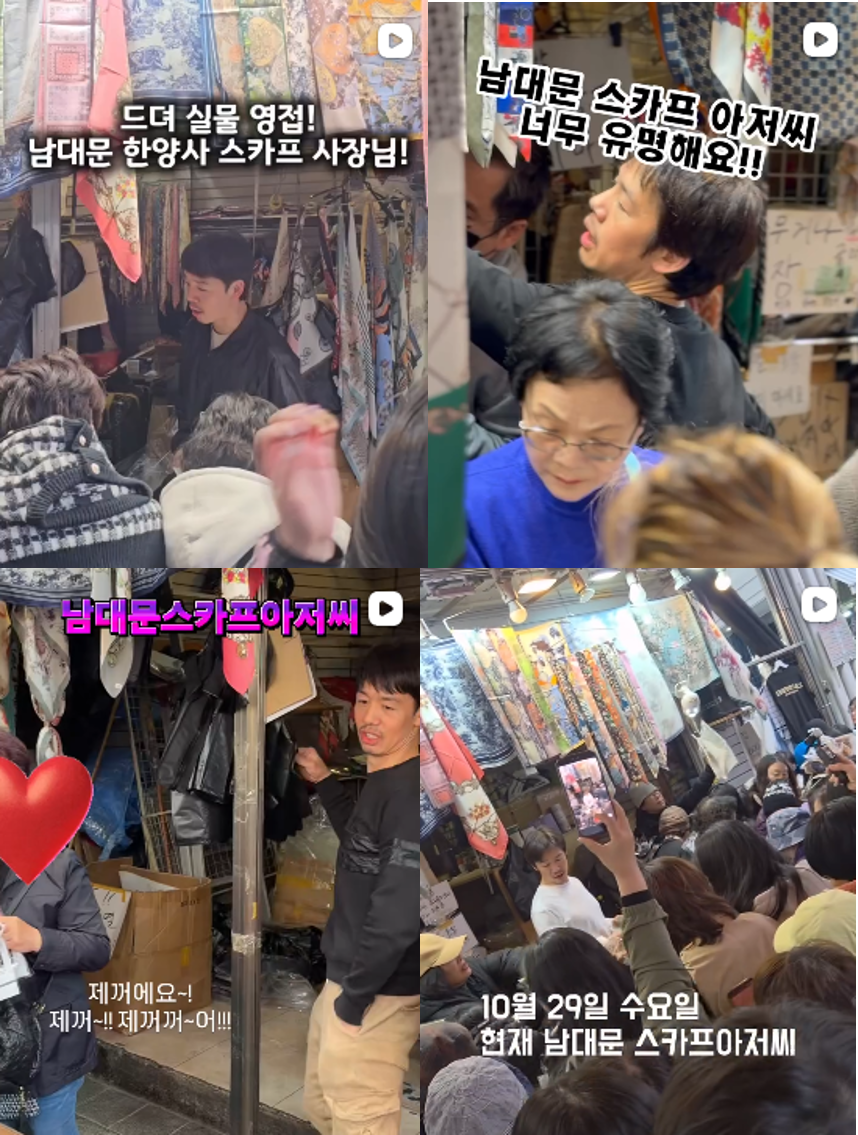
If you're active on social media, there is a good chance you have come across this man. In recent weeks, the Namdaemun scarf seller has become an unlikely online sensation, drawing attention for his witty exchanges with customers.
Known online as "Namdaemun scarf man," he runs a shop called Hanyangsa at Namdaemun Market, South Korea's oldest and largest traditional market. He sells scarves from an outdoor display, where shoppers can pick any six for 10,000 won ($7.50).
His quick wit and an unconventional sales pitch have become his trademark. Speaking in an apparent Chungcheong dialect, the merchant casually addresses his mostly middle-aged women customers as "mom" or "sis," jokingly trying to talk them out of buying his scarves -- saying the scarves are not worth their time and effort and they probably wouldn't wear them anyway.
In one video, he tells a shopper, "There's a reason they're so cheap." In another, he quips, "If you get home and don't like it, use it as bedding for your dog."
He also teases indecisive customers, saying, "At this rate, you'll spend the whole day picking out a scarf."
Videos featuring the vendor have racked up as many as 1 million to 5 million views on social media platforms. Hanyangsa's Instagram account has also gained more than 32,000 followers in just over a week since its launch on Oct. 25.
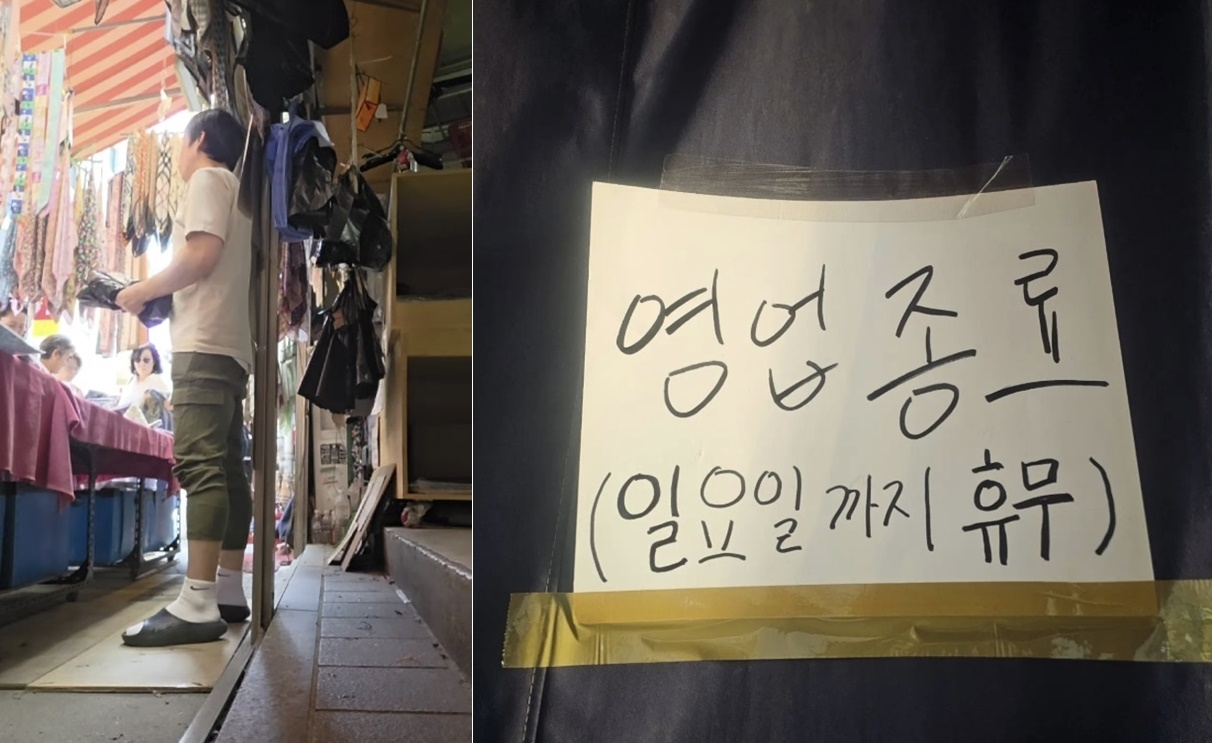
His viral fame has turned the once-ordinary scarf shop into a bustling attraction, drawing large crowds and leaving him with little choice but to close early.
The vendor recently announced on social media that he would vary his opening hours, rather than sticking to his usual 10 a.m. start, as people lining up before business hours have begun blocking market pathways and disrupting business for nearby shops.
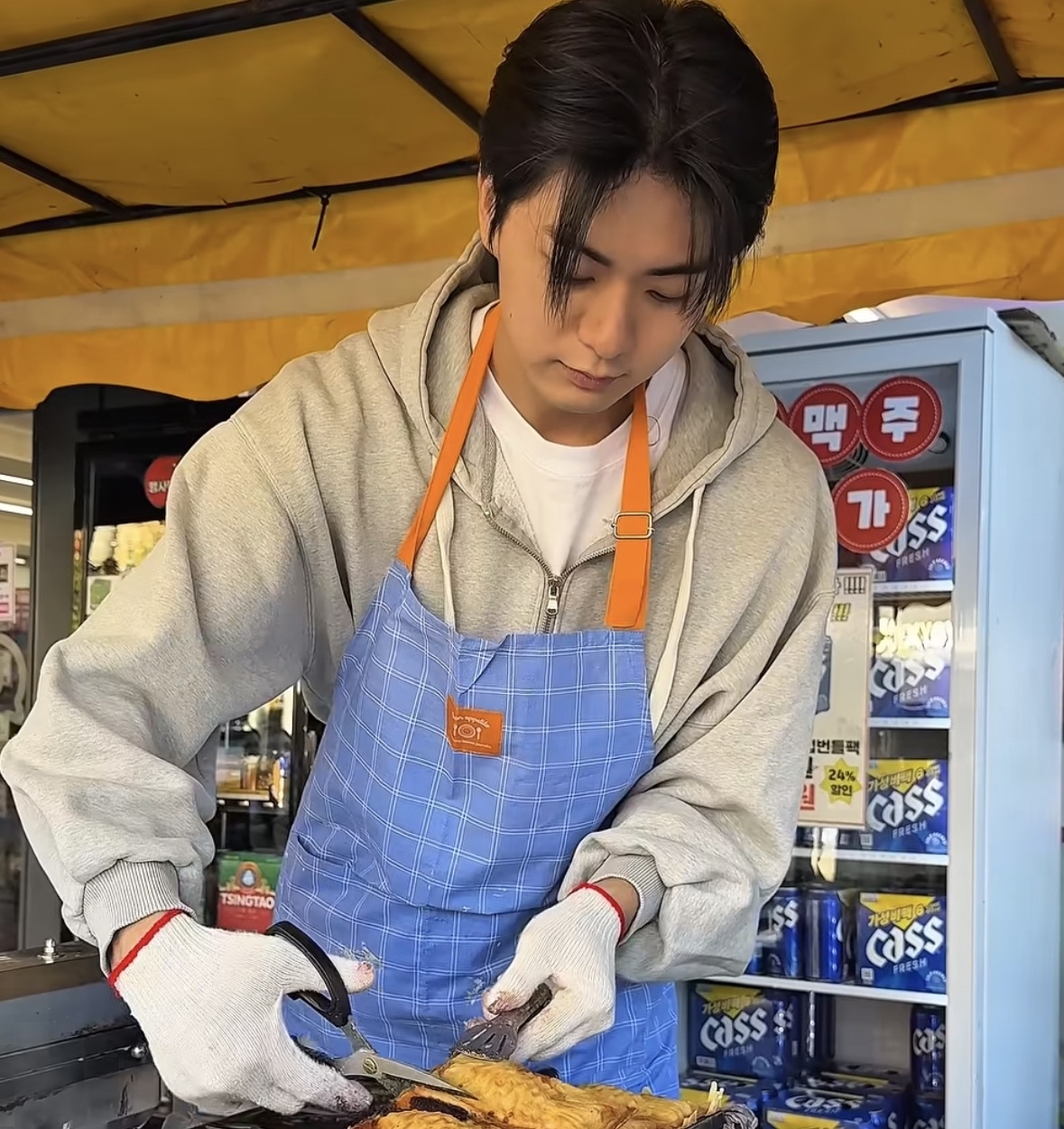
Social media has also turned the spotlight on a young man selling bungeoppang, a fish-shaped Korean pastry, in Gwangmyeong, Gyeonggi Province.
He attracted attention for his height and good looks after customers posted photos and videos of him selling the street snack online. He's been given the nickname "Bung Eun-woo," a combination of K-pop star Cha Eun-woo's name and bungeoppang.
Crowds flocking to see him blocked nearby sidewalks, prompting city officials to visit the site to assess safety concerns, according to news reports. Overwhelmed by long lines and large orders he had to handle alone, he temporarily closed his stall for a week late last month. He has since reopened.
"One of the emotional effects of digital media is a reduced sense of distance between people. On social media, the line between content creators and consumers becomes blurred, allowing even ordinary individuals to attract public attention," Jang Min-ji, a professor in the department of media and film at Kyungnam University, said in a report.
"Users can develop a sense of familiarity with people they encounter online, and that feeling of closeness can spark an interest in meeting them in person."
While social media buzz can draw more visitors and benefit local businesses, overcrowding and safety concerns have become growing issues.
"The market was struggling during the COVID-19 pandemic, so it's good to see it bustling again," Bae Jong-min, 78, who has run a scarf shop at Namdaemun Market for 30 years, told a local news outlet.
"But visitors coming to see the scarf seller often crowd around neighboring shops, making it difficult for us to do business. Still, he's our neighbor, so it's not easy to complain."
cjh@heraldcorp.com