From BTS concerts to idol auditions, K-pop and global streamers expand their mutually beneficial partnership. Here's why

For years, K-pop agencies turned to domestic broadcasters, particularly cable music channels such as CJ ENM's Mnet, to discover aspiring idols and document their journey to debut. Televised competitions eventually expanded to major terrestrial networks, helping agencies introduce new acts to Korean audiences.
Now, the search for the next big K-pop act is increasingly reaching beyond Korean television, with global streaming platforms emerging as important partners.
The latest example came on Oct. 21, when Netflix announced "We Go High," an original audition series that will recruit students from South Korea's arts high schools to form a new girl group.
Netflix also signed a memorandum of understanding with SM C&C, an affiliate of SM Entertainment, to support the group's training, management and global activities after its debut.
The project reflects a deepening relationship between K-pop and global streaming services. What initially centered on bringing established artists and their devoted fans to international screens is expanding into a mutually beneficial partnership that extends to discovering and nurturing new talent.
For K-pop agencies, platforms such as Netflix and Disney+ offer something even the industry's most powerful fandoms cannot guarantee — exposure to mainstream audiences who might otherwise have little reason to seek out K-pop.
Despite its remarkable global popularity, K-pop still has considerable room to grow in the world's largest music market.

According to music analytics firm Luminate, Korean-language music accounted for just 1.1 percent of on-demand audio streams in the US in the first quarter of 2026, compared with 86 percent for English-language music. Although the figure does not represent K-pop's exact market share, it illustrates the relatively limited penetration of Korean-language music into everyday American listening habits.
Reaching beyond its core fandom and establishing a broader mainstream audience remains one of K-pop's biggest challenges, not only for its continued growth, but also for sustaining global momentum.
Streaming platforms offer another route to these listeners, introducing artists and their music through documentaries, reality programs and performances that can appeal beyond existing fandoms.
The benefits also flow in the opposite direction.
For global streamers competing for viewers and subscribers, K-pop offers something valuable: highly engaged international fandoms willing to follow their favorite artists across platforms.
BTS provided perhaps the clearest demonstration of that appeal in March, when Netflix livestreamed the group's comeback concert from Gwanghwamun Square in Seoul.
According to Netflix, "BTS The Comeback Live: Arirang" attracted 18.4 million viewers worldwide live and within 24 hours. It entered the platform's weekly top 10 in 80 countries, ranking first in 24.
A week later, Netflix released "BTS: The Return," a documentary chronicling the group's preparations for its first full album following the military-service hiatus.
The arrangement gave BTS a global stage while providing Netflix with an event capable of mobilizing millions of viewers. Whether it translated into substantial new subscriptions remains undisclosed.
The partnership model is hardly limited to established superstars.
In 2024, Netflix released "Pop Star Academy: Katseye," documenting the rigorous selection and training process behind the multinational girl group created by Hybe, the K-pop powerhouse behind BTS, in partnership with Geffen Records, a label under Universal Music Group, through their earlier audition project, "The Debut: Dream Academy."
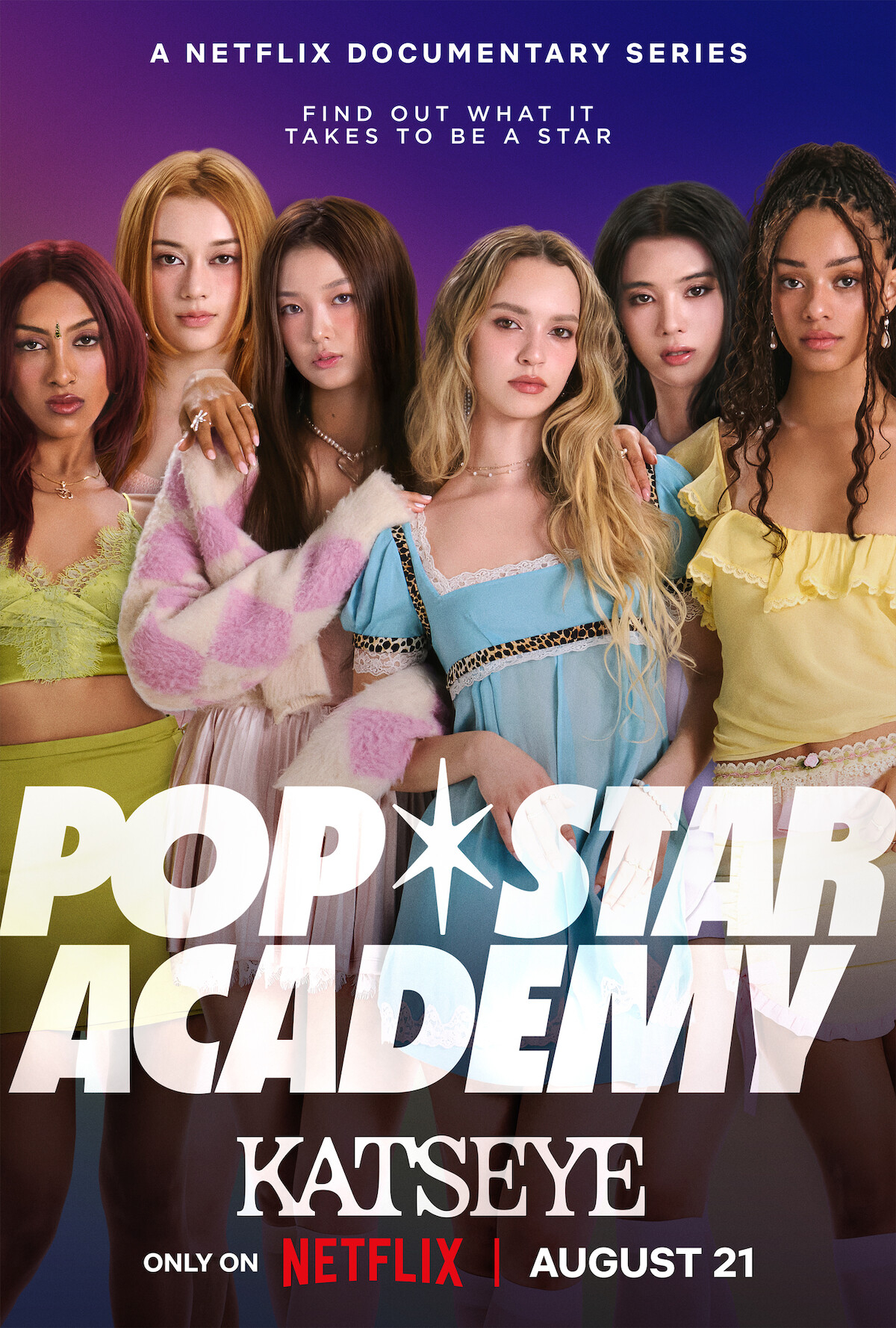
Katseye's subsequent rise has been striking. Less than two years after debuting in June 2024, the group performed at the Grammy Awards in February this year, where it was nominated for best new artist and best pop duo/group performance.
Other streaming services are exploring different approaches. Apple TV released "Kpopped," bringing Western pop stars together with K-pop acts for collaborative performances, while Disney+ presented Seventeen's 10th-anniversary documentary series, "Seventeen: Our Chapter."
The Korea Herald also reported exclusively in September that a documentary on G-Dragon was in production for Disney+, with a release planned for 2027.
These projects suggest that the relationship is evolving beyond simply turning existing K-pop popularity into streaming content.
With "We Go High," Netflix is preparing to showcase the formation of a new group from its earliest stages, while SM C&C plans to support the resulting act beyond the program itself.
For K-pop fans, the growing variety of original content on global streaming platforms means more opportunities to see their favorite artists in different settings and discover emerging talent.
For the industry, the benefits could extend much further. As global streamers explore everything from documentaries and live concerts to audition programs, K-pop gains more opportunities to showcase different sides of the genre to audiences beyond its established fandom.
That broader exposure is a welcome development for an industry seeking to turn its global popularity into lasting mainstream appeal.
jaaykim@heraldcorp.com