After Lee and Xi met at APEC in Shenzhen, hopes are building for Korean films in China
For almost a decade, Korean movies have been nowhere to be found in Chinese theaters. An agreement between Seoul and Beijing this week could help turn things around — and a period film about Korean freedom fighters in Shanghai may be first in line.
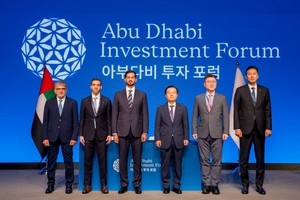
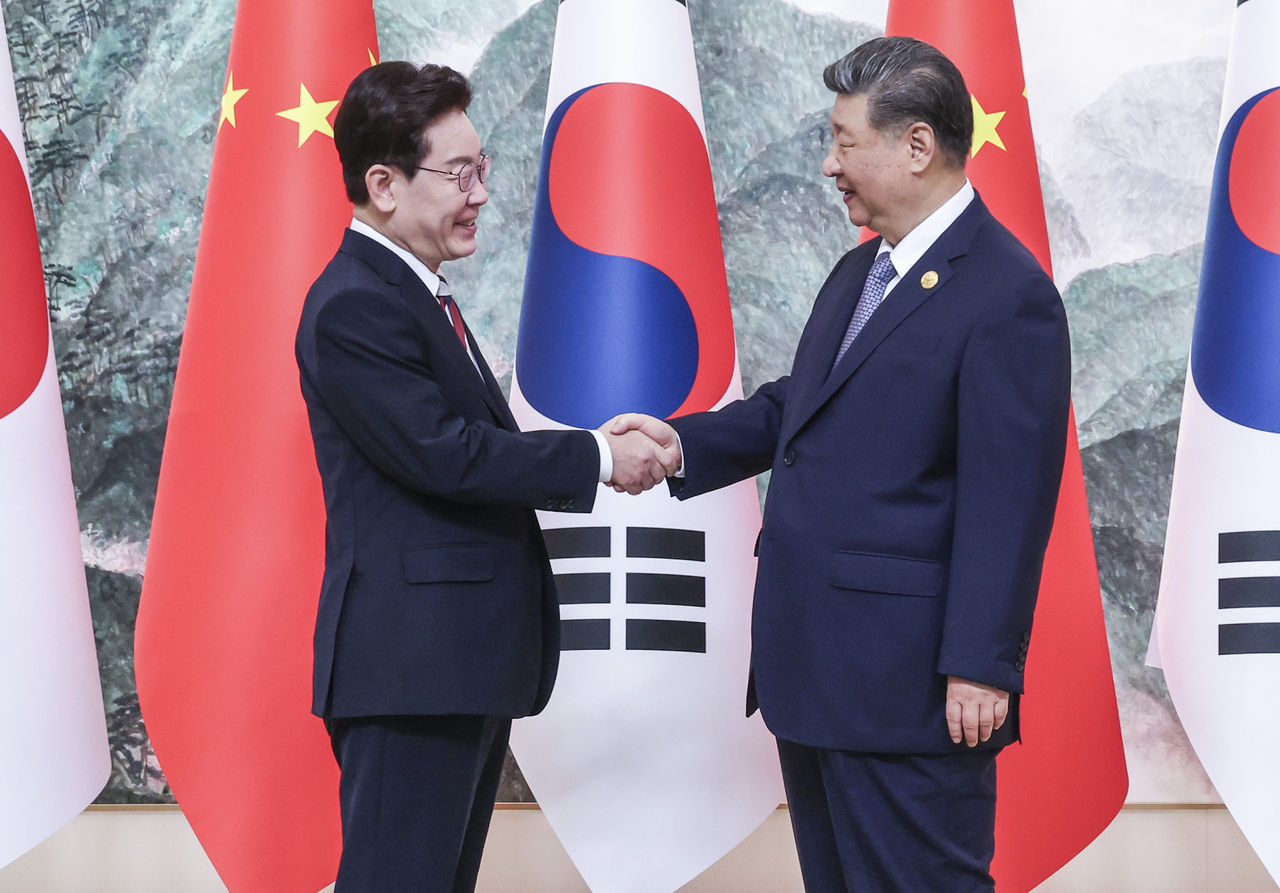
On Wednesday, President Lee Jae Myung and Chinese President Xi Jinping met on the sidelines of the Asia-Pacific Economic Cooperation summit in Shenzhen, China. At the meeting, the two countries concluded more than eight years of talks on expanding their free trade agreement to the service sector, including film.
Beijing agreed to treat Korean films and games on equal terms with other foreign titles, including when it decides which ones get released in the country. It is the first time China has made such a commitment in a trade agreement, Korean officials said.
Under a 2014 pact, films made jointly by Korean and Chinese companies count as local releases in China with government approval. China limits foreign films to no more than a third of each theater's screen time; approved co-productions are exempt from that cap.
In practice, though, such approvals all but stopped in 2016 after Seoul agreed to host a US missile-defense system known as THAAD on its soil over Beijing's objections, prompting wide-ranging economic retaliation from China. Wednesday's deal aims to restore the previous arrangement and extend it to TV dramas and other content.
"If we make a film together, it can be screened in China under the domestic quota," a senior official in the presidential office said during a briefing in Shenzhen. One such project is already in the works, the official added.
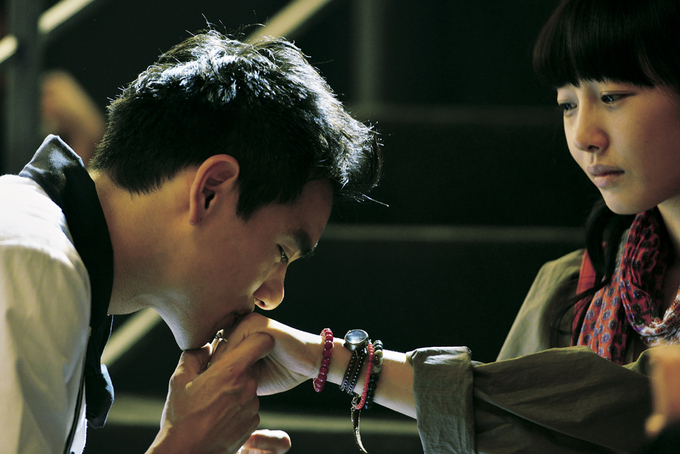
According to industry officials, the project in question is "Star of Shanghai" (working title), a spy action film set in the early 1930s. It follows a group of Korean freedom fighters who operated in China during Japan's colonial rule of Korea, many of whom joined forces with Chinese activists fighting Japan.
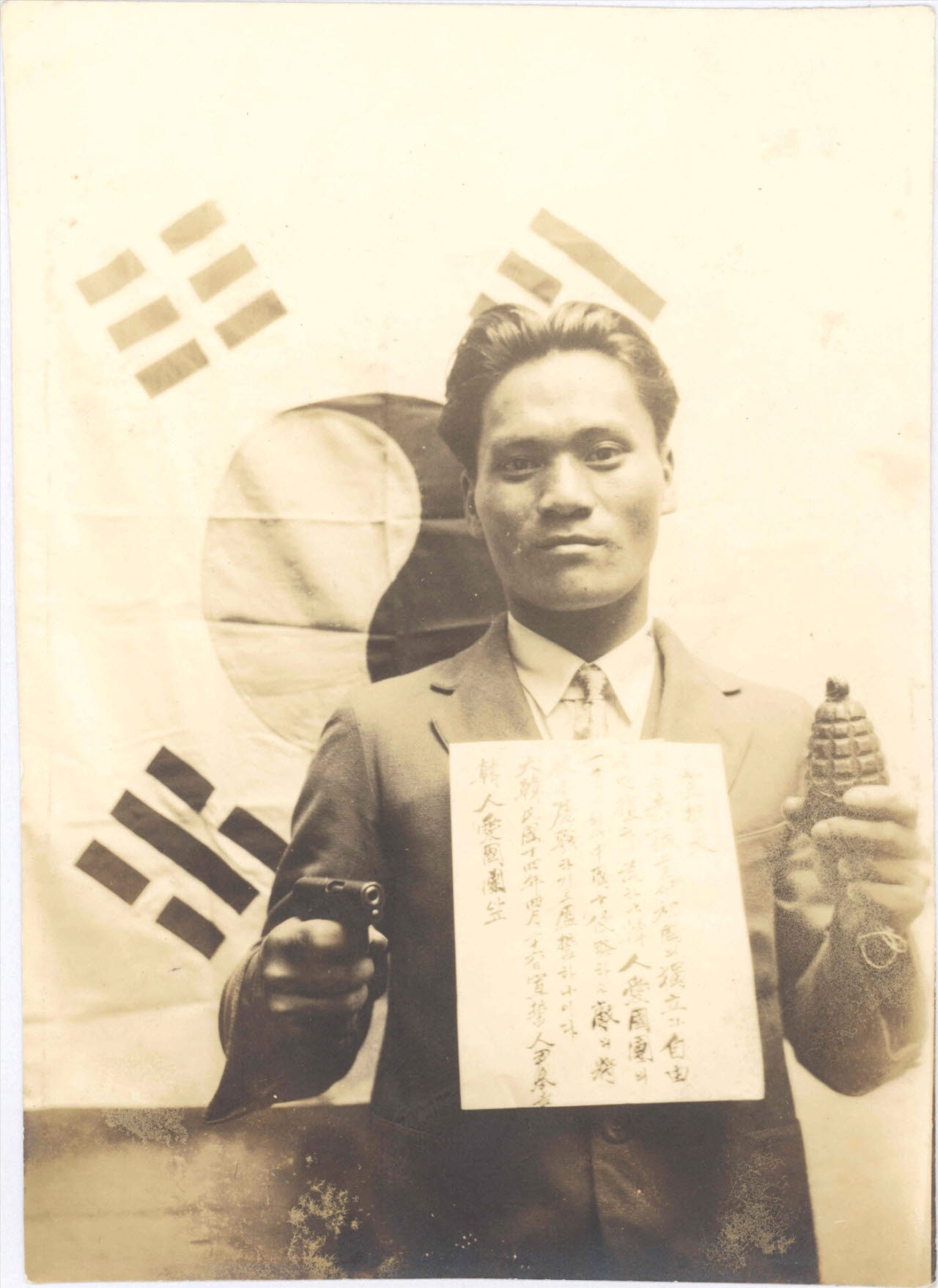
Its characters reportedly include Kim Gu, a leader of Korea's government in exile, and Yun Bong-gil, a member of Kim Gu's underground resistance group who bombed a Japanese military celebration in Shanghai's Hongkou Park in 1932. The attack killed a Japanese army general and wounded several senior military and diplomatic officials.
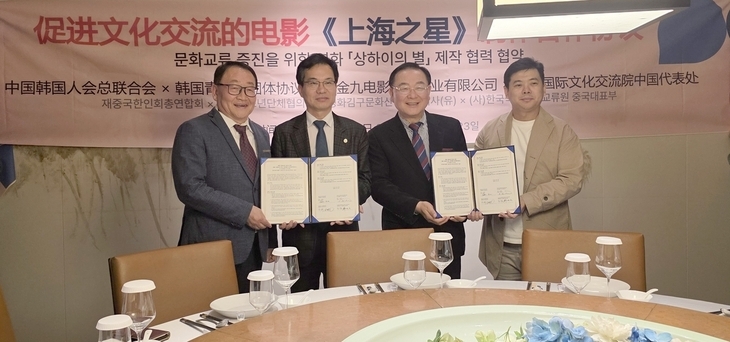
Kortop Media, a local production company behind the TV series "Parole Examiner Lee" (2025), has been working on the project since 2020. Early reports put the budget at about 30 billion won ($22.5 million), with Kim Myung-min and Sung Dong-il reportedly attached to star.
The company has since teamed up with a major Chinese studio to co-produce the film, Kortop chairman Ko Dae-hwa said in September. No dates have been set for filming or release.
In the early 2010s, it was common for two or three Korean films to open in Chinese theaters each year, with a handful of Korea-China co-productions going on to become box office hits. That pipeline vanished almost entirely in 2016.
Beijing never officially announced restrictions, but Korean films and TV shows would be shut out of the Chinese market for years to come. Of the 118 foreign films released in China in 2018, none were Korean, according to a white paper by the Korean Chamber of Commerce in China. Joint projects also stalled — Chinese regulators approved 189 co-productions with foreign partners from 2017 to July 2019, but not a single one with Korea.
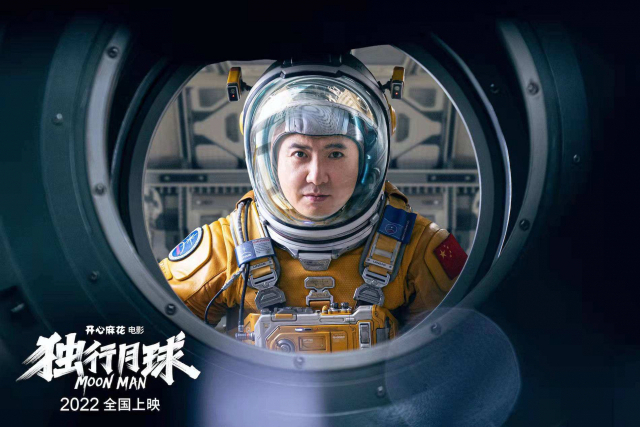
The Korean films that did make it into Chinese theaters during this period did so mostly in the form of remakes. "Veteran" and "Sunny," both box office hits in Korea, were remade with Chinese casts in 2019 and 2021, respectively. "Moon Man" (2022), adapted from a Korean webcomic, was a box office smash in China, selling more than 70 million tickets.

In 2024, Korean film exports to China, including sales of remake rights, stood at $7 million, or about 85 percent of the 2014 level, according to the state-run Korea Creative Content Agency.
Officials in Seoul say Wednesday's deal gives them grounds to push back if Chinese regulators unfairly target Korean films and shows. Still, it may be too early to celebrate, given how often China's stance on Korean content has shifted before.
In late 2022, hopes of a reopening ran high when Beijing approved a batch of Korean video games for release and a major Chinese streaming service began showing a Korean film. But approvals for Korean TV dramas stalled again the following year.
moonkihoon@heraldcorp.com