New factories and partnerships with Western rivals mark a new phase in China's global auto ambitions, challenging Hyundai and Kia's established European presence
Chinese automakers are turning Europe from an export market into a manufacturing foothold, building factories and joining forces with established rivals to overcome trade barriers and challenge the region's automotive giants.
Facing fierce competition and overcapacity at home, companies including BYD, Chery and Geely are moving production closer to European customers. Their strategy goes beyond avoiding EU tariffs: By taking advantage of underused factories and local partnerships, they are positioning themselves to become permanent players in Europe's automotive industry.
The expansion marks a new phase in China's global automotive ambitions, testing whether its advantages in cost, scale and electric vehicle technology can be replicated overseas.
For South Korea's Hyundai Motor Group, which has spent decades building a European manufacturing network, the shift brings a formidable new challenge as Chinese rivals increasingly compete on its turf.
From exports to European production
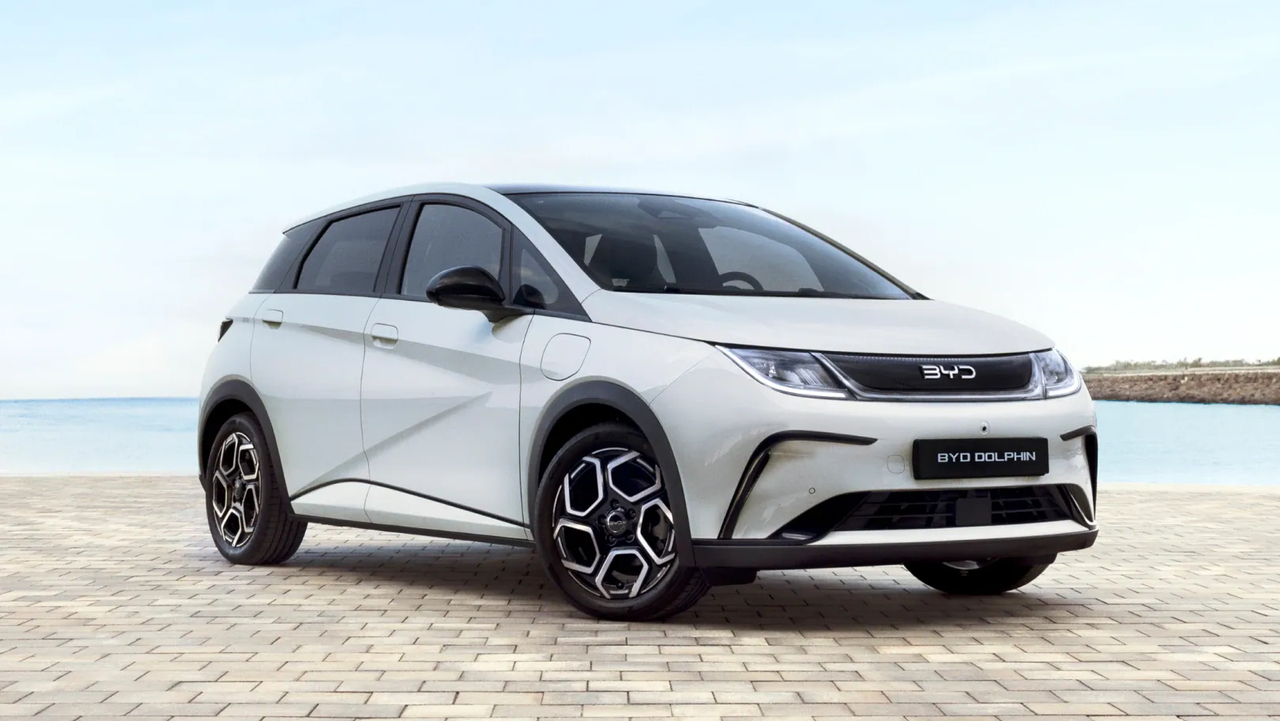
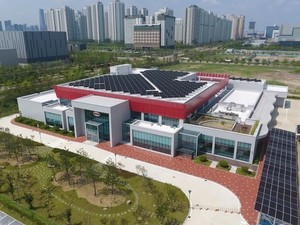
BYD is leading China's localization push, preparing to begin production at its new plant in Szeged, Hungary, this year.
The facility, designed for an eventual annual capacity of 300,000 vehicles, will become BYD's first European passenger-car production base. It is expected to manufacture compact electric models, including the Dolphin Surf and Atto 2.
Local production offers a significant advantage in navigating EU trade restrictions.
Chinese-made battery-electric vehicles face a standard 10 percent import duty plus additional countervailing tariffs ranging from 7.8 percent to 35.3 percent, depending on the manufacturer. BYD faces an additional 17 percent levy, compared with 18.8 percent for Geely and 35.3 percent for SAIC Motor.
Manufacturing within the EU would allow Chinese companies to avoid those additional import duties, while reducing shipping costs and building closer relationships with regional suppliers.
Hungary has emerged as an attractive production hub thanks to its relatively low labor costs and established automotive supply chain.
Other Chinese manufacturers are pursuing similar strategies. SAIC Motor, which sells vehicles primarily under its MG brand, has explored plans for a European production facility as it seeks to reduce reliance on imports from China.
Turning competitors into partners
Beyond building factories, Chinese automakers are increasingly forming alliances with established manufacturers that are struggling with sluggish demand, costly electrification investments and underused production capacity.
For European companies, the partnerships offer opportunities to sustain factory operations and share development costs. For Chinese manufacturers, they provide access to existing plants, supplier networks and local industrial expertise.
Spain has become a prominent center of this cooperation.
Chery Automobile has partnered with Spanish automaker Ebro to revive Nissan's former Barcelona factory, which closed in 2021. Ebro holds a 60 percent stake in the joint venture, with Chery owning the remaining 40 percent. The partners have invested more than 150 million euros ($174 million) in the facility, including a new production line capable of producing 250 additional vehicles daily.
Geely has also pursued a manufacturing partnership with Ford involving the US automaker's Valencia plant in Spain, with joint production planned for 2028. Ford is set to hold 66 percent of the joint venture and Geely 34 percent, subject to regulatory approval. The Valencia factory operated at just 26 percent of capacity in 2025, underscoring the pressure on European manufacturing operations.
The arrangements mark a reversal in the industry's traditional relationship with China.
For decades, Western automakers entered joint ventures with Chinese companies to gain access to China's domestic market. Now Chinese manufacturers are increasingly leveraging partnerships with Western companies to establish themselves overseas.
The shift could help struggling European factories stay open, but it also raises questions about the region's growing reliance on China.
Chinese brands gain ground
Chinese automakers are rapidly expanding their European sales.
According to market research firm MarkLines, Chinese brands' European sales surged 90.6 percent year-on-year to 531,862 vehicles in the first half of 2026.
BYD recorded particularly strong growth, selling 169,361 vehicles, up 138 percent from a year earlier. Chery and Leapmotor also posted triple-digit increases.
Chinese manufacturers are expanding beyond battery-electric vehicles into plug-in hybrids and conventional hybrids, broadening their appeal among European consumers concerned about EV prices and charging infrastructure.
A wider product range, competitive pricing and increasingly sophisticated technology are allowing Chinese brands to challenge manufacturers that have traditionally dominated Europe's passenger-car market.
Can China's cost advantage survive Europe?
Despite their rapid expansion, Chinese automakers face a critical test: whether they can replicate their domestic cost advantages while operating under European conditions.
China's automotive industry has benefited from enormous scale, vertically integrated battery supply chains, extensive automation and fierce domestic competition.
But establishing European factories introduces higher labor expenses, fixed costs and the challenge of developing local supplier networks.
Lee Hang-koo, director of the Jeonbuk Institute of Automotive Convergence Technology, said Hungary's relatively inexpensive and established supplier ecosystem could help Chinese manufacturers preserve their competitiveness.
"Hungary's dense, low-cost supplier ecosystem gives BYD and other Chinese automakers a distinct structural edge over Hyundai and Kia's production bases in Turkey, the Czech Republic and Slovakia," Lee said.
He argued that automation and Chinese government support could further strengthen their pricing advantage.
Kim Pil-su, an automotive engineering professor at Daelim University, offered a more cautious assessment.
"Replicating China's hyperefficient, vertically integrated domestic production system will be difficult in Europe," Kim said.
Higher wages, fixed costs and complex labor management rules could limit Chinese automakers' ability to cut prices significantly, even after avoiding import tariffs.
Rather than triggering an immediate price war, local manufacturing may allow Chinese brands to protect margins while absorbing the costs of expanding overseas.
Hyundai faces a new competitive test
For Hyundai Motor Group, China's expansion poses a direct challenge to its established European operations.
Hyundai and Kia have long benefited from local production, helping them compete with European and Japanese rivals.
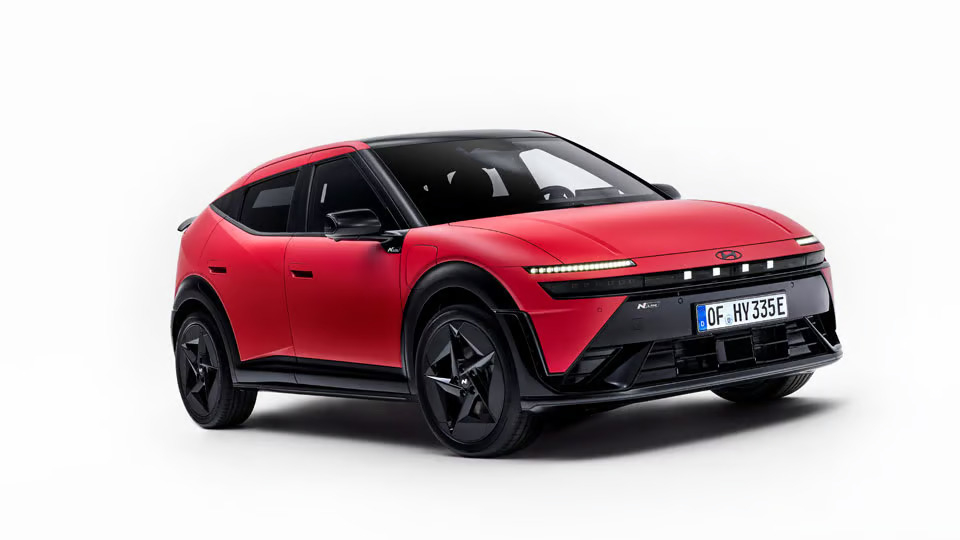
Hyundai has responded to the new competition from Chinese manufacturers by expanding its compact EV offerings, including the Ioniq 3, while both Korean brands are investing in production efficiency, automation and software development.
Kim said Korean automakers should focus on technological innovation rather than engage in a price war that could undermine profitability. Lee stressed the need to accelerate EV launches to compete with China's wider product portfolios.
hyejin2@heraldcorp.com