Growing acceptance of divorce is opening the door to unconventional celebrations, from reversed wedding rituals to playful cakes, but not everyone is ready to cheer
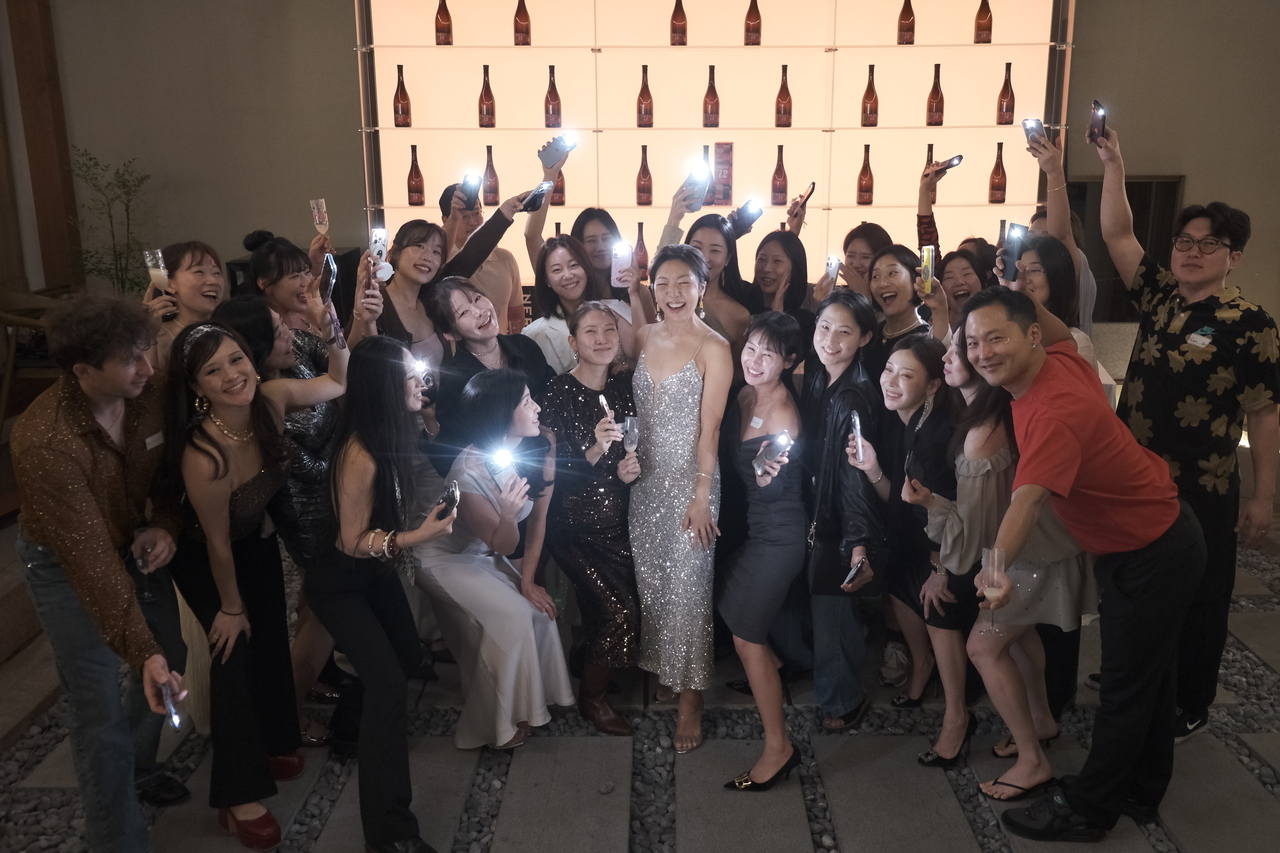
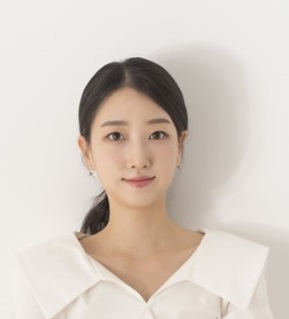
On a crisp fall day in early October, Cho Seung-yeon, 37, walked down the aisle of a traditional Korean-style restaurant in Seoul's Bukchon Hanok Village, wearing a shimmering silver gown and carrying a bouquet. Some 30 guests applauded as she made her entrance, followed by group photos, celebratory toasts and a ceremony that looked much like a wedding.
But Cho was celebrating the end of her marriage, not the beginning of one. Divorced several years earlier, the mother of 6-year-old twins had organized what she called a "divorce ceremony" to mark a turning point in her life and thank the people who had supported her through difficult times.
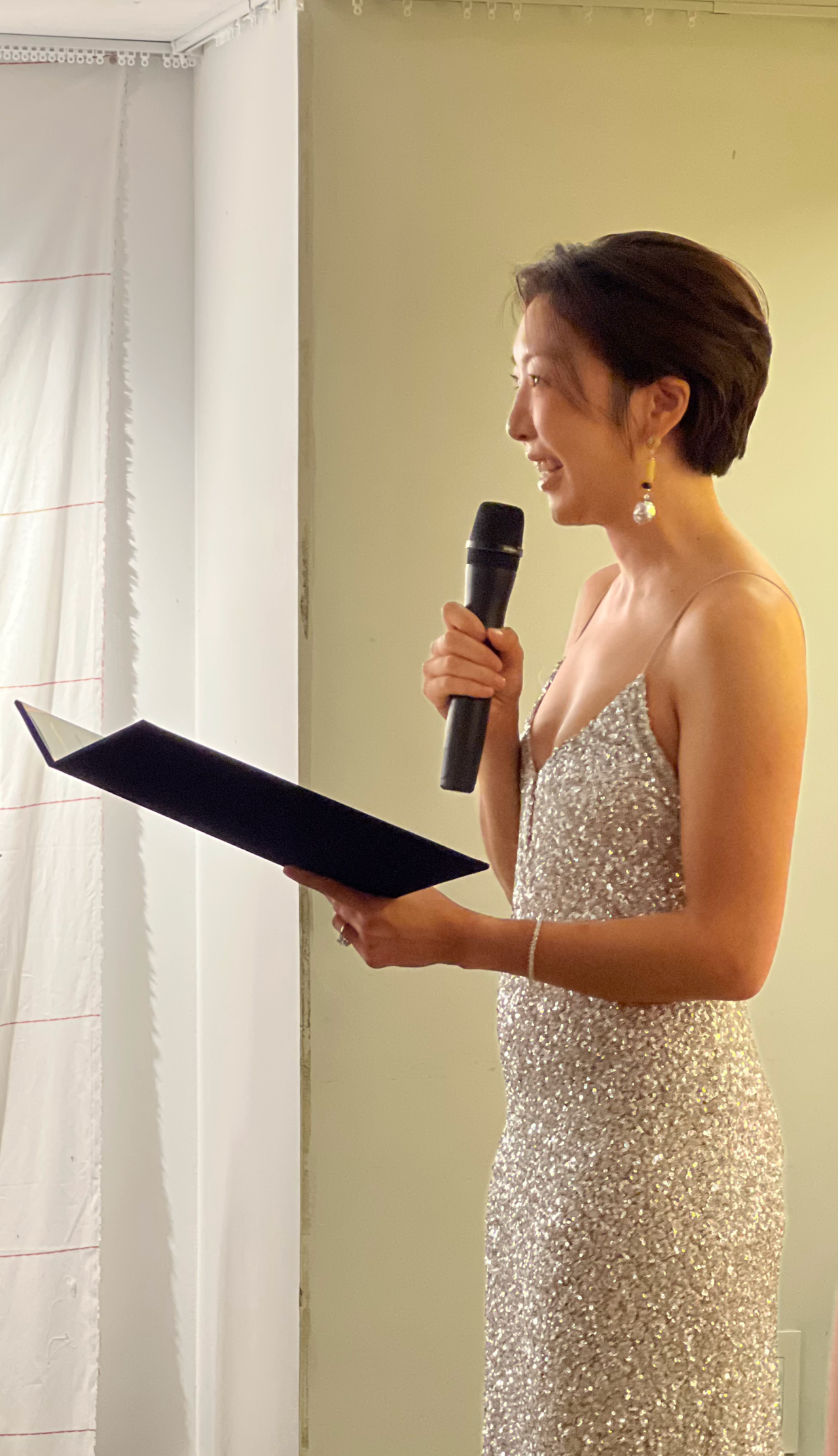
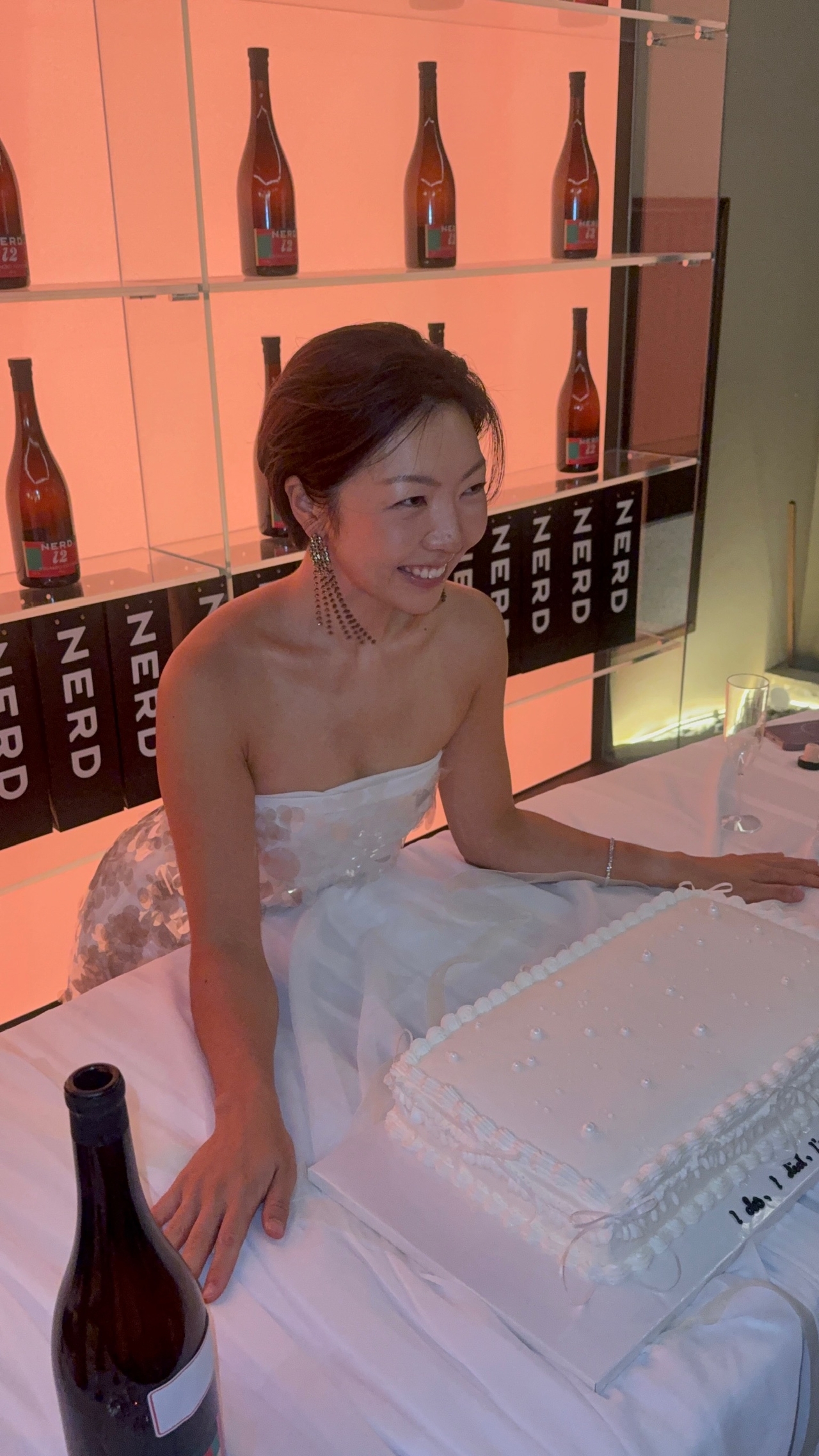
The familiar wedding rituals were given a twist. Instead of a gift table, guests received envelopes containing thank-you notes and lottery tickets. The traditional candle-lighting ceremony was replaced by the extinguishing of flames. Cho read a declaration to herself in place of exchanging vows.
"I don't think divorce can simply be defined as a failed marriage. Everyone has their own reasons for divorcing, and the changes it brings to their lives vary. For me, divorce was also a process of learning to build a better relationship with myself. The ceremony helped me realize that I could overcome difficult times and rebuild my life," she told The Korea Herald.
A public health graduate of Johns Hopkins University who previously worked in cancer research and patient education, Cho now runs Blooc, a parenting education brand she founded in 2024.
Balancing life as a single mother, breadwinner and entrepreneur, she used her divorce declaration to make five promises to herself: not to make herself smaller to be loved, to trust her inner voice, to keep believing in love, not to put off happiness and to always stand up for herself.
"After the ceremony, what struck me most was how deeply loved and supported I am. My healing journey is still ongoing, but the experience gave me renewed strength to move forward."
Divorce goes public
Once a deeply private matter shared only with family and close friends, divorce is increasingly being brought into the open in South Korea.
Beyond personal celebrations like Cho's, some counseling centers offer professionally guided divorce ceremonies as a therapeutic way to help people process the end of a marriage.
Lee Ho-seon, a counseling expert with 28 years of experience and a professor in the department of Christian counseling and welfare at Soongsil Cyber University, recently told a local news outlet that she had developed a divorce ceremony at her counseling center to help couples part ways on healthier terms.
The ceremony involves reading a divorce declaration and exchanging rings, symbolizing the end of the marriage while helping both parties let go of negative feelings toward each other and move forward, Lee said.
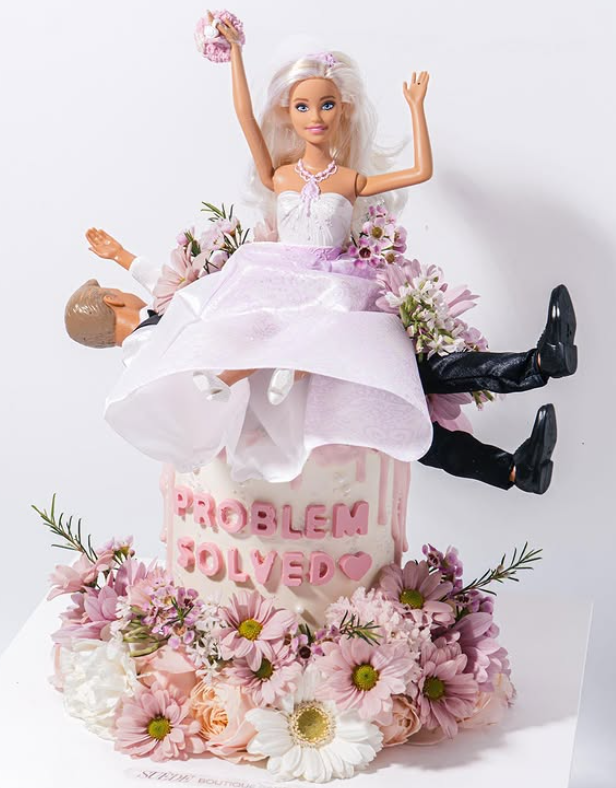
Some are turning to social media to announce their divorces, posting photos of custom-made cakes bearing celebratory messages about their newfound single status.
"At first, I was caught off guard because I had only made cakes for occasions like birthdays and wedding anniversaries. But I've been getting regular orders for divorce cakes since two years ago, with customers requesting playful messages like 'Problem solved,' 'Finally done' and 'I'm free,'" said Lee Ha-eun, who runs a custom lettering cake shop in Incheon.
"Customers approach it with such a lighthearted attitude that I've gotten used to it, and now I see it as a fun new trend."
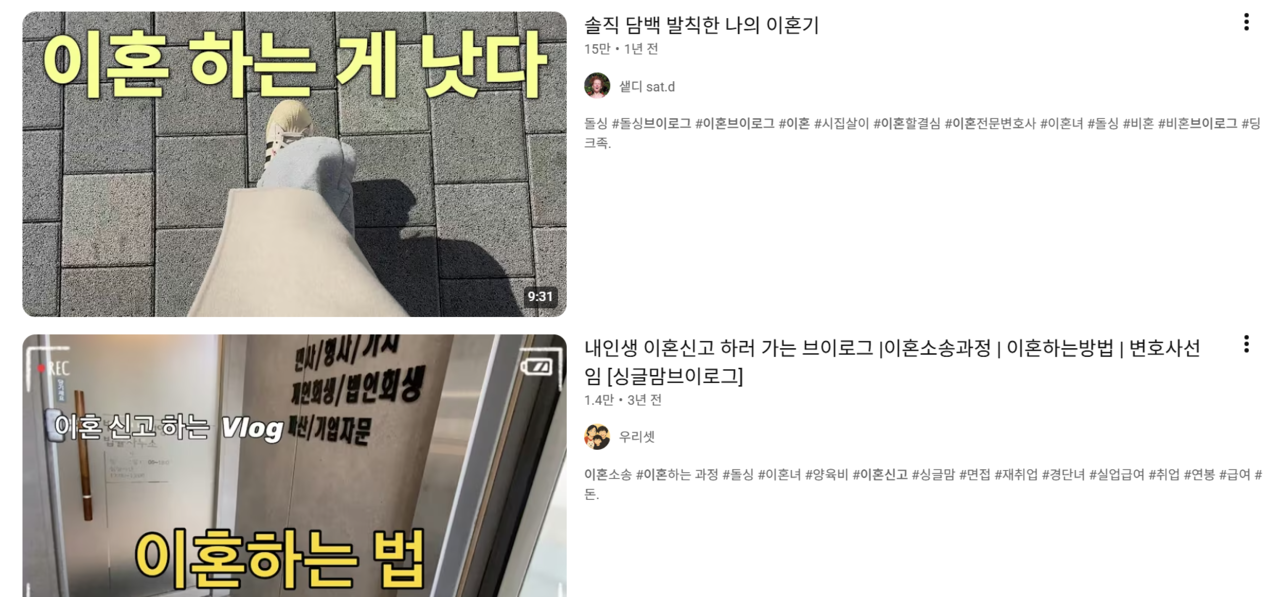
Vlogs documenting divorce are becoming part of everyday social media content as well.
In these videos, people openly share the process of ending their marriages, from showing divorce papers stamped by their former spouses to filming visits to family courts and the legal procedures involved, according to online communities.
Behind this growing openness about divorce is a broader shift in how Koreans view the end of marriage.
According to an April survey of 1,000 adults nationwide by Hankook Research, 85 percent considered divorce an acceptable choice, while only 7 percent believed people should not divorce.
The figure has remained consistently high in recent years, ranging between 85 and 87 percent in annual surveys conducted since 2022, data showed.
"As people increasingly prioritize personal happiness and individual choice over traditional social expectations, divorce is no longer necessarily seen as a failure. Celebrating it publicly can be a way of affirming their decision and embracing a new chapter in life," said Choi Yeon-sil, a professor of family welfare at Sangmyung University.
Not all welcome the trend
Although divorce has become more widely accepted in Korea, celebrating it publicly still draws mixed reactions.
Videos of Cho's ceremony, for example, drew criticism online, with some commenters arguing that divorce was nothing to celebrate and others accusing her of disrespecting her former spouse.
"What stayed with me were the comments judging me simply for being divorced, without knowing anything about my life or the purpose of the ceremony," she said.
"Rather than trying to understand what I wanted to celebrate, some people seemed more concerned with how a divorced person should behave."
The backlash reflects a broader tension between changing attitudes toward divorce and lingering social expectations.
The same Hankook Research survey found that 54 percent of respondents believed Korean society still viewed divorced people as having something wrong with them.
"Even people who personally believe divorce is an acceptable choice may feel uneasy when they see someone celebrating it publicly, wondering whether society is ready for such openness," professor Choi said. "That discomfort can sometimes turn into criticism or backlash."
For Cho, openly acknowledging divorce is part of a broader effort to foster understanding and respect for different ways of living.
"I believe a healthy society is one where different ways of living can be openly expressed and accepted. I hope people who have gone through divorce can share their stories without feeling the need to hide and move forward with their lives in their own ways," she said.
cjh@heraldcorp.com