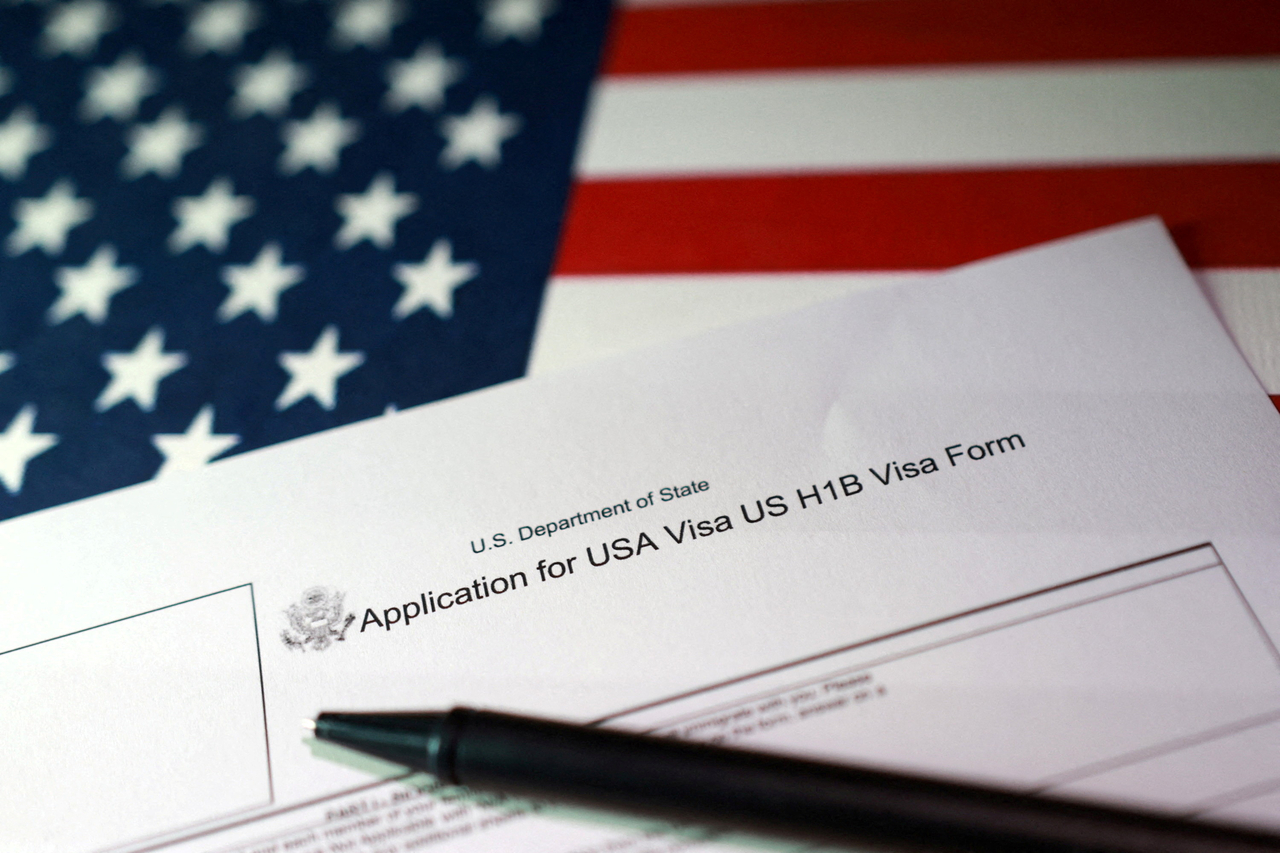
US President Donald Trump's administration has revoked over 300,000 US visas during his second term, the State Department said Tuesday as the federal government continues its sweeping immigration crackdown.
The number showed an acceleration in the pace of visa revocations in recent weeks.
In an update issued on Aug. 10, the State Department had put the number of visa revocations since Trump's current term began in January 2025 at over 175,000.
Trump says his immigration crackdown and deportation drive aim to improve domestic security. Rights advocates say the crackdown has violated due process and free speech rights and has created an unsafe environment, particularly for ethnic minorities, who have raised concerns about racial profiling.
In announcing the latest number on X, US State Department spokesperson Tommy Pigott said the Trump administration "has revoked more visas at a faster pace than any administration in history."
Pigott said the administration had "zero tolerance for foreigners here on visas who break the law, commit fraud, or undermine our national security."
Among visa revocations particularly condemned by rights advocates are those of pro-Palestinian foreign protesters demonstrating against US ally Israel's attacks on Gaza and of foreigners over their social media comments about conservative commentator Charlie Kirk's assassination.
In addition to attempts to deport foreign protesters, the Trump administration has enforced tightened social media screening of immigrants and visa applicants.
Rights advocates say the government has deployed national security reasons to target critics and used isolated cases of fraud to broadly target immigrant communities such as the Somali American community in Minnesota.
While Trump campaigned in 2024 on stopping illegal immigration, his administration has also made legal immigration more difficult — for example by imposing expensive fees for certain work visas. (Reuters)