A growing number of foreign tourists are taking to Korea’s trails for scenic views and cultural sites that tell history
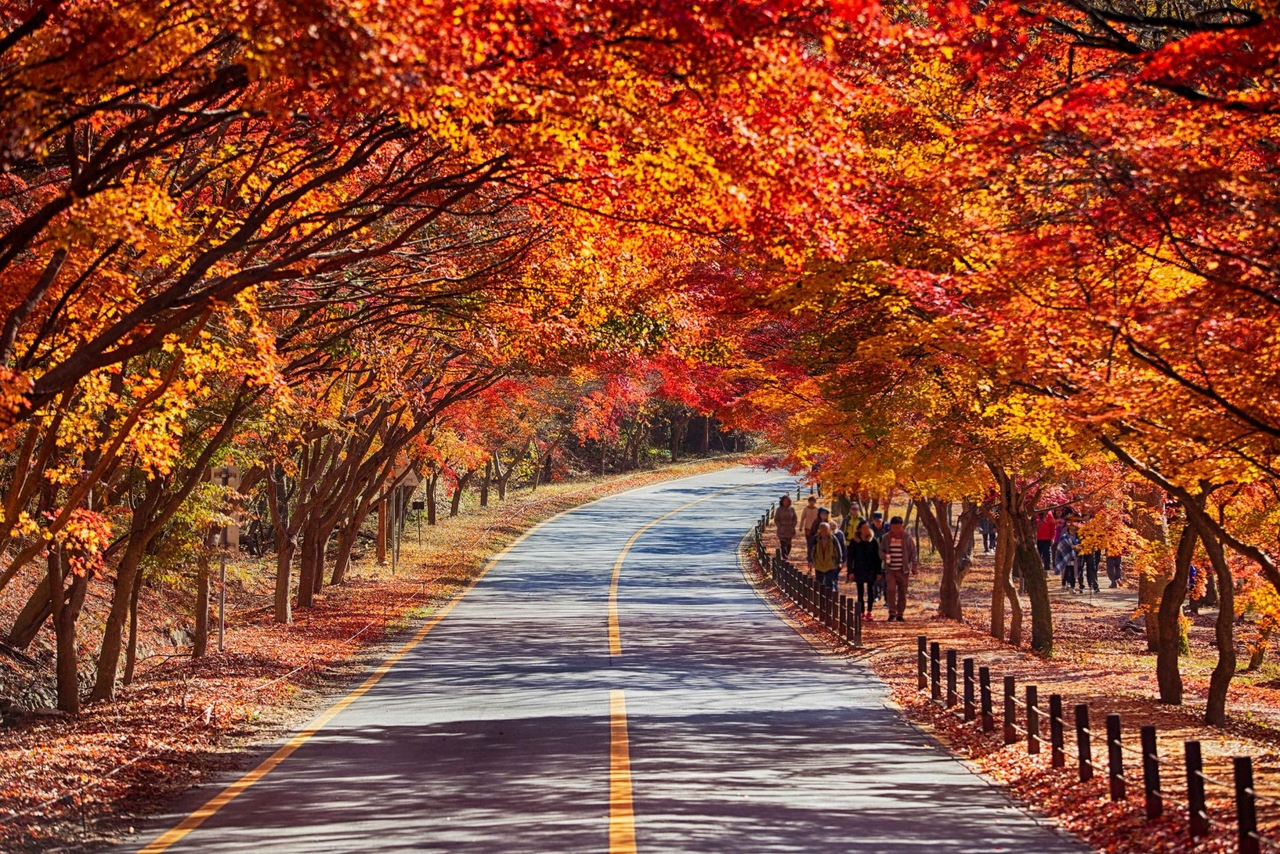
Interest in all things Korean — from pop music to food and cosmetics — is extending to the country’s mountains, as tourists continue to add hiking to their Korea itineraries.
Several national parks sit within a short walk of subway stations, not just in Seoul but also in Busan, Gwangju and Daegu, meaning hiking is one of the easiest ways to experience a slower side of Korea.
The growing appeal is reflected in visitor numbers. According to the Korea National Park Service, 730,000 foreign visitors explored the country’s national parks through the end of July. That was up from 610,000 during the same period last year, in line with a 20 percent rise in tourism numbers.
The total reached 1.13 million in 2025, and this year’s figure is on track to surpass it by a wide margin. Visitor numbers are expected to spike as Korea’s autumn foliage season gets underway, offering another draw for travelers eager to experience the country’s colorful mountain landscapes.
Global travel platform Klook reported a similar trend, with traffic for its hiking-related tours rising about 22 percent from a year earlier between July 1 and Oct. 10. Interest grew fastest among travelers from the US and Europe.
Four national parks sit close to major cities, and the highest peak in each can be reached on foot in a little over two hours, according to the park service. They are Bukhansan in Seoul at 836 meters, Geumjeongsan in Busan at 801 meters, Mudeungsan in Gwangju at 1,187 meters and Palgongsan in Daegu at 1,192 meters.
All four can be reached by subway, which means a hike can be finished in half a day with time left for the city below. From the top, the trails end in wide views of the urban skyline.
Bukhansan in northern Seoul is the most popular with foreign visitors. A survey by the Korea National Park Research Institute this year found that 75.2 percent had climbed one of the park's main peaks, including Baegundae, Jaunbong, Sinseondae, Wonhyobong and Uisangbong. Most were in their 20s and 30s.
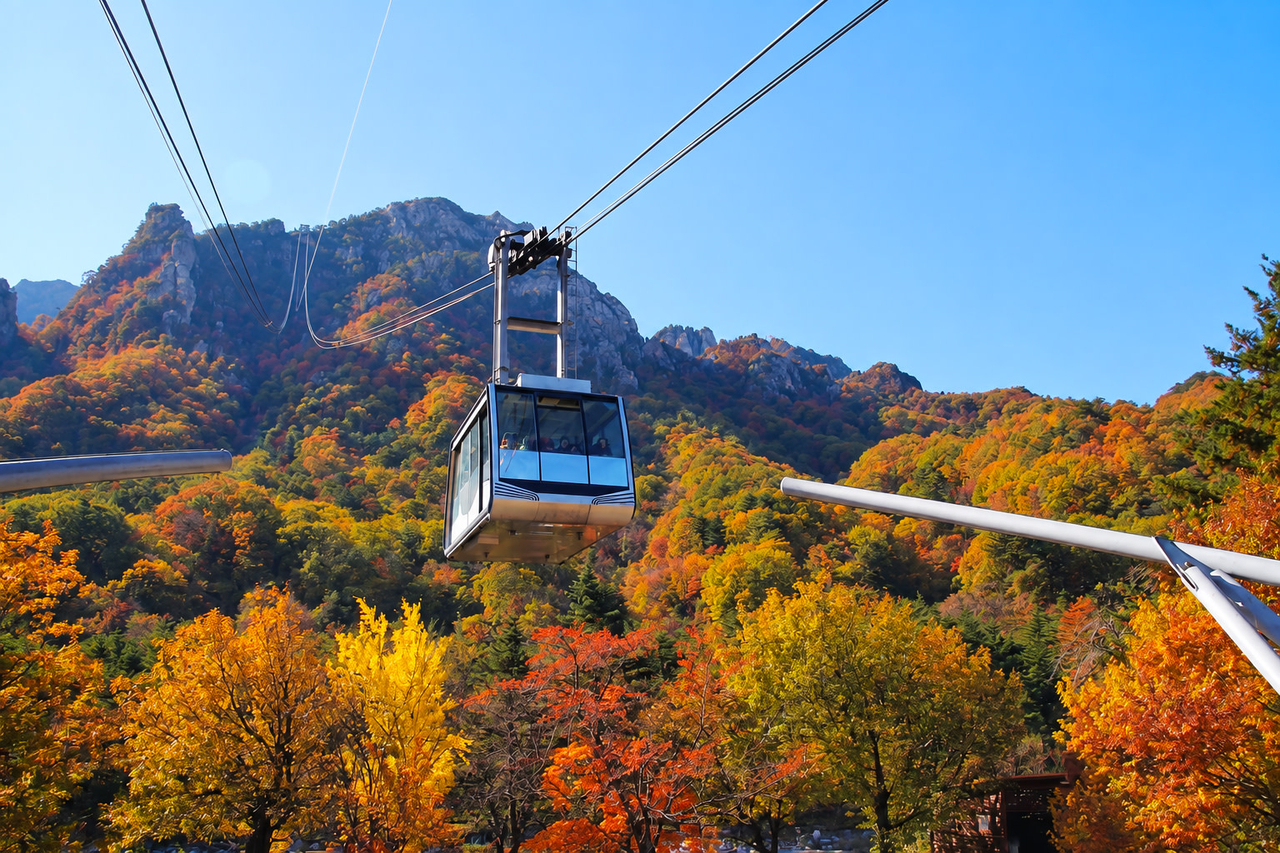
Travelers with more time head farther out. Seoraksan in Gangwon Province posted the highest traffic growth among hiking destinations on Klook, at 87 percent.
Korea’s mountain parks are as much cultural sites as natural ones. People lived in their valleys for centuries, leaving behind Buddhist temples and old fortress walls built to guard against invaders.
Hikers often rest at these sites along the way. On Bukhansan, trails follow the walls of Bukhansanseong, a mountain fortress. Doseonsa, a traditional temple on the mountain, offers guided programs for visitors.
Rental services at three hiking tourism centers in Bukhansan, Bugaksan and Gwanaksan operated by the Seoul Tourism Organization, aimed at foreign travelers who arrive without hiking equipment, are also drawing attention. On Klook, traffic for gear rental products rose 45 percent among US users and 145 percent among European users from a year earlier.
The park service has also built programs tailored for foreign visitors. For instance, Byeonsanbando National Park pairs coastal trekking with hanbok dressing and bibimbap making. In Gyeongju, visitors tour Bulguksa and Seokguram Grotto before trying their hand at baking traditional bread.
At the Bukhansan center, visitors can also walk the same forest trail strolled by Suga of BTS.
yoohong@heraldcorp.com