French automaker Renault Group plans to launch a South Korean-made electric vehicle with advanced driver-assistance technology in 2028, as it accelerates electrification and looks to boost exports from its Busan plant.
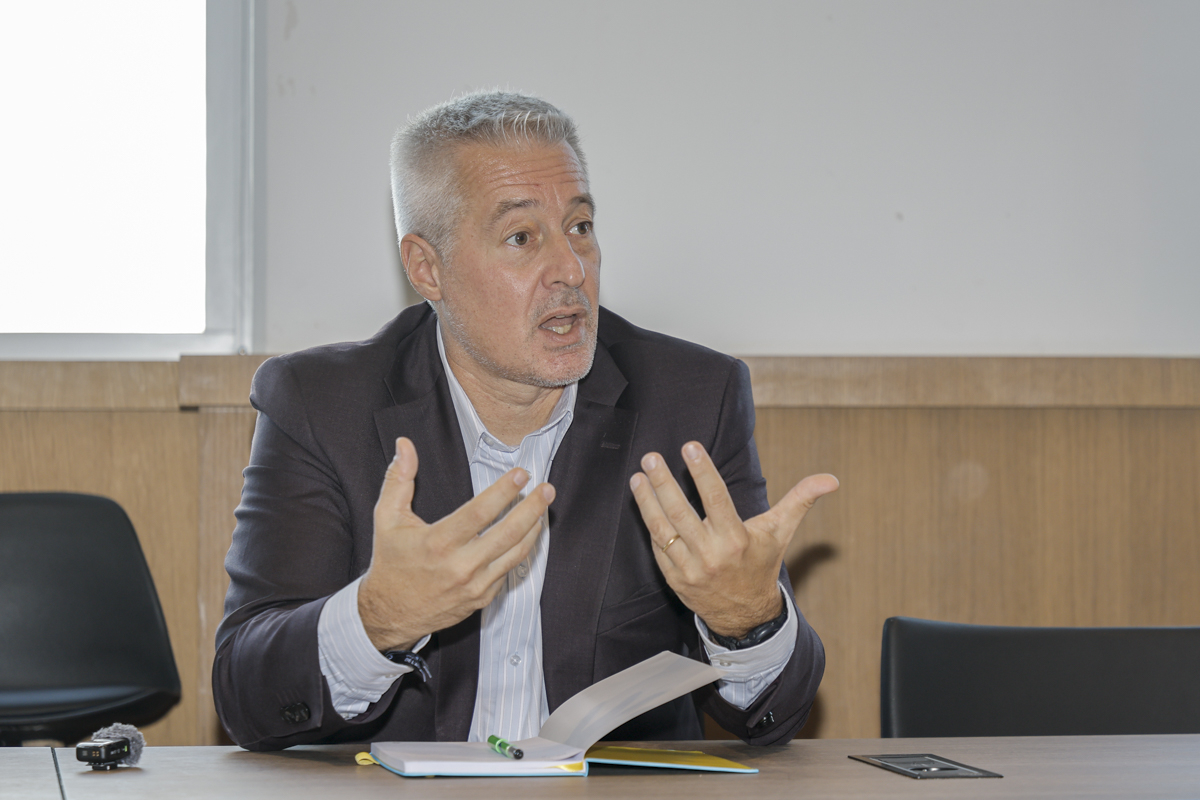
The company will introduce a new hybrid model in 2027 before rolling out the EV the following year, Renault executives said during an interview with Korean reporters at the 2026 Paris Motor Show on Monday, where the automaker unveiled its new electric van concept E-Space.
"South Korea is a very important and strategic market for us," said Ivan Segal, global sales and operations director of the Renault Brand, emphasizing the need to broaden the company’s lineup beyond its existing hybrid offerings.
Segal pointed to rising demand for electrified vehicles in South Korea, saying the company must strengthen its electric vehicle portfolio to remain competitive.
Renault currently produces hybrid-powered models at its Busan plant, including the Grand Kolos SUV and the Filante crossover, but has yet to manufacture a full electric model of its own at the facility.
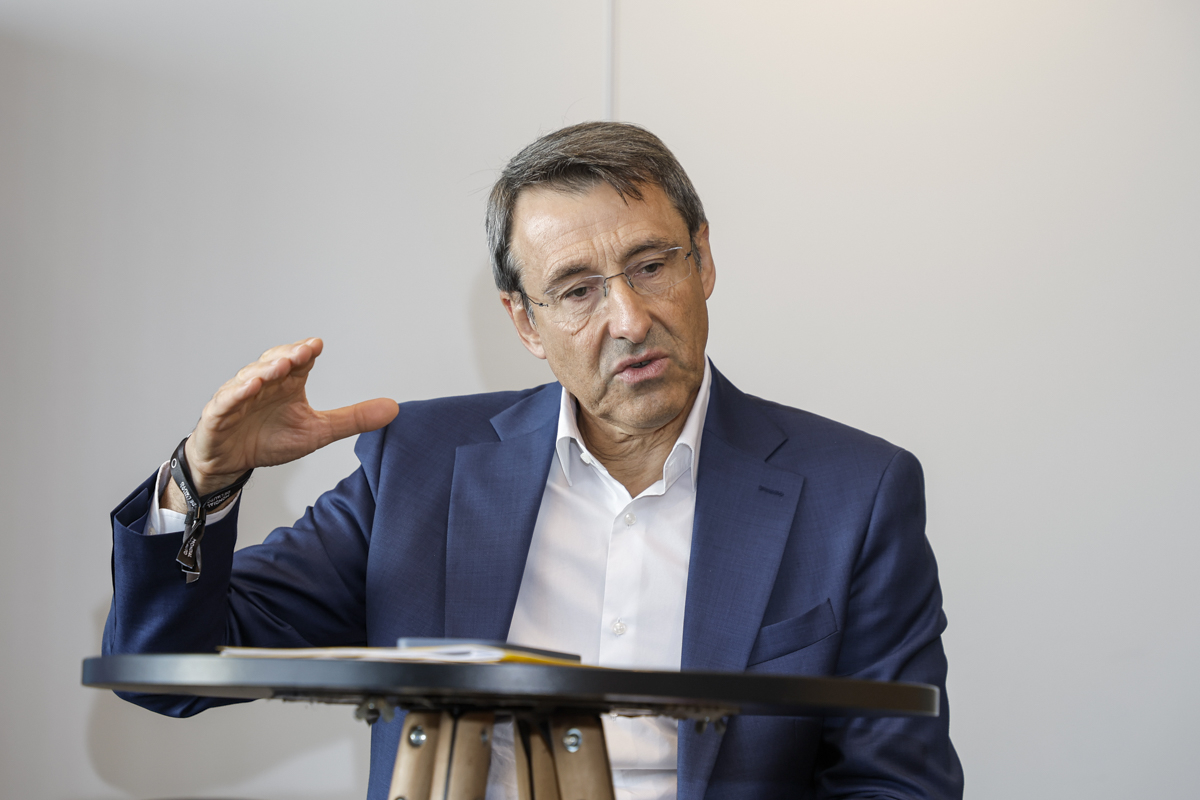
Philippe Brunet, Renault Group's chief technology officer, said the automaker intends to equip the next-generation EV with the advanced system as part of its broader push to integrate artificial intelligence into vehicle technology.
"That is our intention," Brunet said when asked whether the 2028 model would feature Level 2++ capabilities, which permit hands-off driving while still requiring driver supervision.
He added that Renault would adopt Level 2+ or Level 2++ technology depending on the vehicle model, while also developing its own urban navigation-assisted driving system, known as City NOA.
“We need to reach as many customers as possible, and to do that, we must be competitive, particularly on price,” Brunet said. “That doesn't mean we want to build inexpensive cars. We aim to offer the latest technology at competitive prices. That is our priority.”
Renault also aims to make its Busan plant a bigger global production and export hub, especially for midsize and larger vehicles. Segal described the facility as one of the group's most competitive manufacturing sites for C and D segment vehicles, stressing its potential to serve markets beyond South Korea.
"Our priority is to meet demand in the Korean market through the Busan plant," Segal said, adding that the facility is capable of producing vehicles for export worldwide.
The company sees South America as a promising destination, particularly Colombia, which has a free trade agreement with South Korea. Europe could also emerge as a potential export destination, he added.
sahn@heraldcorp.com