Proposed systems would pair AMD processors with local AI chips for global markets; Korean research center due by year-end
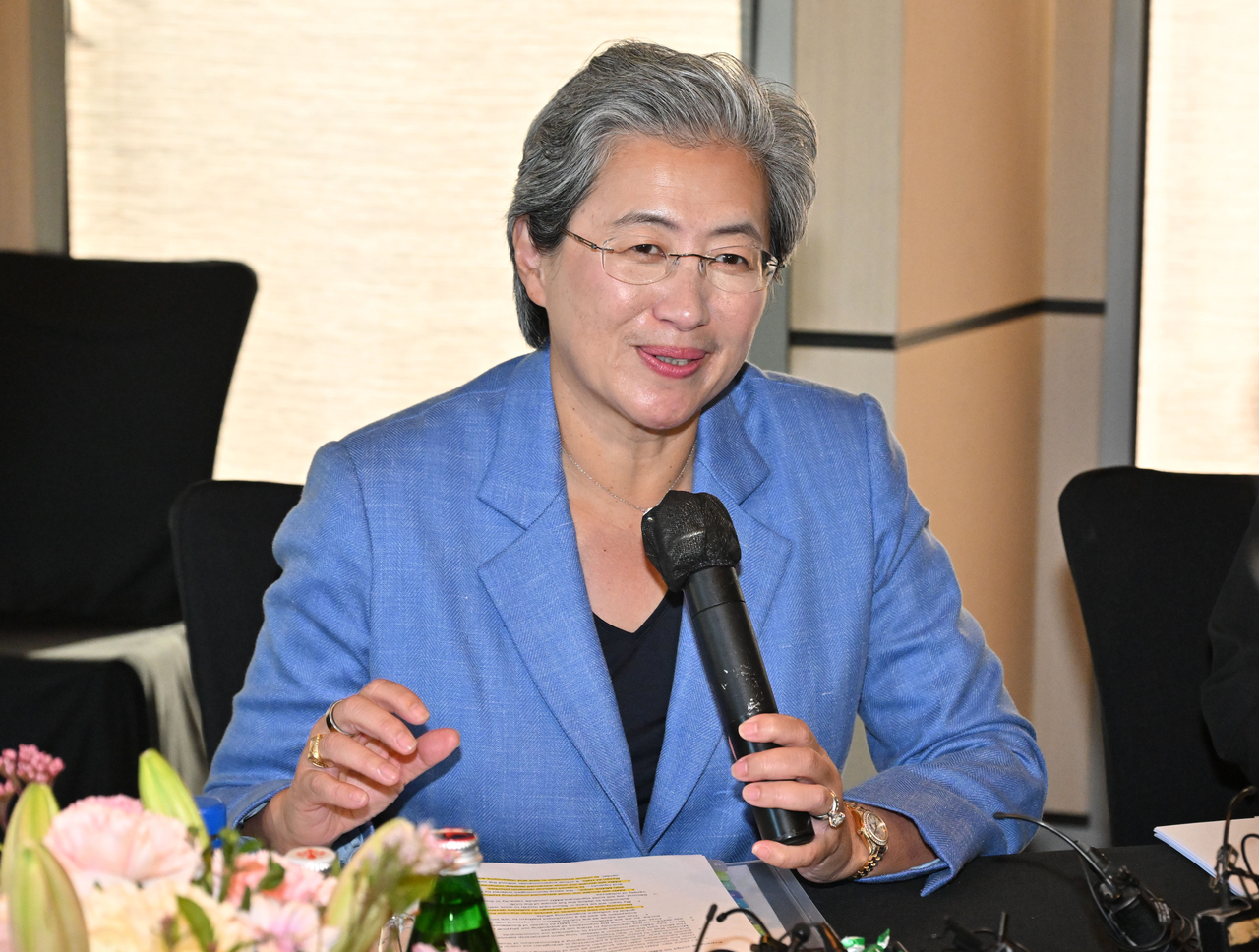
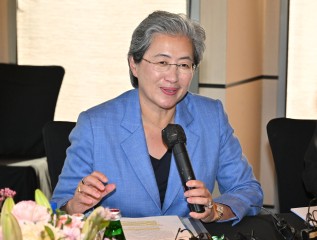
AMD Chair and CEO Lisa Su put Korean AI chips at the center of partnership talks in Seoul on Wednesday, exploring how they could work alongside AMD processors in systems built for global markets.
In meetings with Second Vice Science Minister Ryu Je-myung and executives from 13 Korean AI companies, Su discussed pairing AMD’s CPUs and GPUs with Korean neural processing units designed for AI inference. Demonstration projects in Korea would test the systems to develop a blueprint for overseas deployment.
The partnerships could expand AMD’s inference offerings and give Korean chipmakers a route to global customers, broadening AMD’s challenge to Nvidia in AI computing.
“I am a big believer in an open ecosystem,” Su said, describing Korea as an important partner in advancing AI and expanding its use worldwide.
The discussions reflect a broader shift in AI competition toward complete computing systems that combine chips, software and cloud infrastructure. Participants also explored joining AMD’s open-source ROCm software ecosystem, which competes with Nvidia’s CUDA platform.
Ryu said AMD’s global reach and Korean companies’ technological expertise could support new AI technologies and businesses while helping the country’s AI chip industry expand.
The talks followed a cooperation agreement signed by AMD and the science ministry in July, during President Lee Jae Myung’s visit to an AI summit in San Francisco.
Returning to Korea seven months after her previous visit, Su reaffirmed plans to establish an AI Center for Excellence in the country by year-end and hire hundreds of researchers. AMD will fund hardware for the center, whose location has yet to be selected, according to the ministry. The company will also continue supporting graduate-level AI training.
Su said AMD is investing in local computing capacity for startups and other users, citing its first cloud infrastructure project with MangoBoost. She also highlighted a recent agreement with Seoul National University’s AI Institute and pledged to expand partnerships with Korean universities and startups.
The roundtable brought together companies working across AI chips, software and cloud services: FuriosaAI, HyperAccel, DeepX, Mobilint, MangoBoost, Panmnesia, Dnotitia, Moreh, Nota AI, Lablup, Fadu, Elice Group and Upstage.
Su later attended AMD’s Gamer Day event with Jack Huynh, senior vice president of the company’s computing and graphics group, to showcase gaming technology and hear from Korean gamers.
She was also expected to meet Samsung Electronics Vice Chairman Jun Young-hyun, who heads its semiconductor business.
During her March visit, Su met Samsung Electronics Chairman Lee Jae-yong and signed a cooperation agreement with Jun. AMD named Samsung a preferred supplier of HBM4 memory for its MI455X AI accelerator, and the companies explored having Samsung manufacture future AMD chips.
herim@heraldcorp.com