46-day test finds lasting appeal in sleep tracking and comfort, but subscription costs weaken case against Samsung’s Galaxy Ring
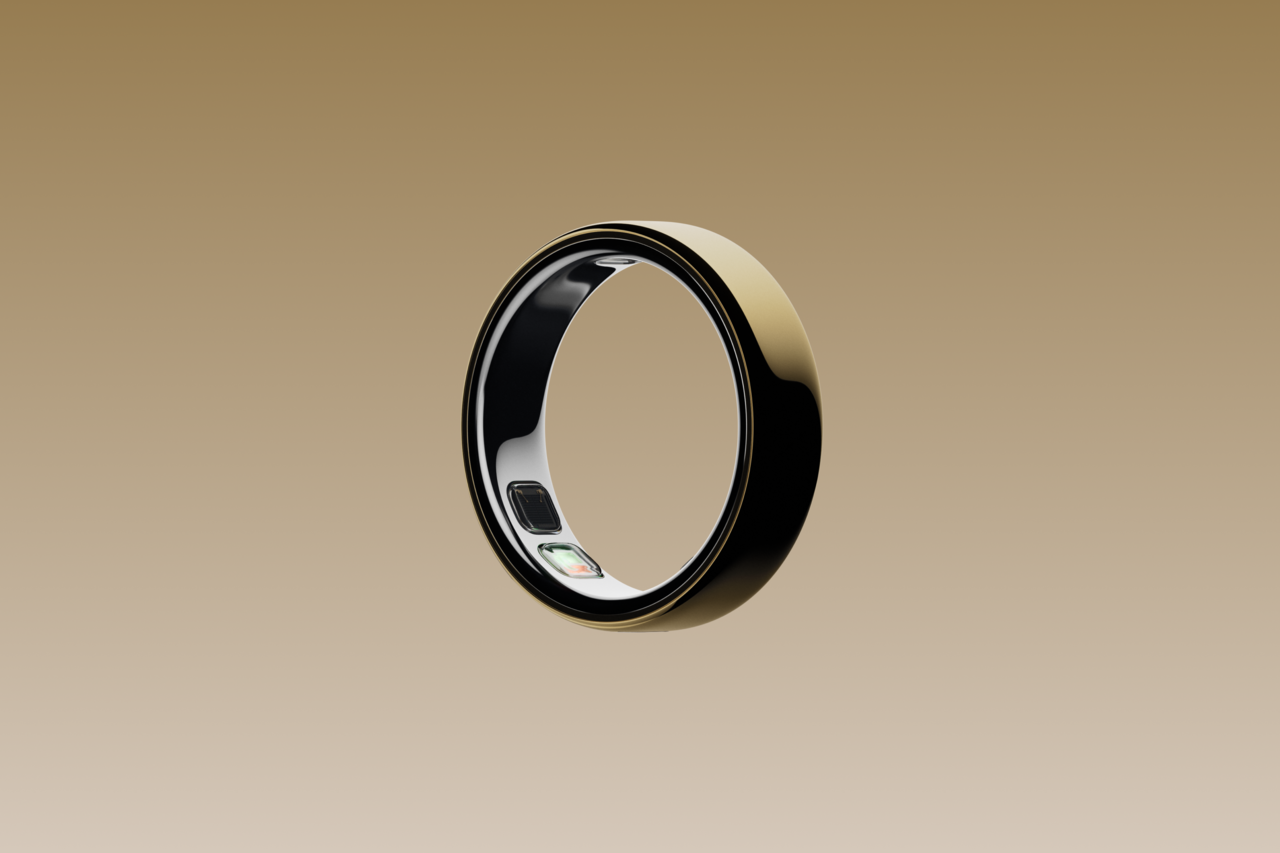
The Korea Herald tested the gold Oura Ring 5 for 46 days to see whether its sleep insights and everyday comfort justified its premium price.
One night brought its appeal into focus. After barely sleeping on Aug. 25, this reporter opened the app to find a sleep score of 36: 2 hours and 7 minutes of sleep, 69 percent efficiency and just 17 minutes of REM.
The numbers told little that was not already evident. But they made the problem harder to dismiss.
From Aug. 18 through Friday, the ring stayed on through commutes, showers, workouts and sleep. Celebrity wearers including BTS’ V and Blackpink’s Lisa may attract attention. Its biggest selling point for The Korea Herald was simpler: It stayed on.
This reporter owns a Samsung Electronics Galaxy Fit 3 that tracks sleep, but rarely wears it to bed. Within days, Oura felt like an ordinary ring.
At 6.09 millimeters wide and about 2.28 mm thick, it is slimmer than Samsung’s Galaxy Ring. A full charge lasted about eight days.
Making sleep count
Sleep was the first section The Korea Herald opened. Oura combines sleep stages, efficiency, resting heart rate and heart rate variability into a daily score. Its Sleep Debt feature estimates the shortfall against individual needs.
It is not hard to tell when you are not sleeping enough. Yet watching the deficit grow was different. Some nights, the reporter went to bed earlier just so the number would not rise again.
As the ring established the baseline, other readings became more useful. On a hectic workday, it recorded four hours and 45 minutes in a “stressed” state and none “restored.” This became a comparison to the usual pattern, not a medical judgment.
The Samsung question
For Korean buyers, Samsung’s Galaxy Ring is the obvious rival.
Oura offers broader women’s health tools, covering cycle tracking, fertility windows and ovulation, alongside pregnancy and perimenopause-related features. Samsung also supports cycle and ovulation predictions using overnight skin temperature.
Samsung’s advantage is integration: Galaxy Ring readings join existing records in Samsung Health without a separate subscription.
Oura works with iPhones and Android phones, but its flexibility comes at a price.
The Galaxy Ring lists at 499,400 won ($372) in Korea. Oura starts at 630,000 won, rising to 780,000 won for premium finishes.
Deeper analysis costs another 9,400 won monthly or 110,000 won annually, bringing the cheapest model to 740,000 won in the first year with an annual plan.
That is the catch: Oura’s software is a major reason to buy it, but it is also a recurring expense. Some longer-term reports are also available only in English.
Better at bedtime
During exercise, the ring’s simplicity becomes a limitation. Without a display, the user can not glance down to check heart rate, pace or distance.
At night, The Korea Herald wanted the ring. During a workout, the watch was the thing.
If you comfortably wear a smartwatch to bed, another expensive wearable is hard to justify. This reporter's problem was that she owned a sleep tracker, but disliked sleeping with it.
Oura closed that gap. Its value lay less in how much it measured than in how consistently it was worn.
It is an expensive way to build a habit. But it is a habit that stuck: By Friday, the first question on waking was, “What was the sleep score?”
yeeun@heraldcorp.com