Speakers at Herald Business Forum call for new memory architectures and stronger computing and energy infrastructure to meet soaring AI demand
South Korea must develop new technologies and standards to compete in artificial intelligence, industry leaders said Tuesday, warning that advances in memory, computing and infrastructure must keep pace with rapidly growing AI demand.
Speaking at the Herald Business Forum 2026 at The Shilla Seoul, executives and researchers outlined challenges ranging from memory bottlenecks to corporate adoption of AI. The opening session, “The Golden Engine of the AI Revolution: Semiconductors,” examined the technologies underpinning the industry’s next stage of growth.
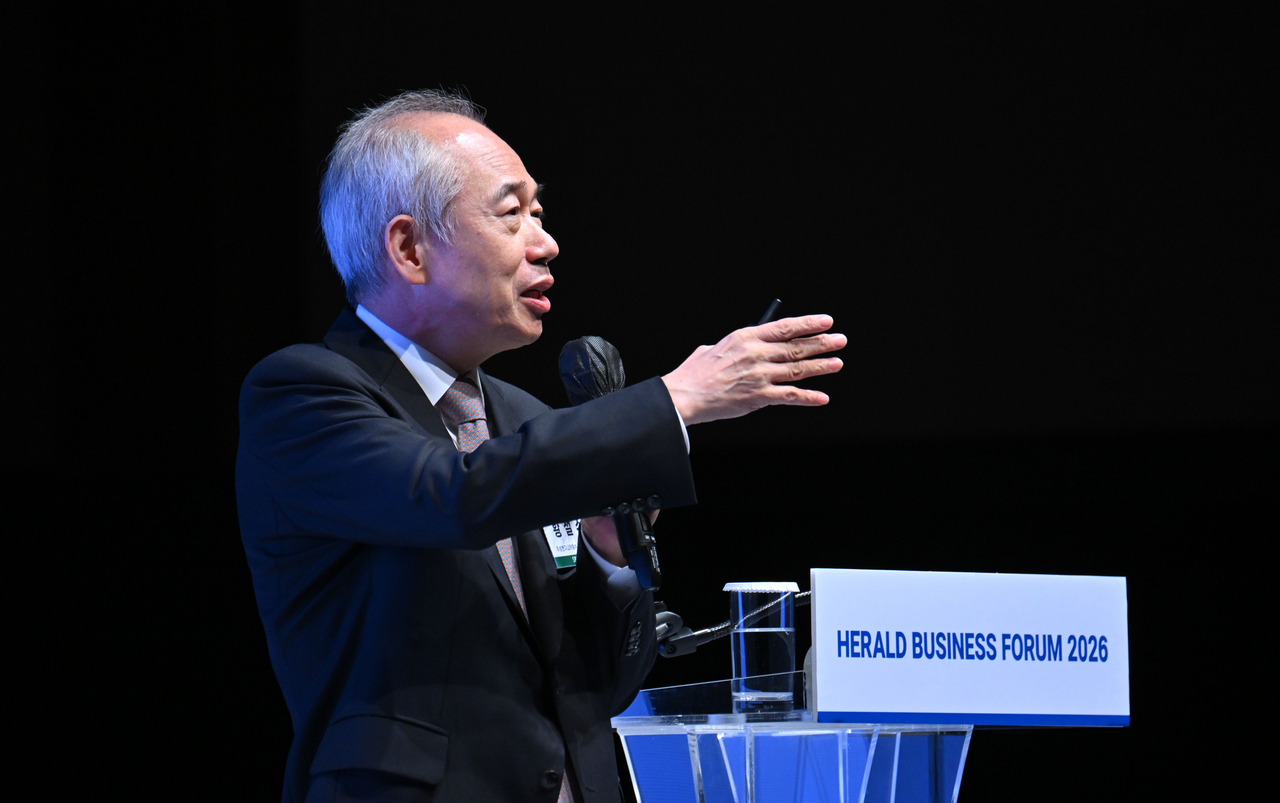
Jusung Engineering Chairman Hwang Chul-joo said Korea’s traditional fast-follower strategy would no longer be enough.
“Korea has grown by quickly following knowledge, technologies and markets created by others,” Hwang said. “But now, we need to create new standards for greater growth.”
Companies must set their own technological direction rather than merely improve existing solutions, he said, stressing the need for a clear philosophy and long-term vision.
For memory makers, the challenge is an expanding gap between AI workloads and the hardware needed to support them.
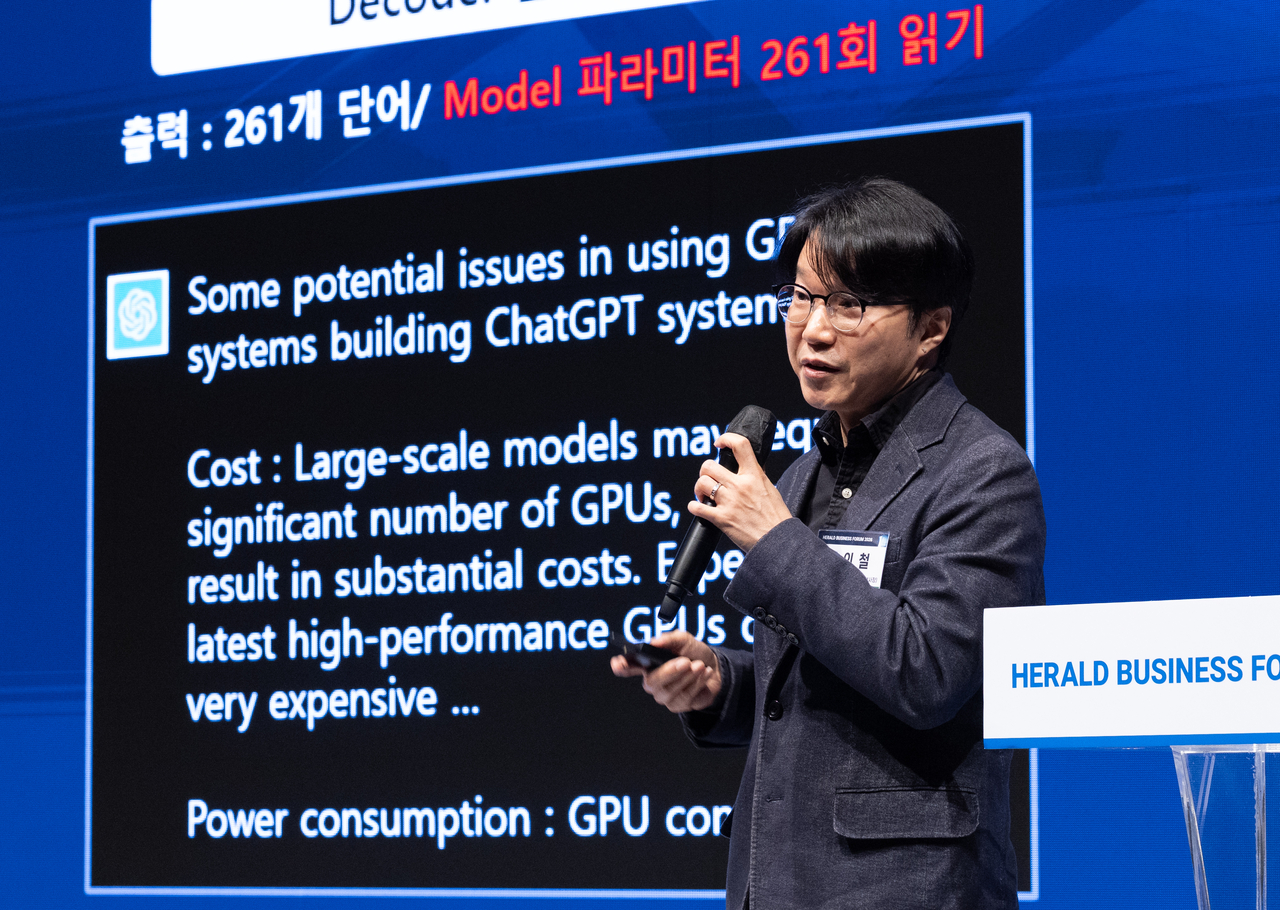
Lim Eui-cheol, vice president of solution AT at SK hynix, said computing demand was far outstripping gains in processor performance and memory capacity.
“AI model-related computing requirements are increasing about 25 times every two years, while GPU performance has increased about three times and memory capacity about 1.6 times,” Lim said.
That imbalance makes memory a bottleneck in AI systems, increasing the importance of advanced solutions such as high-bandwidth memory, or HBM, he said.
Kim Kyung-ryun, vice president of DRAM product and technology at Samsung Electronics, said larger AI models and rising user expectations were putting further pressure on memory technology.
“People’s expectations are becoming significantly higher,” Kim said, pointing to demand for faster responses and greater computing efficiency.
Existing memory technologies cannot fully meet those demands, he said, calling for new approaches to memory architecture.
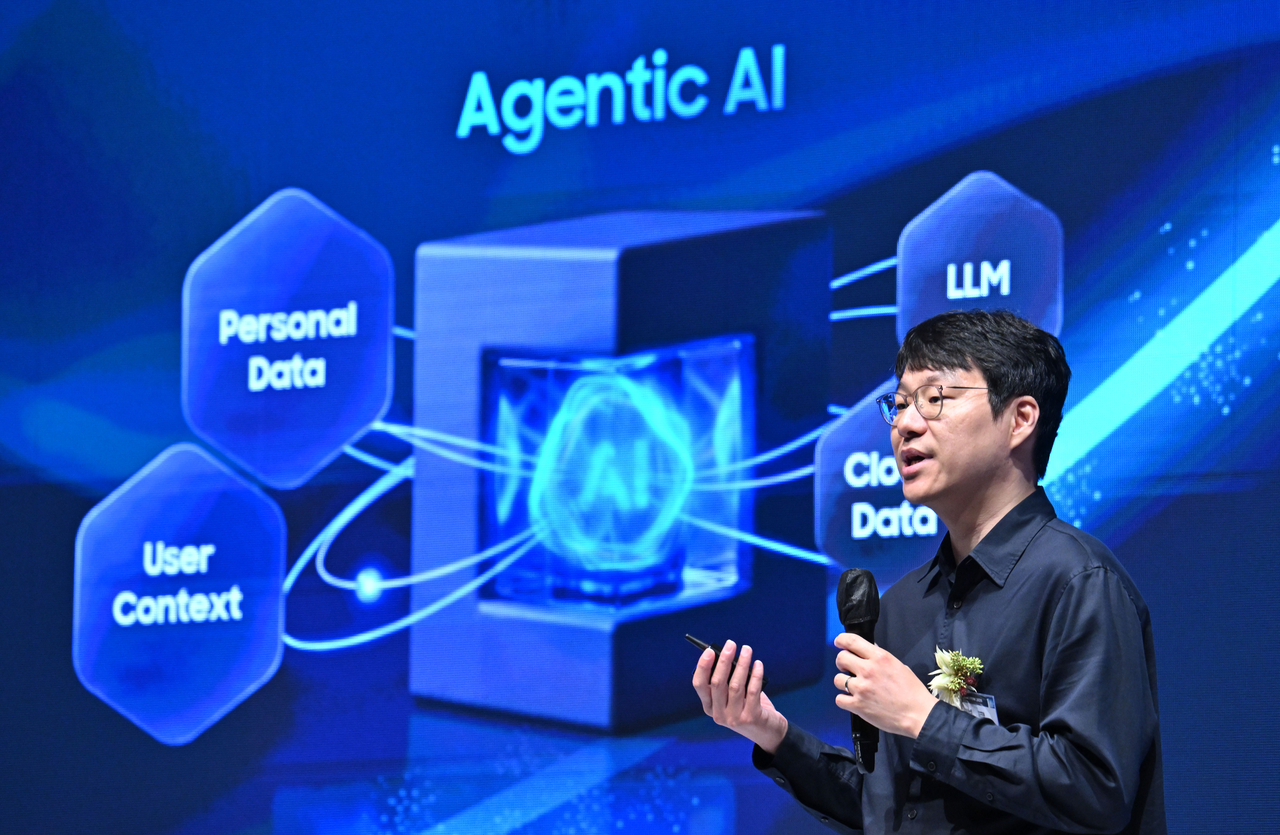
Beyond hardware, LG AI Research Vice President Lee Hwa-young outlined how AI agents could improve productivity by easing coordination across corporate departments.
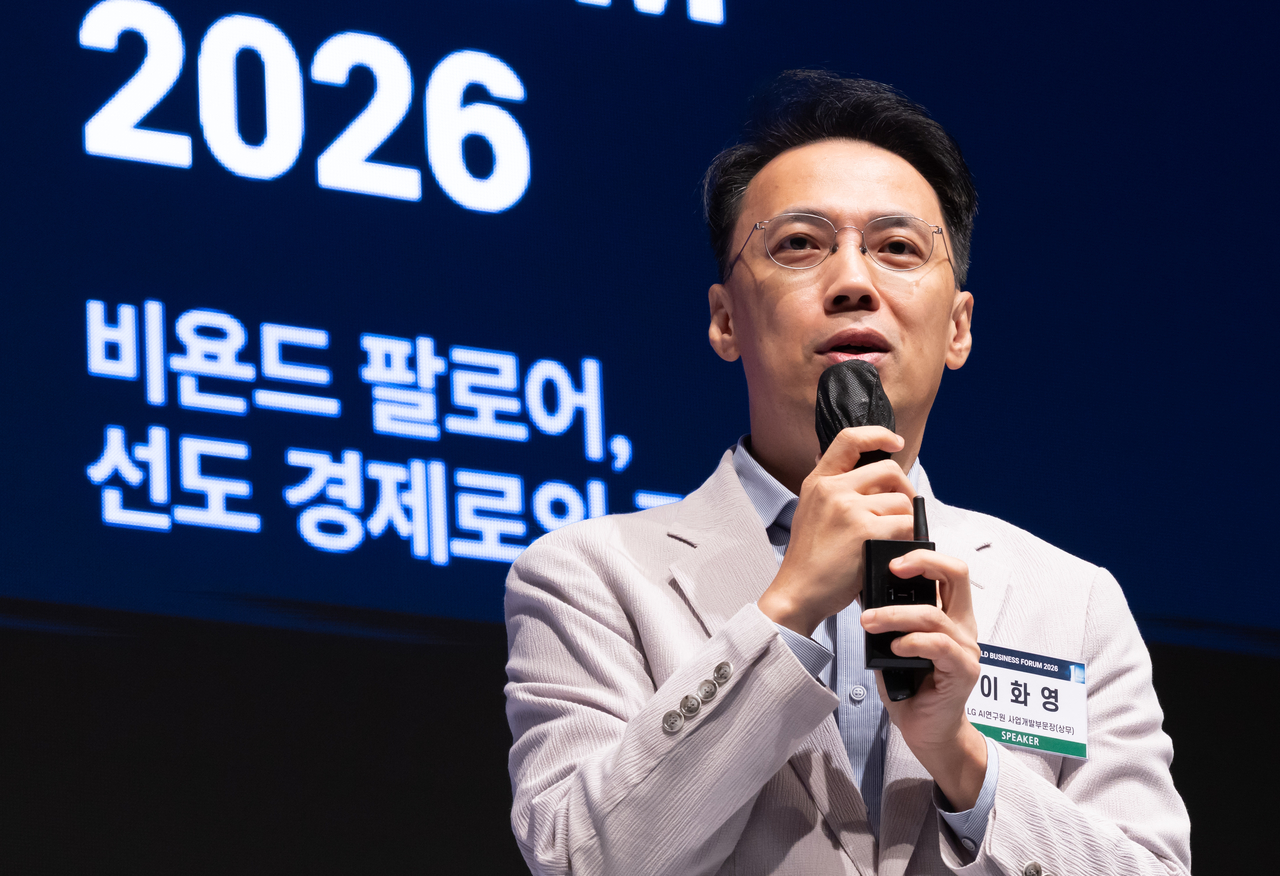
“When AI agents enter organizations, they can reduce delays between departments and help us achieve our goals faster,” Lee said.
Natural-language interaction is also changing how people use computers, allowing them to communicate with machines without relying on traditional programming methods, he said.
Kwon Seok-joon, associate professor at Sungkyunkwan University, said AI competitiveness ultimately rests on both computing resources and energy infrastructure, alongside advances in models.
“We need to understand these two factors together, because neither one alone is sufficient,” Kwon said, referring to computing and energy.
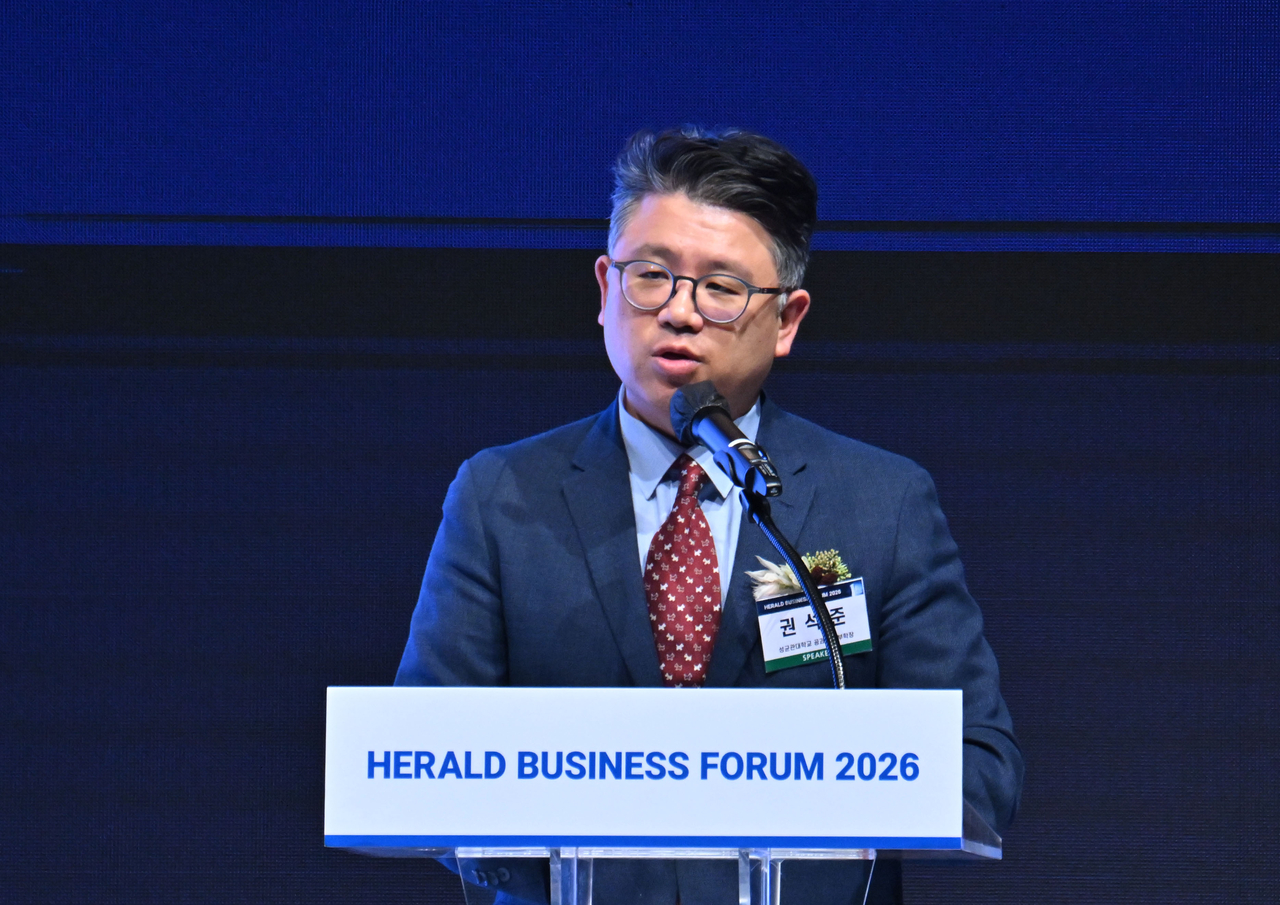
His remarks broadened the discussion from individual technologies to the physical infrastructure needed to operate increasingly demanding AI systems at scale.
AI and semiconductor capabilities are increasingly being treated as strategic assets as countries compete for technological leadership, he added.
yeeun@heraldcorp.com