Russian and South Korean artists share Seoul stage despite diplomatic and security challenges
Russian and South Korean artists shared a stage in Seoul on Friday, keeping cultural exchanges alive at a time when relations between the two countries face political and security challenges.
The Russia-Korea Festival of Culture and Arts, held Friday at the National Gugak Center, presented performances and exhibitions by artists from both countries.
The event took place amid a diplomatic landscape that has changed considerably since the war in Ukraine began in February 2022.
South Korea joined international sanctions against Russia, while Moscow's growing military cooperation with North Korea has emerged as a particular concern for Seoul.
Despite those differences, both governments have emphasized the importance of maintaining communication.
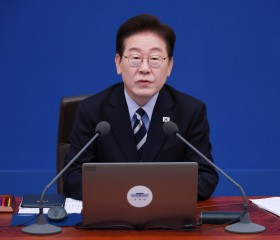
President Lee Jae Myung has previously stressed the importance of continued dialogue with Russia, while Russian President Vladimir Putin has expressed hope of restoring relations with South Korea.
Cultural exchanges have remained a channel for maintaining people-to-people ties between the two countries.
"Today, maintaining cultural and humanitarian relations between Russia and the Republic of Korea is more important than ever," Nikolai Kropachev, rector of St. Petersburg State University and chairman of the Russian side of the Russia-Korea Dialogue Forum, said in video remarks.
"Culture is a bridge that enables us to understand and respect one another," he said.
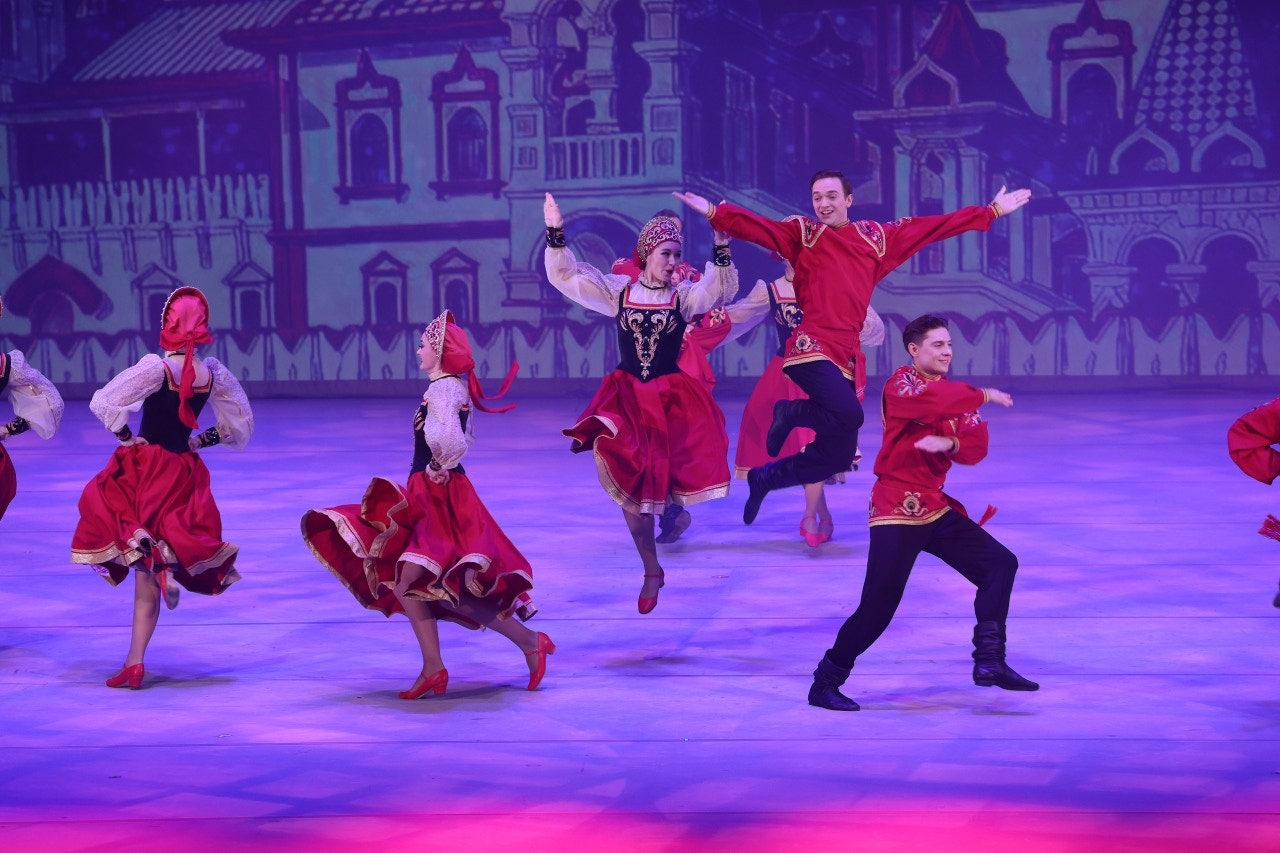
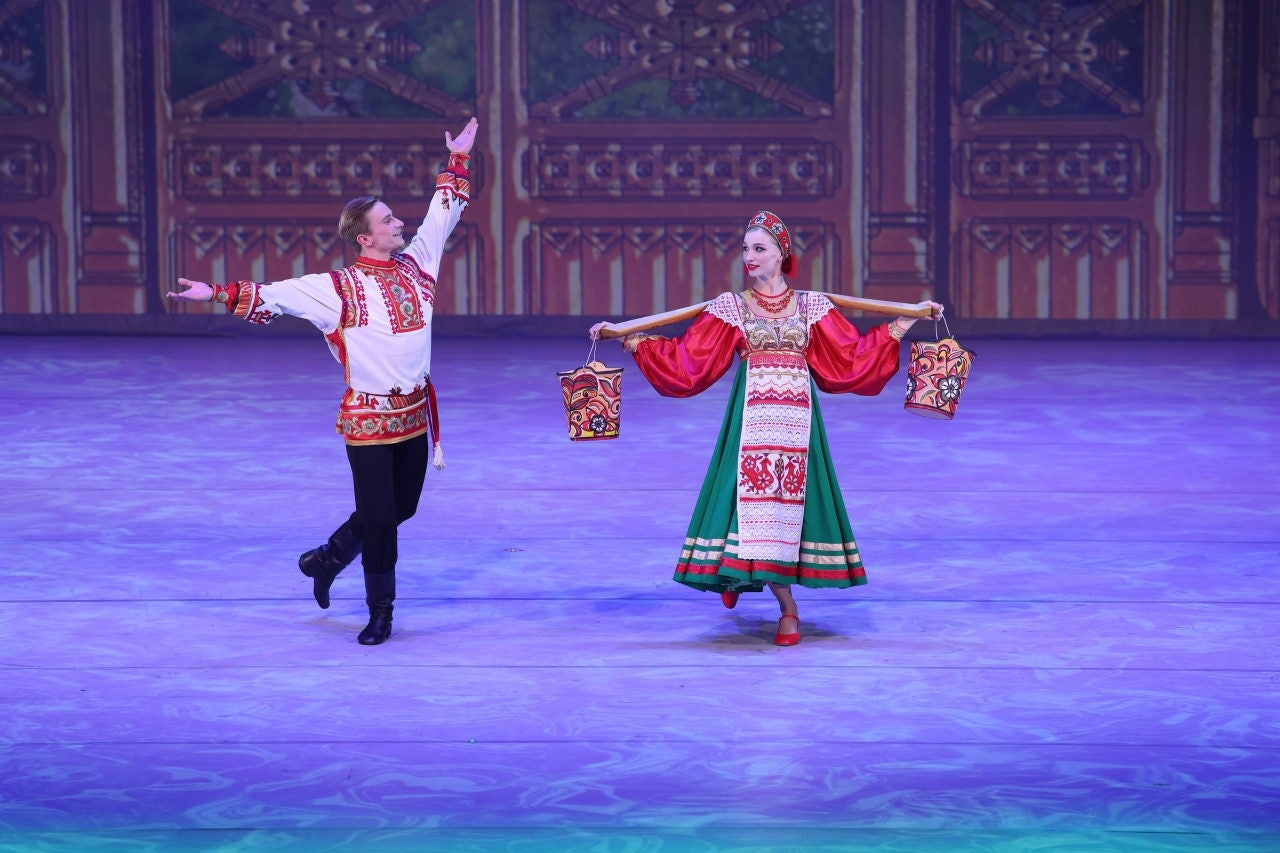
The festival featured the Moscow State Academic Dance Theater Gzhel, which presented "Dance Through Time" and a program of Russian folk dances.
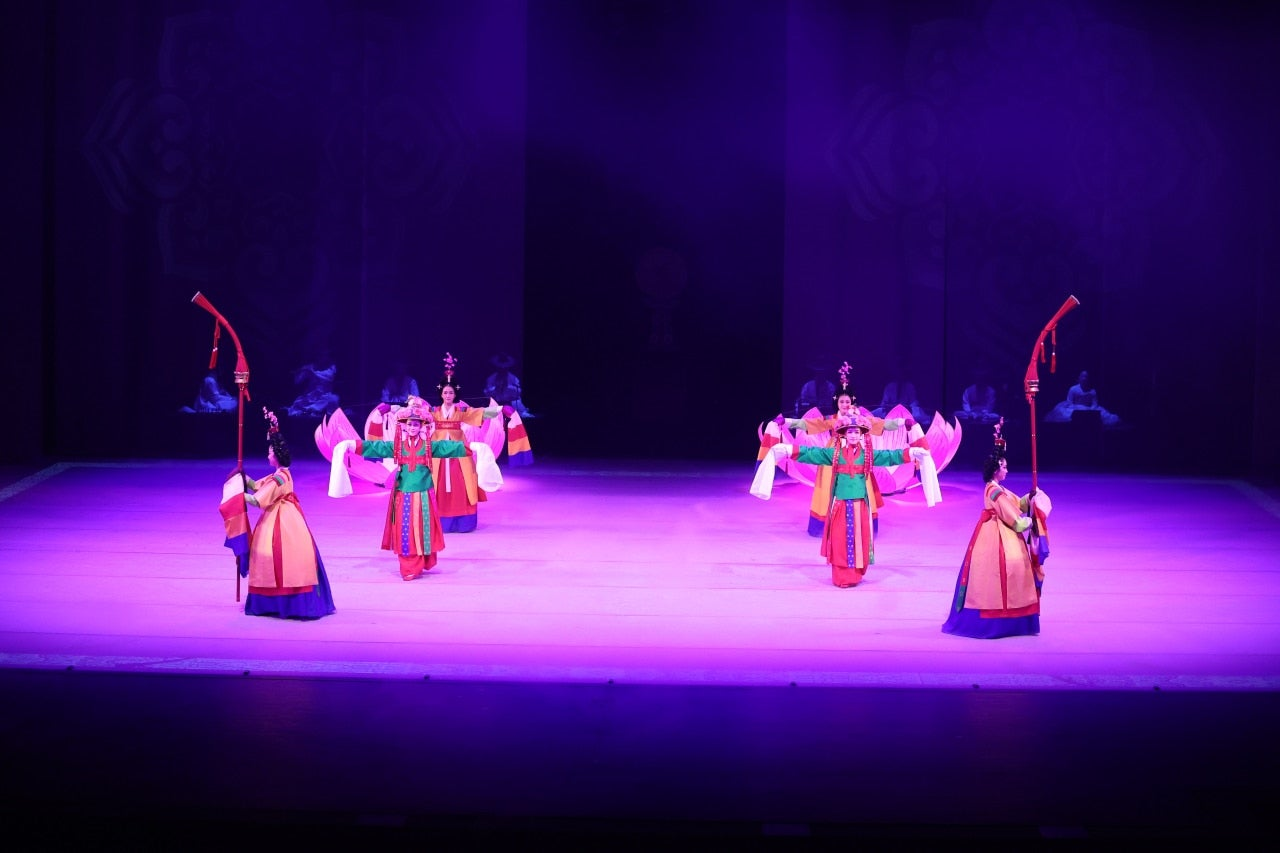
South Korean artists from the Korea Culture Art Promotion Association staged a production based on Anton Chekhov's "The Seagull," the original work "Connection Turned into Flame" and "The Palace," a production drawing on traditional Korean dance.
Gzhel Director Marina Kuklina described dance as "a language that requires no translation" at the concert.
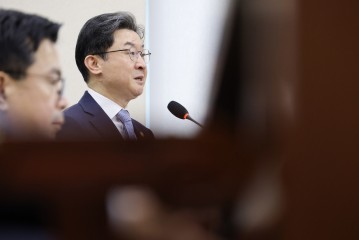
Former South Korean Culture Minister Park Yang-woo also pointed to the role of culture at a time of political difficulty.
"Even when the language of politics and diplomacy encounters walls, the language of culture can cross borders," Park said.
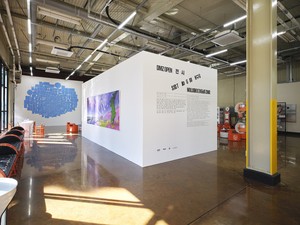
The festival also included a photo exhibition exploring similarities between Russian and Korean traditions.
Organizers said more than 1,000 people attended over the two days, including diplomats, academics, cultural figures and members of the Russian community in South Korea.
Meanwhile, Woo Yoon-keun, chairman of the Korean side of the Russia-Korea Dialogue and a former South Korean ambassador to Russia, acknowledged the "challenging circumstances" surrounding bilateral ties.
Launched in 2010, the dialogue is a bilateral forum that promotes exchanges between Russia and South Korea in politics, business, education, culture, media and youth affairs.
Cultural and artistic exchanges, Woo said, could help Russians and Koreans better understand and empathize with each other.
sanjaykumar@heraldcorp.com