The Emmy-winning designer argues creating genuinely novel experience is the key to surviving the age of AI
We live in an era when high-quality video no longer surprises anyone. With a single prompt sent to a free AI video generator, almost anyone can become a content creator and churn out content in seconds.
In such an age, then, what is left for motion graphic designers to do?
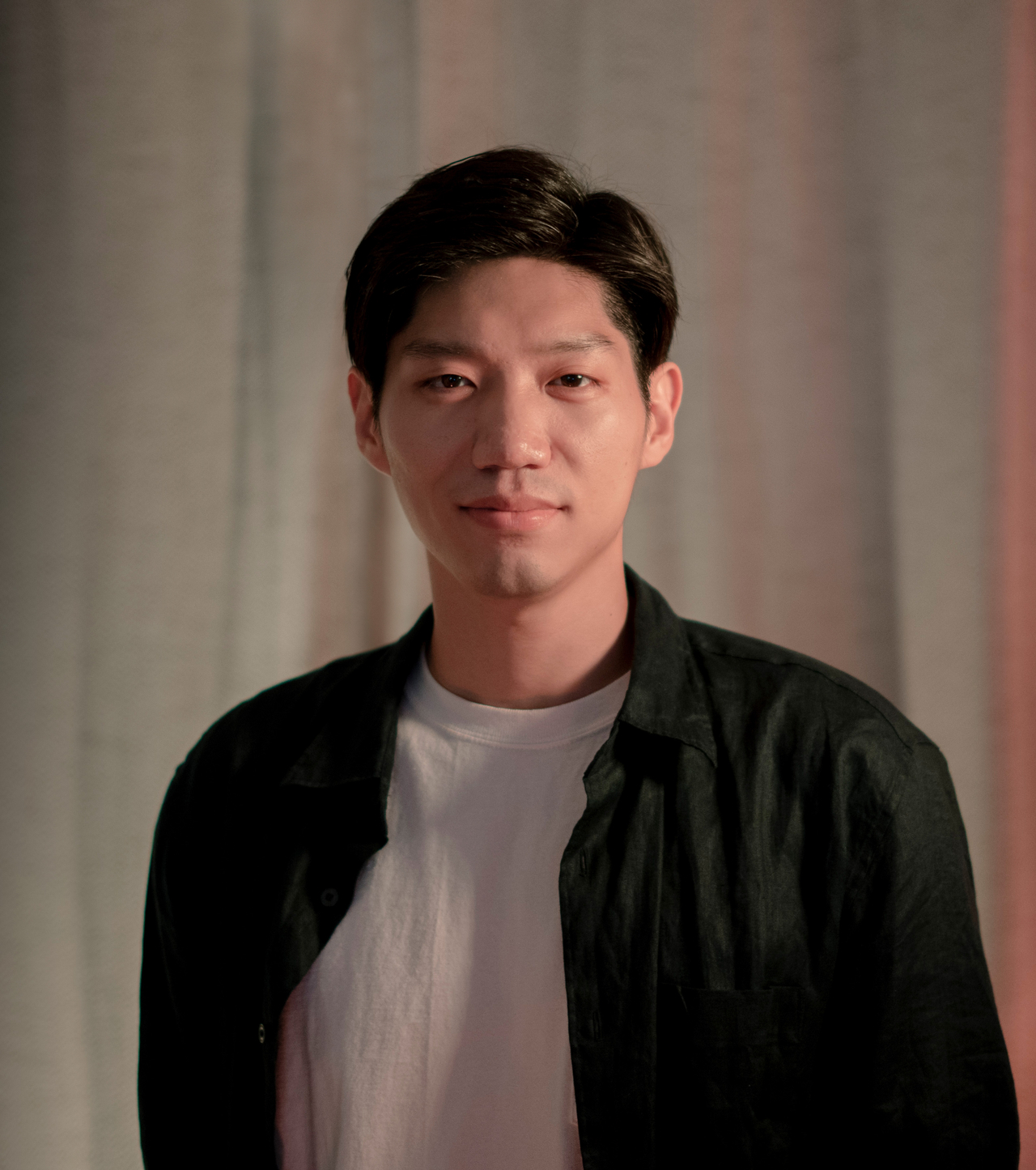
According to award-winning motion graphic designer Kim Gryun, today's practitioners have a responsibility to build truly original content — such as a video that audiences can actively influence, almost like living, interactive worlds.
On Oct. 2, Kim will join Grammy-winning designer Stefan Sagmeister at Herald Design Lounge 2026 to unveil his latest ideas and discuss the evolving future of design alongside fellow industry leaders.
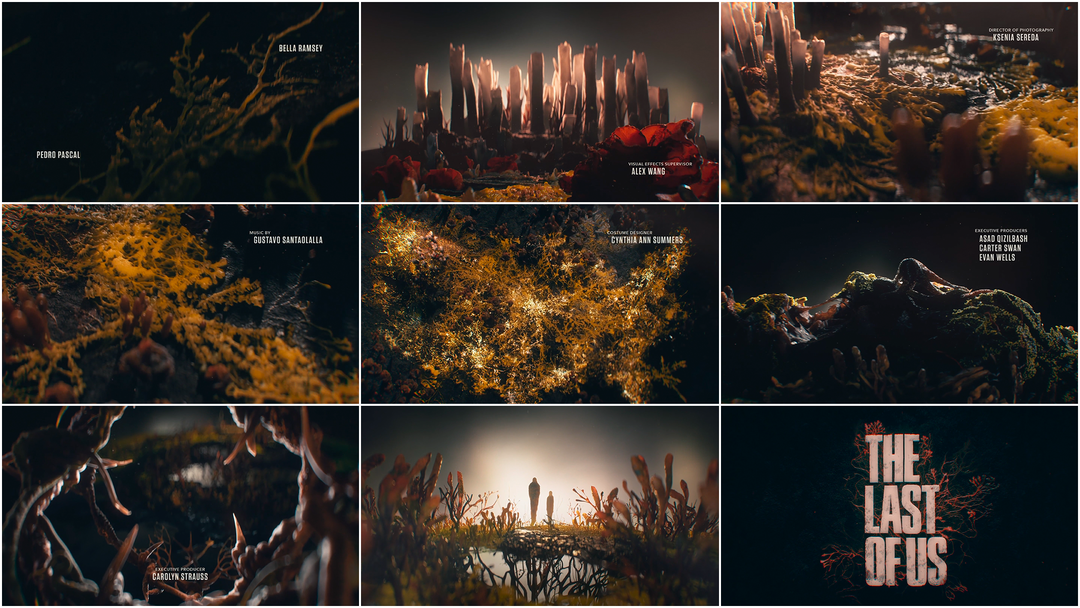
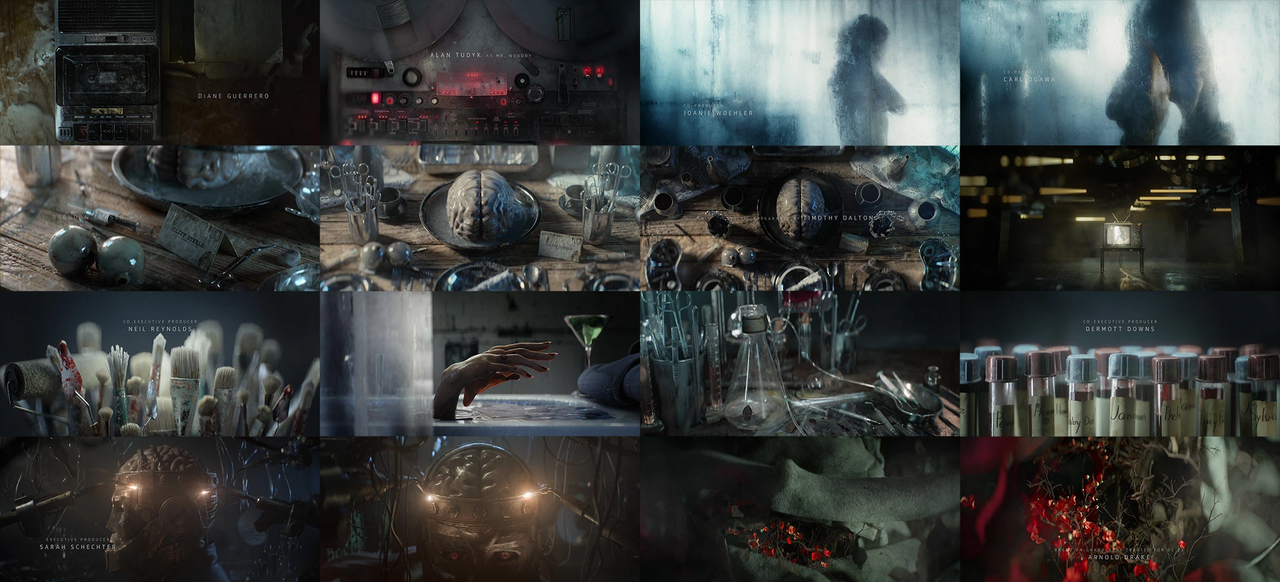
Based in Los Angeles, Kim currently builds prototypes for Apple TV during the content production stage. He also served as lead animator at the award-winning design studio Elastic, crafting main title sequences for shows like HBO’s "The Last of Us" and "Doom Patrol." His work on "The Last of Us" earned him an Emmy Award for outstanding main title design in 2023, the same year he took home an Emmy for outstanding interactive program for his work on Apple TV+’s "For All Mankind" Season 3 Experience.
Shaped by years of experience in motion graphics, Kim asserts that the defining skill for creators in the AI age is the capacity to conceive and create original work outside existing frameworks.
"I think the ability to combine different genres and technologies is particularly important," Kim said in a written interview with The Korea Herald on Sept. 9. "Rather than thinking of video as video, games as games and the web as the web, it's about combining the strengths of each to create experiences that didn't exist before."
One area that has increasingly captured his interest is interactive content that asks audiences to actively engage with and influence what they are experiencing.
"I'm a designer who has traditionally worked with video and 3D design, but recently I've been using vibe coding to create content that audiences can move through and respond to themselves," Kim said. Vibe coding refers to an approach to software development in which users describe an idea or requirement in natural language and AI generates the code needed to implement it.
"At the (forum), rather than simply showing how AI can be used to make videos faster, I want to show through actual projects what kinds of new forms of content can emerge when coding and AI are combined with existing design skills."
One project Kim is currently exploring is an AI-powered interactive short film.
"The audience doesn't simply watch the film. They make choices, and their choices change the experience or the outcome," he said.
"I'm also interested in a form that borrows from games, rather than following one complete, predetermined story, but in which the world itself is alive and constantly changing, and that becomes the work."
"Instead of having a fixed answer or ending, I want to create content in which events continue to unfold and respond to the audience's actions, existing almost like an ecosystem," he said.
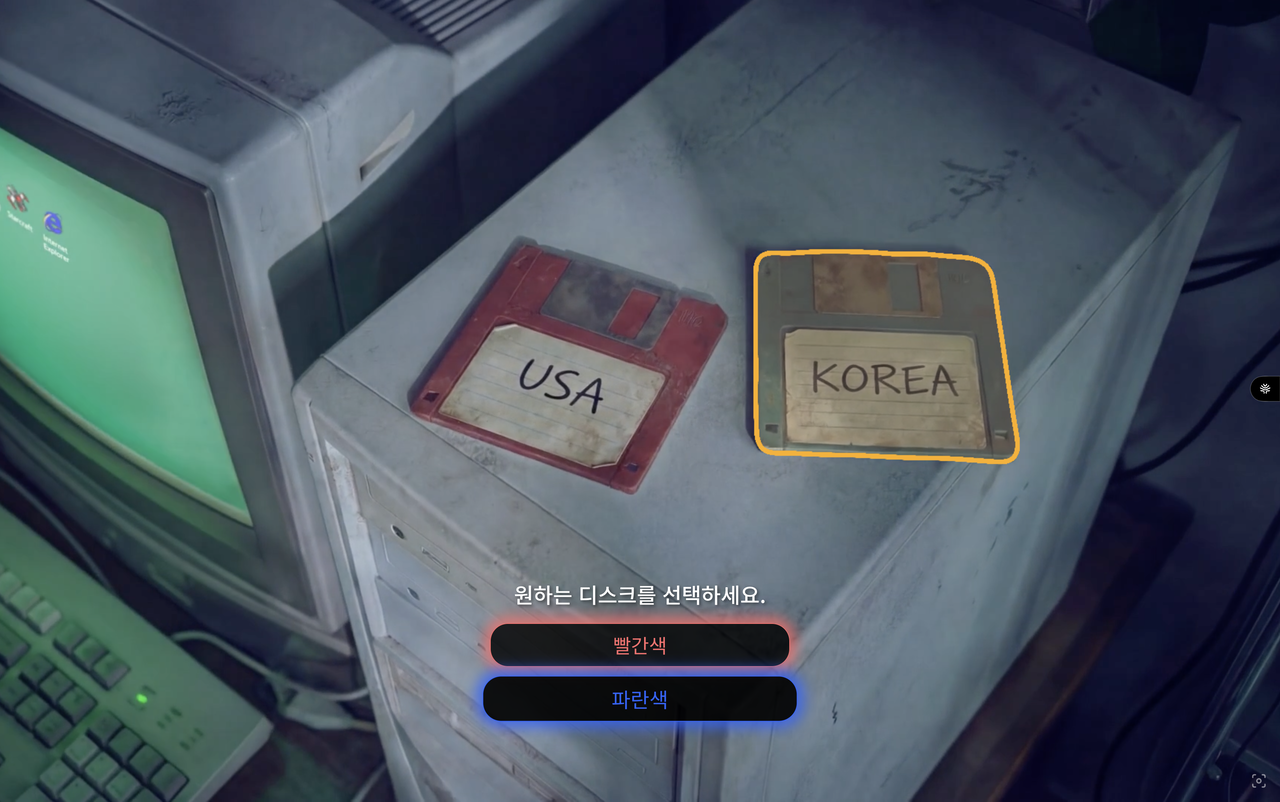
For Kim, AI has opened doors to creative possibilities that were once difficult or even impossible to reach. With those barriers falling, he believes the next challenge is for creators to determine how to use those new possibilities to push their work further. And that, he argues, requires a shift in how creators think about their role.
Rather than focusing solely on how well something can be made, Kim believes the AI era will place greater emphasis on what is worth creating in the first place.
“I think that in the AI era, creative judgment, such as deciding what to create that is genuinely new, and the ability to think across different genres will become more important than simply how well something can be made,” he said.
At the same time, he argues that the greater the changes become, the more important it is to reconsider the fundamental skills that creativity requires.
"It’s not simply about how well we can use the tools, but about our ability to define a problem, determine which direction is right, and decide what is worth creating."
yoonseo.3348@heraldcorp.com