Vicent Creux, an Equatorial Guinean student at BUFS, hopes to turn his growing profile into closer ties between the two countries and, one day, his country’s first embassy in Korea
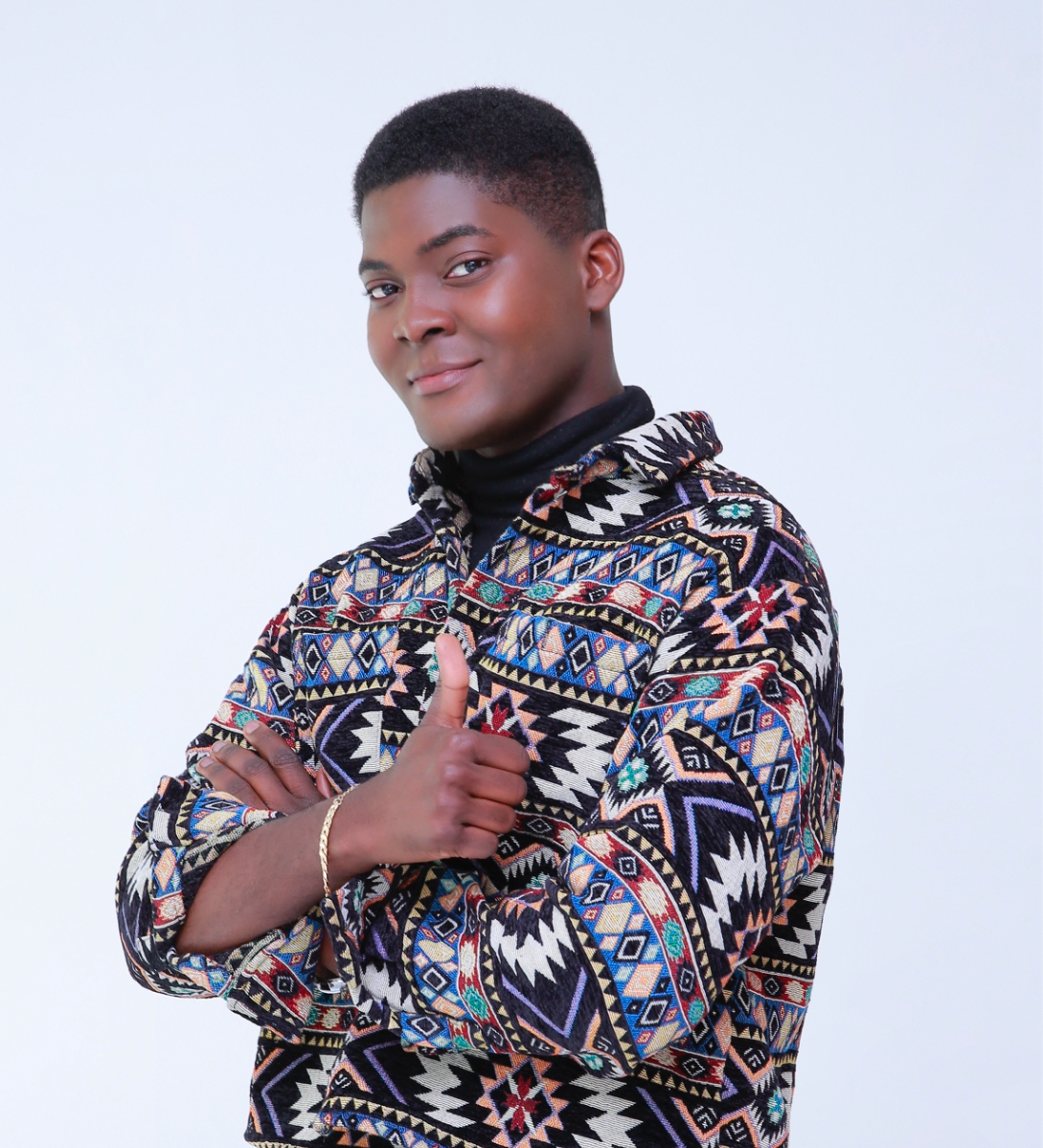
Vicent Creux, better known by his Korean name Onyu, knows why Koreans are drawn to him.
The 25-year-old from Equatorial Guinea speaks fluent Korean and sings trot — Korea’s oldest form of pop — with a depth of feeling well beyond his years. His favorite is Young Tak’s “A Glass of Makgeolli.” He jokes that a Korean grandfather may be living inside him. To many here, he can seem more Korean than the locals themselves.
He takes characterization in good humor, though it does not always sit comfortably with him. A graduate student in international development cooperation at Busan University of Foreign Studies, he hopes that one day Koreans will know him for more than his fluency in the language and love for the culture. His larger ambition is to forge closer ties between Korea and Equatorial Guinea.
“I believe we are all global citizens. When you respect another culture and make a genuine effort to understand it, people can recognize that sincerity,” Creux said in a written interview with The Korea Herald on Sept. 7.
From student to cultural bridge
Creux’s journey to Korea came unexpectedly. When the COVID-19 pandemic derailed his original plan to study in China, he turned to Korea in 2021, drawn by its scholarships for international students and a relatively straightforward visa process.
“Jobs are scarce back home. I started working when I was 12, but even after a full day, I would earn less than 50,000 won ($37.39). It was difficult to make ends meet, so I decided to study abroad in hopes of building a better future,” he explained.
“I chose Korea partly because I was drawn to the warmth of its people and the way they approach life,” Creux said.
He began studying Korean at Konyang University and, within six months, reached the program’s highest level. He later moved to BUFS, where he studied international development cooperation, aiming to understand how development happens and what that could mean for his country.
Creux sees Korea as a “country Equatorial Guinea can learn from,” citing its transformation after colonial rule and war.
“Every country has its own history, culture and circumstances. But what we can learn from Korea is its willingness to endure hardship and invest in the next generation,” he said.
“I hope to bring that spirit back home and use it to develop a sustainable model suited to my country,” he added.
That ambition extends beyond his studies, as Creux believes television and social media appearances can help him introduce Equatorial Guinea and African culture to a wider audience in Korea and bring the two countries closer.
Recently, Creux has gained attention as one of 12 cast members on “Korean Black Association,” a YouTube series created by Jonathan, a television personality who was born in the Congo and grew up in Korea.
“Despite our different backgrounds, the project gave us a strong sense of connection,” he said.
“The series also challenged the idea that all Black people share the same identity and experience. The members come from across Africa, South America and the United States, each with a different language, culture and history,” Creux noted. “Even Africa cannot be defined by a single race.”
He said the name “Korean Black Association” — rather than “Korean African Association” — reflects that distinction, and hopes the series will help Korean viewers better understand the diversity of Black experiences.
Beyond familiar images of Africa
Creux added that he wants Koreans to see Africa as “more than a faraway continent disconnected from their lives.”
“Media coverage in Korea has long focused on poverty and conflict, overlooking how closely Africa is tied to the rest of the world. Some of the materials inside the smartphones Koreans use every day, for instance, come from there,” he pointed out.
He believes social media is beginning to change that picture by exposing Koreans to African food, culture and everyday life. He also hopes his own content can help make the continent feel less distant.
But that visibility also comes with pressure.
“Equatorial Guinea remains unfamiliar to many Koreans, and I am often the first person they have met from my country — or even from Africa,” Creux said. “I worry that something I say might be taken as the view of an entire country or continent, or reinforce existing stereotypes about Africa.”
The responsibility weighs on him, but it has also made him more thoughtful about how he speaks.
Creux said he does not know where his path will ultimately lead.
But later in life, he hopes to work for an organization such as the African Development Bank after graduation and eventually help establish an Equatorial Guinean embassy in Korea. Whether he remains in Korea or returns home, he hopes the connection he has begun building between the two countries will endure.
“When Koreans think of Equatorial Guinea, I hope they will think of me — not as a spokesman for an entire country or continent, but as someone who helped bring two unfamiliar places a little closer,” he said.
junheee@heraldcorp.com