More than 300 South Korean workers who were detained in last year’s immigration raid at a Hyundai electric-vehicle manufacturing plant in Georgia are challenging the US government, CNN reported on Tuesday.
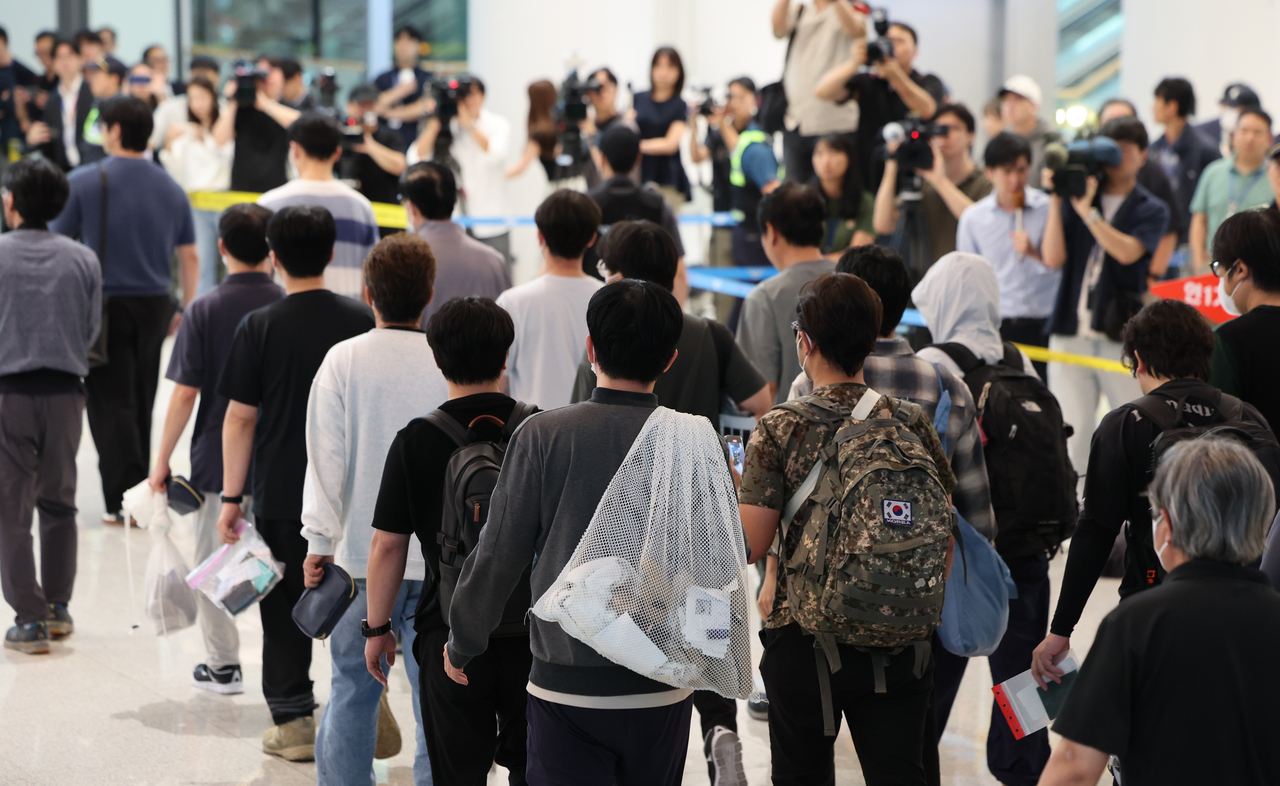
US authorities arrested hundreds of workers, most of whom are South Korean nationals, in theraid at the Hyundai-LG battery project last September.
Administrative claims on behalf of the workers, a mandatory step before a federal lawsuit, have started to be filed with nine federal agencies, the CNN report said, citing a lawyer representing the claimants.
The Department of Homeland Security, Immigration and Customs Enforcement, Customs and Border Protection, the FBI and the Departments of Justice and Labor were among the agencies, it added.
"ICE Homeland Security Investigations, in coordination with our law enforcement partners, executed a judicial search warrant as part of an ongoing criminal investigation into allegations of unlawful employment practices and other serious federal crimes," a spokesperson for the Department of Homeland Security told Reuters on Tuesday.
"This investigation is focused on ensuring accountability for those who violate the law and upholding the rule of law," added the spokesperson, who did not comment directly on the reported challenge.
Hyundai did not immediately respond to a request for comment outside regular business hours.
The raid targeting the Georgia plant, operated through a joint venture between Hyundai and South Korea's LG Energy Solution, was described as the largest single-site enforcement operation in the Department of Homeland Security's history.
Video and photos of the incident showed workers shackled at the wrists, waist and ankles, images that shook South Korea, a key US ally.
Workers' phones were confiscated, and some were unable to inform their families back home until their eventual release. (Reuters)










