Seoul city buses will operate normally on Wednesday after labor and management reached a last-minute agreement on a 3.2 percent wage increase, averting a strike that had been scheduled to begin at 4 a.m. The Seoul Metropolitan Government also lifted emergency transportation measures prepared in anticipation of the walkout.
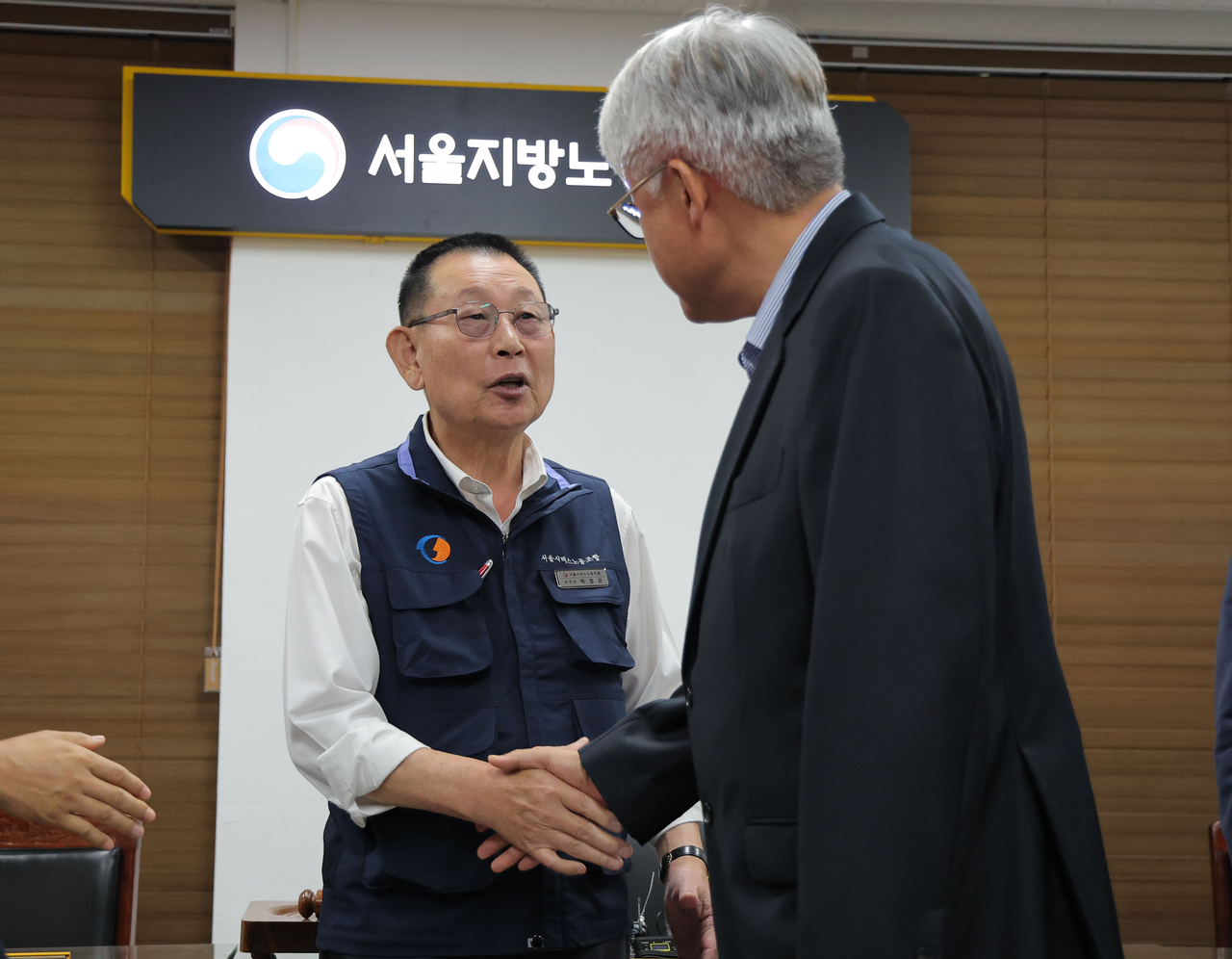
Representatives of Seoul’s bus companies and unionized drivers reached the agreement at 1:50 a.m. Wednesday after nearly 12 hours of negotiations at the Seoul Regional Labor Relations Commission. The talks began at around 2 p.m. Tuesday.
Under the agreement, bus workers’ wages will rise by 3.2 percent this year, an increase 0.3 percentage points higher than last year’s. Following the settlement, bus services resumed their normal schedules, and public transportation in the capital was expected to operate as usual.
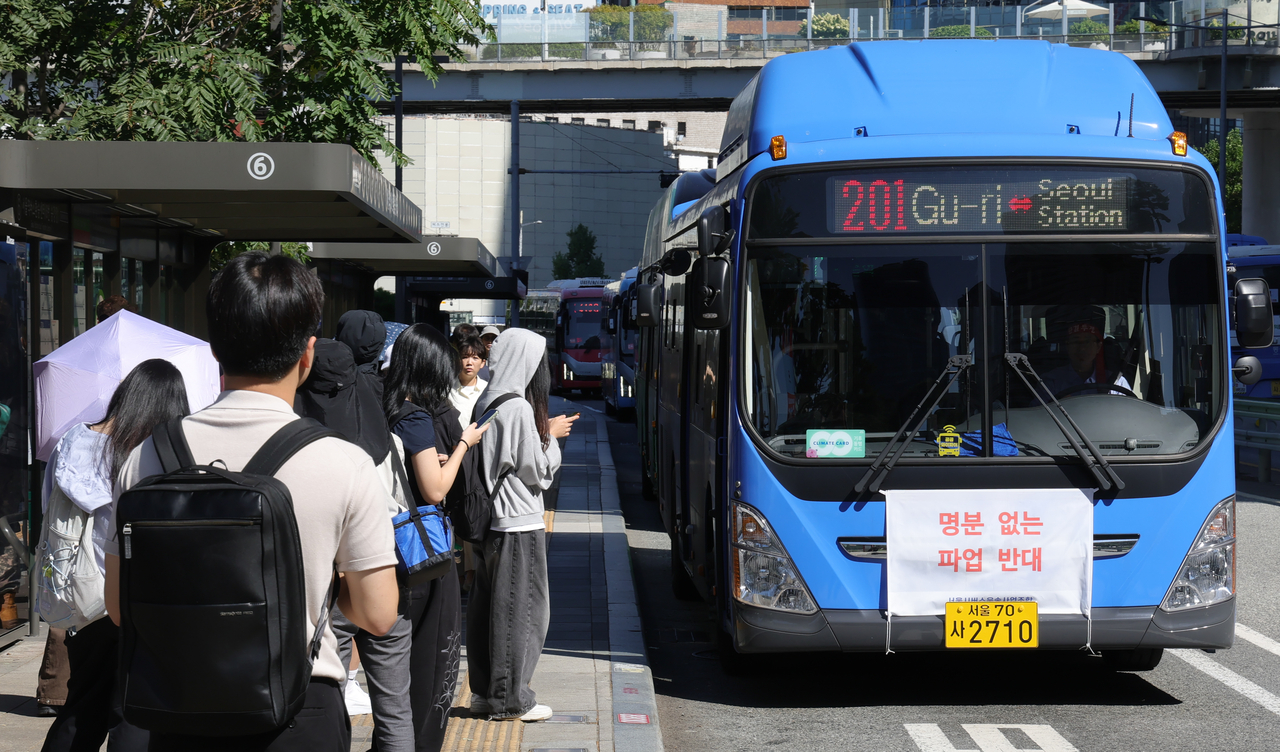
The union had called for a full-scale strike at around 10 p.m. Tuesday after negotiations with management broke down. The planned walkout would have affected Seoul’s bus network, which serves millions of passengers each day.
The Seoul Metropolitan Government had prepared emergency measures in case of a strike, including approximately 1,500 shuttle buses and additional subway services.
It also planned to extend subway operating hours and increase the frequency of trains during peak commuting times. Those measures were canceled after the labor dispute was resolved.
The negotiations, however, did not settle a dispute over how to calculate ordinary wages, a key issue in determining workers’ pay and benefits.
The union had called for ordinary wages to be calculated based on 176 working hours per month and sought a 7.85 percent increase in hourly wages.
Bus companies rejected the proposal, arguing that the change in the calculation method could lead to an overall wage increase of about 16 percent.
When combined with the proposed 7.85 percent increase in hourly wages, management estimated that the total impact could approach 24 percent.
The two sides agreed to defer the ordinary-wage issue and revisit it after the Supreme Court issues a ruling expected later this year. The ruling is expected to clarify the legal standards for calculating ordinary wages in the transportation industry.
minsikyoon@heraldcorp.com