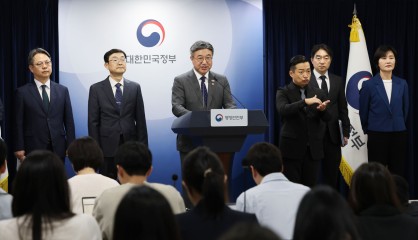
Korea tightens checks on Chinese cabbage, kimchi as formaldehyde reports raise concerns over China imports
South Korean food safety authorities said Wednesday that they had found no detectable formaldehyde in eight shipments of Chinese cabbage tested since reports emerged that the chemical had been used to preserve cabbage in parts of China.
The Ministry of Food and Drug Safety said the eight shipments, which were reported for import on Monday and Tuesday, all tested negative for formaldehyde.
The ministry began testing Chinese cabbage imports more extensively on Monday following reports about the use of formaldehyde. Under the strengthened measures, every shipment of cabbage imported from China is being tested for the chemical during customs clearance, the ministry said.
Authorities are also testing Chinese-made kimchi and pickled cabbage by manufacturer.
The ministry said it plans to collect and test products from all Chinese manufacturers, including cabbage, kimchi and pickled cabbage already being sold in South Korea. Results will be released as testing is completed.
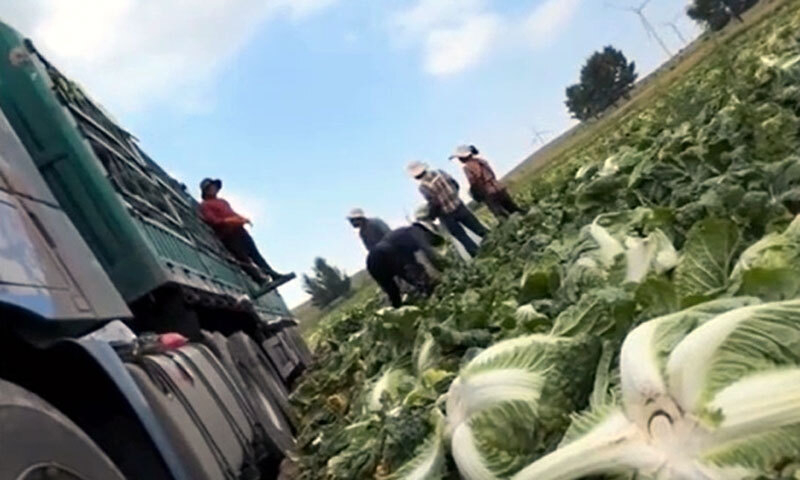
The measures follow a video posted online alleging that some agricultural produce buyers in China had dipped cabbage in a formaldehyde solution before loading it for transportation. The scope of the reported practice and whether any such products entered South Korea have not been established.
The issue has attracted widespread public attention in South Korea, as China accounts for about 99 percent of the country's imported kimchi.
According to data from Korea Customs Service, South Korea imported a record 336,221 metric tons of kimchi from China last year, the highest annual volume on record. Imports increased 39.7 percent over the five years from 2021 to 2025. The pace has remained strong this year, with 194,401 metric tons imported through July, putting 2026 on track for another record.
Formaldehyde is classified as a Group 1 carcinogen by the International Agency for Research on Cancer, meaning there is sufficient evidence that exposure to the substance can cause cancer in humans. It can also irritate the eyes, nose and throat, with more severe effects associated with higher levels of exposure.
The ministry said it would monitor the situation and step up inspections.
“We will continue to monitor information related to the use of formaldehyde on Chinese cabbage and strengthen inspections so that people can consume food with confidence,” a ministry official said.
milaya@heraldcorp.com