Surveys indicates significant shift in drinking culture in post-COVID era
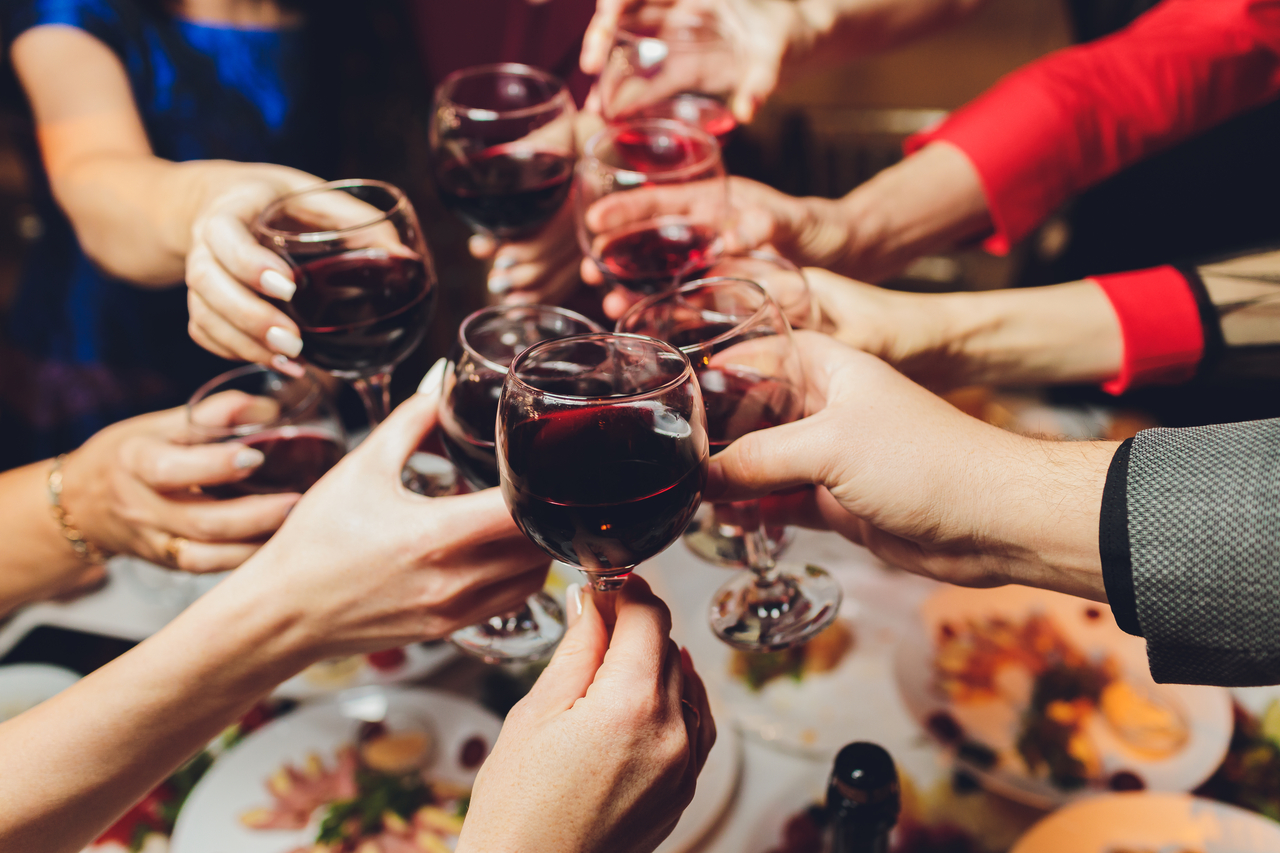
South Koreans have been known to enjoy the occasional drink in both their personal and professional lives, but in a new survey nearly a quarter of people in Seoul report they did not engage in binge drinking last year.
Respondents were asked how often they drink a "substantial" amount of alcohol, defined as at least seven shots of soju or five cans of beer for men and five shots of soju or three cans of beer for women.
The survey was conducted by the Seoul metropolitan government. The aforementioned criterion is used by the government to determine "high-risk drinking," which refers to consuming that amount of alcohol at least twice a week.
Some 23.7 percent of respondents said they had not engaged in binge drinking in the past year. The response surpassed the figure of 21.6 percent recorded in 2024.
For the latest study, 3,024 adults were surveyed between Sept. 15 and Oct. 31, 2025.
Nationwide, the percentage of high-risk drinking was 16.6 percent in 2024, according to the government's official tally. That figure was higher than those for 2020 and 2021 during the COVID-19 pandemic, but lower than 19.2 percent in 2017 and 2018 and 18.4 percent in 2019.
The high-risk drinking rate in Seoul was 14.4 percent in 2024, an increase compared to figures under 13 percent recorded during the pandemic. Still, the rate remained down from 17 percent in 2018 and 2019 and 17.2 percent in 2017.

Binge drinking 'hoesik' culture changing
Korean work dinners, known as "hoesik," had traditionally entailed a significant amount of drinking, widely considered a social lubricant to improve relations between colleagues. But there are indicators that the practice may be in flux, particularly after social distancing rules implemented during the global pandemic in the early 2020s.
In March 2023, a full year after the pandemic-era social distancing policy was lifted, a Seoul survey found that 64.4 percent of respondents said they had fewer hoesik since COVID-19. Some 36.2 percent said that they wanted a similar rate of work dinners and nighttime activities as the COVID-19 years, with 24.1 percent saying they wanted the rate to increase.
Meanwhile, a Seoul Metro report earlier this month showed a 23.7 percent decrease in subway usage after midnight between 2019 and 2025. The drop was more significant in areas known for heavy drinking, such as Gangnam Station, which had a 46 percent drop. Officials attributed the figure to a decrease in binge drinking from the prepandemic era.
Government data shows the drinking rate at around 60 percent — 60.5 percent for Seoul and 58.3 percent nationwide — compared to 62.1 percent and 59.9 percent, respectively, in 2019. But the aforementioned numbers indicate a more significant decrease in heavy drinking.
According to the Ministry of Data and Statistics, expenditures for alcoholic beverages per household in the first quarter decreased by 9 percent, compared to the same period in 2025. That marked the 10th consecutive quarter where alcohol spending decreased on-year, indicating that Koreans are drinking less than before.
minsikyoon@heraldcorp.com