Two-seat districts and regional strongholds leave South Korean voters with fewer real choices
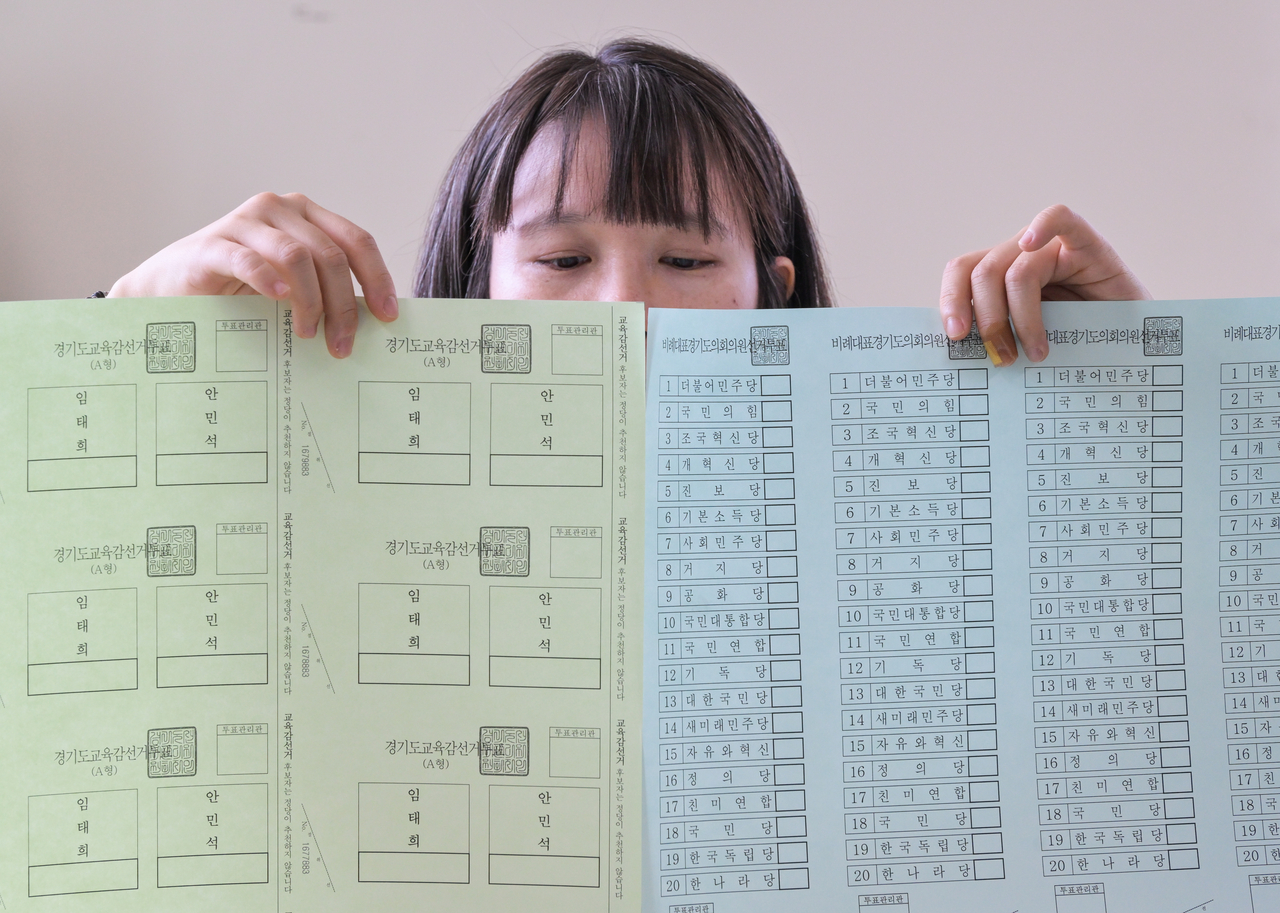
At least 504 candidates in 307 constituencies in the June 3 local elections are expected to be elected uncontested, as no rival candidates registered for their races, the National Election Commission said Monday.
According to NEC data based on candidate registrations that closed Friday, about 12 percent of all elected posts are expected to be filled without a vote because the number of candidates is equal to the number of seats — some districts elect two officials.
It is the second-largest number of uncontested winners since South Korea began local elections in 1995. More than 730 candidates were elected without a vote in 1998.
The number could rise further before Election Day if candidates withdraw or their registrations are invalidated.
Three mayoral and district chief candidates have effectively won their races uncontested, two in Gwangju and one in Gyeonggi Province. All three are affiliated with the Democratic Party of Korea.
Of the 108 metropolitan council candidates set to be elected uncontested, 84, or 77.8 percent, were from the Yeongnam and Honam regions, where support for particular parties tends to be deeply entrenched.
“There is growing concern that electing candidates without holding a vote undermines voters’ suffrage rights,” said Song Jin-mi, a legislative researcher at the National Assembly. “When a candidate is elected without a vote, voters lose an important means of holding their representative accountable, and public disinterest in elections may deepen.”
Regionalism, two-seat districts fuel uncontested races
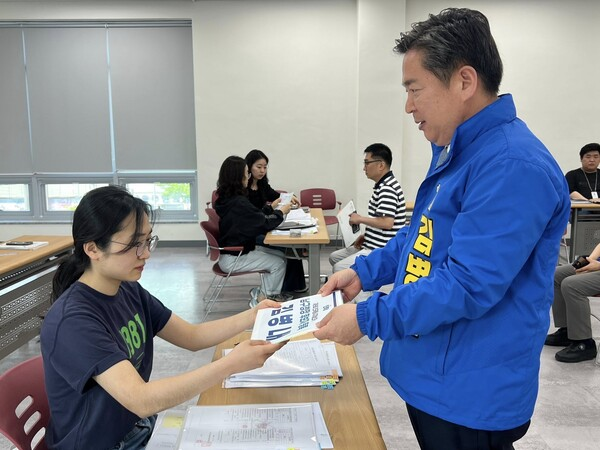
Experts point to Korea’s entrenched regional voting patterns and electoral district structure as key reasons for uncontested races.
Song said Korea’s two-party system has strengthened, especially in districts that elect two metropolitan or provincial council members.
“It is becoming more difficult for a third party to emerge,” Song said. “If each of the two major parties fields one candidate in a district that elects two representatives, the candidates can be elected without a vote.”
Two-seat districts currently account for more than half of Korea’s local council constituencies. In the 2022 local elections, 100 of the 109 candidates elected uncontested were from two-seat districts, according to Song’s 2022 report.
This year's number has not been officially confirmed.
Park Won-ho, a professor of political science and international relations at Seoul National University, told the Korean-language daily Hankyoreh that the two-seat district system has long been criticized by political scientists.
“There is broad agreement in political science that two-seat districts are a highly problematic system because they effectively allow the two major parties to appoint council members through uncontested elections,” Park said. “At the very least, there needs to be an attempt to shift toward districts that elect three or more representatives.”
Regionalism also plays a major role, particularly in Yeongnam and Honam, where partisan preferences are deeply entrenched.
Yeongnam, comprising North and South Gyeongsang provinces, Daegu, Ulsan and Busan, is traditionally considered a stronghold of the conservative People Power Party. Honam, comprising North and South Jeolla provinces and Gwangju, is considered a stronghold of the left-leaning Democratic Party of Korea.
“The fact that uncontested winners in Yeongnam and Honam are heavily concentrated in particular parties shows that parties with weak regional ties often do not field candidates in areas where regionalism is strong,” Song said.
Still, Song cautioned that the increase in uncontested races this year does not necessarily mean regionalism itself has intensified.
Calls grow for institutional overhaul
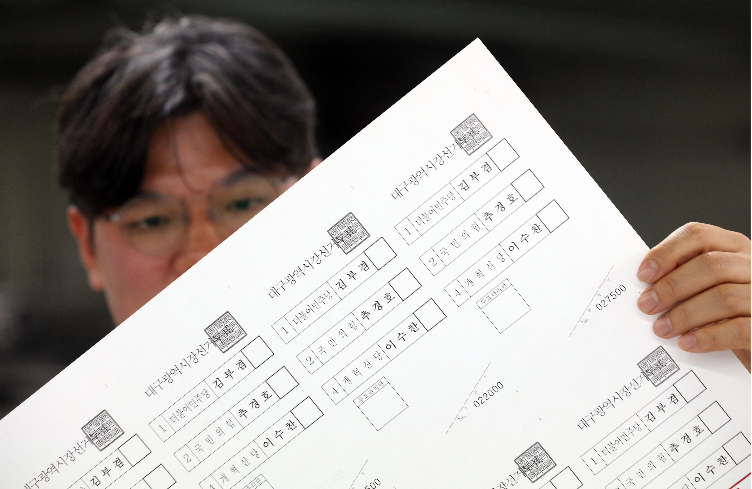
Experts say institutional changes are needed to reduce uncontested elections and give voters more meaningful choices.
Song suggested several possible reforms, starting with reducing single-seat and two-seat districts and replacing them with constituencies that elect three or more representatives.
She also said Korea’s Public Official Election Act should clarify what happens when a proportional representation race for a local council has no real competition.
Restrictions on campaign activities by candidates set to be elected uncontested should also be eased to give voters access to information about who will represent them, she added.
Song also pointed to examples from other countries, including yes-or-no votes when only one candidate is running. In Indonesia, for example, voters can cast ballots for a “blank box” in uncontested races, effectively allowing them to reject a sole candidate.
Similar reform attempts have been made at the National Assembly.
A bill prepared by the Rebuilding Korea Party Rep. Jung Chun-saeng would have required yes-or-no votes in elections for local government heads and local council members when only one candidate runs. Under the bill, a candidate could be elected only if turnout reached at least 30 percent and the candidate received a majority of valid votes.
The bill, however, was discarded in April.
seungku99@heraldcorp.com