German carmaker targets Korea’s growing family SUV market with spacious third-row seating, child-friendly practicality
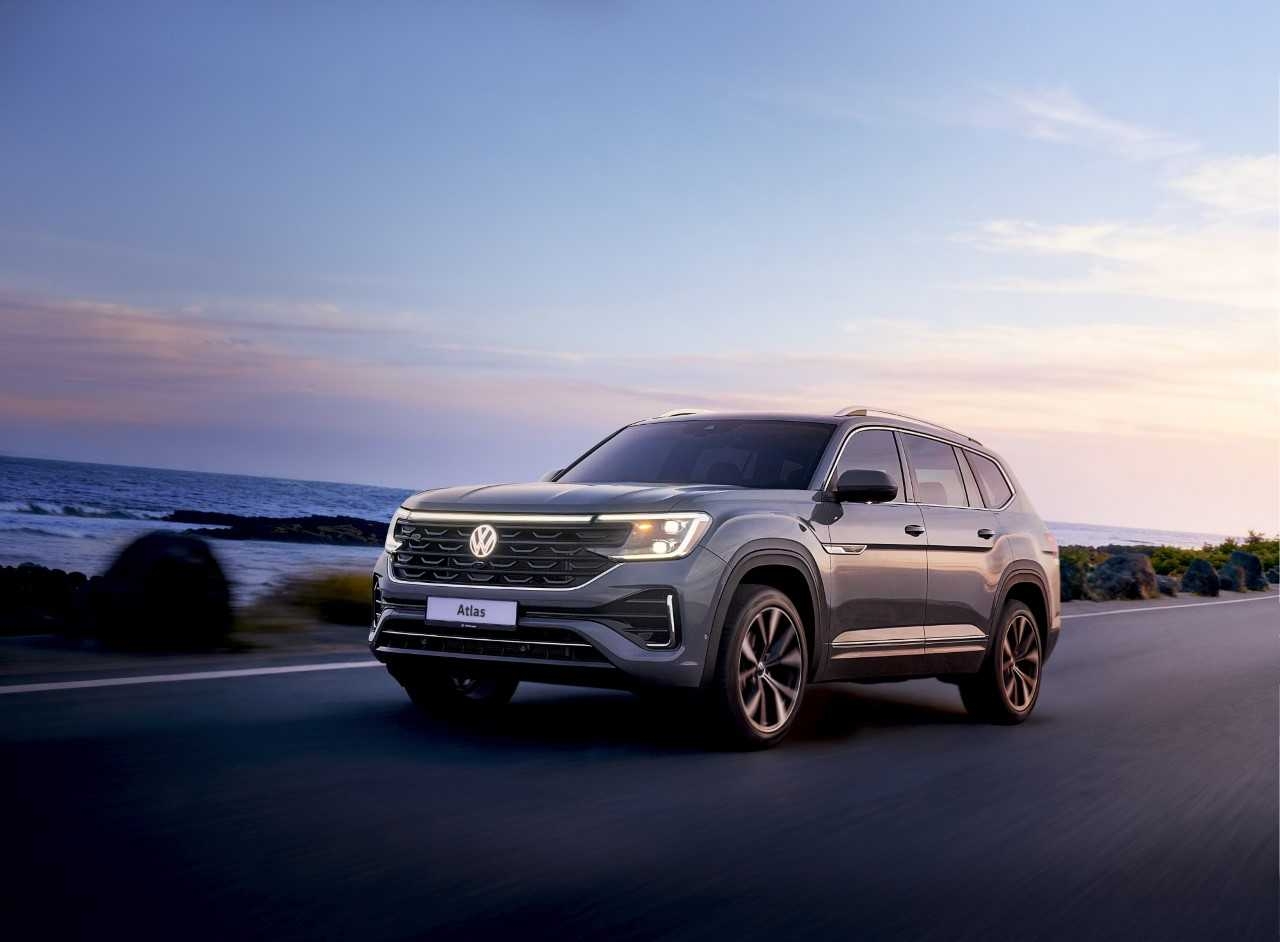
Volkswagen is making a push in South Korea’s crowded family SUV market by putting one feature front and center in its Atlas vehicle: a genuinely usable third row.
For many families shopping for a large SUV, third-row practicality has become a key purchasing factor rather than an occasional convenience. While many six- and seven-seat SUVs advertise spacious interiors, cramped seating, difficult access and limited room for child seats often undermine real-world usability.
Volkswagen says the Atlas was designed to address those concerns directly.
Built on the Volkswagen Group’s MQB platform, the full-size SUV measures 5,095 millimeters in length, 1,990 millimeters in width and 1,780 millimeters in height, allowing generous legroom in both the second and third rows.
The company emphasized that the third row was designed as a practical everyday space rather than an auxiliary seat, with dedicated air vents, cup holders and USB charging ports aimed at improving comfort during long-distance travel.
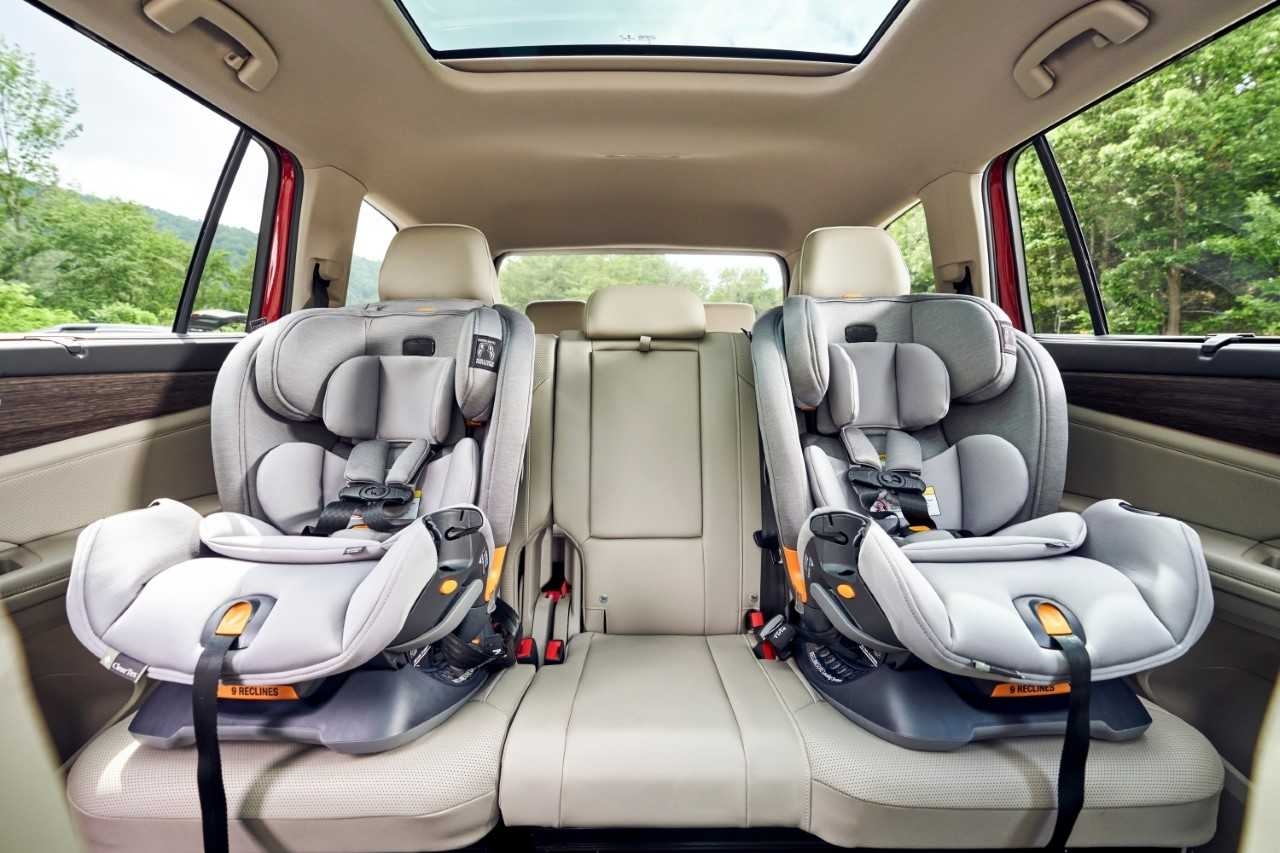
One of the Atlas’ biggest selling points for families is its child-seat-friendly layout.
The seven-seat model comes with ISOFIX anchors across all second-row seats, allowing up to three child seats to be installed simultaneously. Volkswagen also highlighted that passengers can still access the third row even when child seats remain installed in the second row, thanks to a tilt-and-slide mechanism that does not require removing the seats.
The design recently earned recognition from Cars.com, which named the Atlas one of its 2025 Best Cars for Car Seats.
The Atlas is available in both six-seat and seven-seat configurations.
The seven-seat version adopts a 2-3-2 seating layout with a second-row bench seat for larger families, while the six-seat model uses independent captain’s chairs in the second row for improved passenger comfort.
Additional family-oriented features include heated rear seats, three-zone automatic climate control and 45-watt USB-C charging ports.
Volkswagen also equipped the Atlas with its IQ.Drive advanced driver assistance package, which includes adaptive cruise control, lane-keeping assist, blind-spot monitoring and rear traffic alerts.
A safe exit warning system alerts passengers when vehicles or bicycles approach from behind as doors are opened, a feature aimed at reducing accidents involving children in apartment complexes, school zones and parking lots.
The Atlas has also received the Insurance Institute for Highway Safety’s Top Safety Pick designation for three consecutive years from 2023 through 2025.
Cargo flexibility is another major focus.
The SUV offers 583 liters of cargo space in its standard configuration, expanding to 1,572 liters with the third row folded and up to 2,735 liters with both rear rows folded flat.
According to tests conducted by Car and Driver, the Atlas can hold up to 38 carry-on suitcases with all rear seats folded.
Power comes from Volkswagen’s EA888 evo4 2.0-liter turbocharged gasoline engine paired with an eight-speed automatic transmission and the company’s 4Motion all-wheel-drive system.
The SUV produces 273 horsepower and 37.7 kilogram-meters of torque, while a standard trailer hitch supports towing capacity of up to 2,268 kilograms.
The Atlas is sold in Korea in a single 2.0 TSI 4Motion R-Line trim. Pricing starts at 67.79 million won ($45,500) for the seven-seat model and 68.57 million won for the six-seat version.
hyejin2@heraldcorp.com