Raw camera footage turned into social media content as more Koreans use home surveillance to safeguard against crime or for remote caring, but legal risks remain
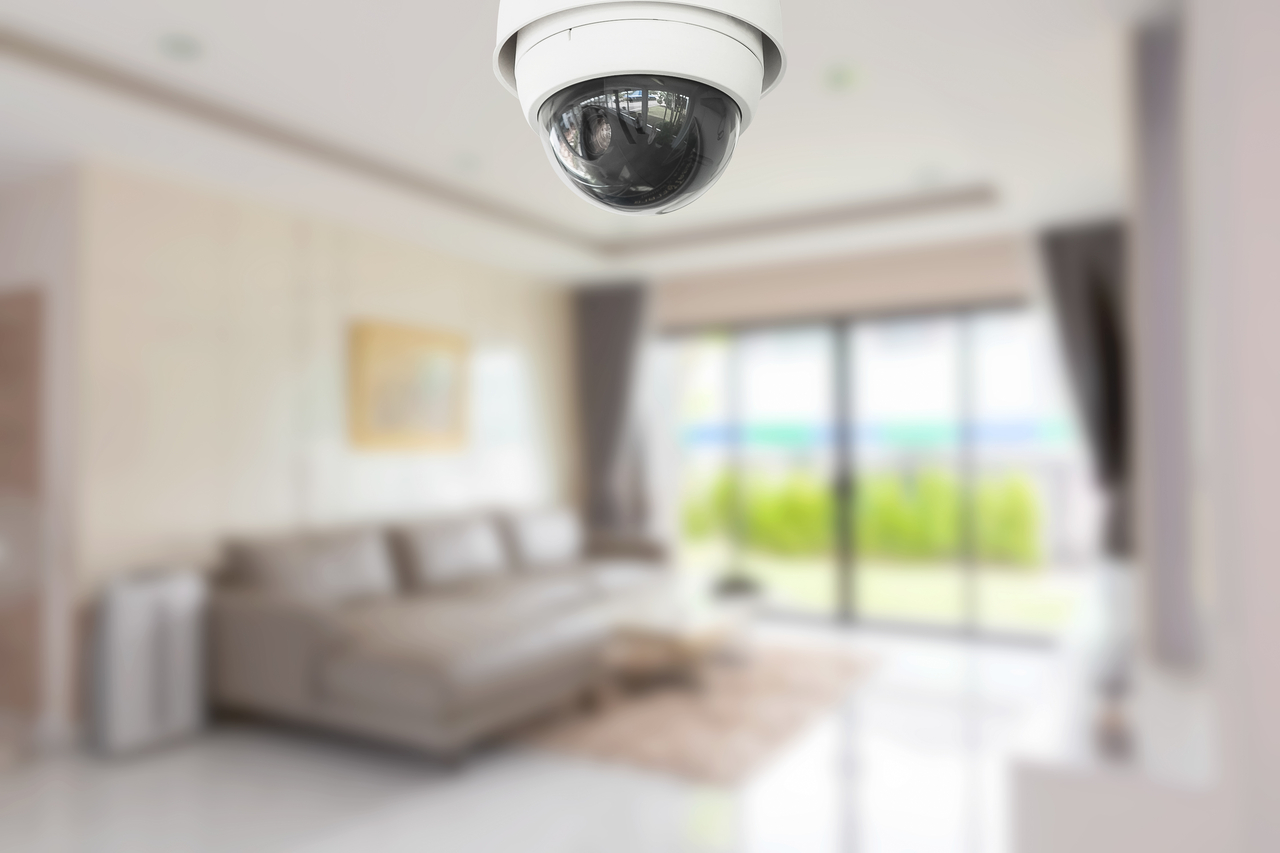
Voices layered over a faint electronic hum, a wide-angle view, and a real-time timestamp — footage previously associated with security feeds — are turning up in a plethora of social media clips featuring everything from babies’ cute moments to newlyweds at the dinner table.
A search for “home cam” on Instagram returns roughly 50,000 results. Most are short-form videos featuring actual home-camera footage reworked into vlogs or punchy clips, or content staged to mimic them.
What drives this comfort with raw security footage, despite its undeniably voyeuristic feel? The shift was gradual, as surveillance cameras increasingly became ordinary fixtures in Korean homes.
Filling the care gap
Home security cameras with real-time internet monitoring have become popular among parents of young children and those caring for elderly or ill relatives, often serving as a last resort for tracking unexpected events while they are away from home.
For those hiring caregivers, they also function as a safeguard against unforeseen incidents involving outside care.
“With so many reports of babysitter abuse in the news, I thought having video surveillance at home might make a babysitter more mindful of their behavior, even when they feel stressed while caring for my child,” said Jung Da-hye, 35, an office worker in Seoul raising a 2-year-old. She has installed cameras in the kitchen, living room and the child’s bedroom.
“After several interviews, I hired a babysitter who seemed trustworthy, but you can never be too sure. A lot of moms do the same, and most babysitters do not really mind."
Ongoing concerns over potential child abuse have made openness to home security cameras a key hiring condition on many babysitter matching platforms. On Sitternet, which has more than 650,000 members, parents can filter job listings based on whether surveillance cameras are installed.
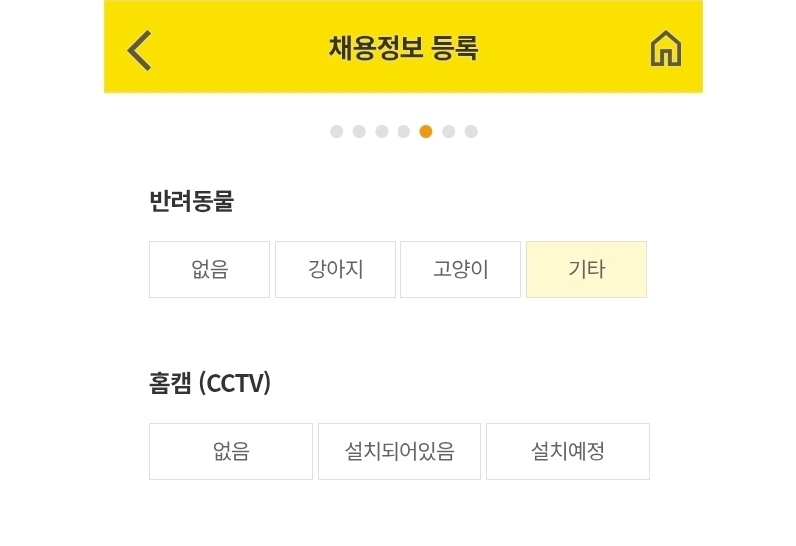
Yang, 51, lives with her bedridden father, who has a brain condition. For her, live remote monitoring through home cameras has become a source of reassurance. She said she listens to the device’s audio while at work, almost like background noise.
“A caregiver I hired before made insulting comments about my father’s appearance, which I later found out through the surveilance footage,” she said. “I worry it could happen again, so I check the cameras often. Without the cameras, I would feel really anxious at work or even when I step out of the home briefly.”
Hwang Suk-jin, a professor at Dongguk University Graduate School of International Affairs and Information Security, stressed the growing role of home surveilance systems as a tool to supplement trust in the expanding care industry in an email interview with The Korea Herald.
He said the spread of home cameras is not just about technology adoption, but reflects broader social changes.
“The rise in single-person households and dual-income families has increased the amount of time people spend away from home, driving demand for remote monitoring,” he said, adding that this extends beyond child care and pet care to general household oversight.
“With growing reliance on outside caregivers for children, the elderly and pets, home cameras are being used to build trust,” he said. “They have become a form of personal safety infrastructure, helping individuals manage uncertainty with greater control.”
Window into hidden crimes
From child abuse and domestic violence to sexual harassment, crimes inside the home have long been difficult to uncover, often due to a lack of witnesses and solid evidence.
Now, as home cameras become more embedded in everyday life, the footage they capture is emerging as a powerful tool in unraveling such cases.
In a recent tragedy that shocked the nation, involving the death of a 4-month-old boy in Yeosu, South Jeolla Province, a forensic review of home camera recordings exposed the mother trampling the baby's face, suspending him by his ankles, and violently tossing him onto a bed.
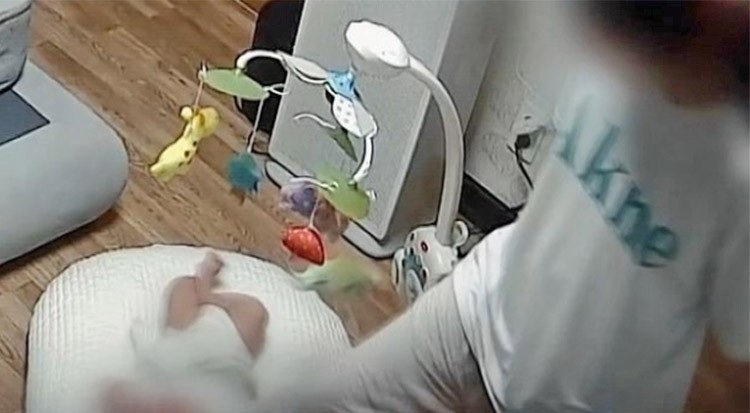
The camera also captured audio of the mother hurling profanities, including “Die, I don’t need you,” police said. The mother was found guilty and handed a life sentence at the first trial on April 23, while the father received four years and six months for his role in aiding and abetting the abuse.
With home camera footage gaining traction as evidence, securing relevant recordings has become a priority for attorneys from the outset.
"Across cases including domestic violence, aggravated intimidation, trespassing and theft, and indecent assault, home camera footage has often served as decisive evidence in identifying perpetrators, establishing timelines and tracing escape routes," Shim Jun-seop, an attorney at law firm Sim, told The Korea Herald.

“The presence of a home camera or dashcam footage can be crucial. That’s why I first look into what footage can be obtained and how to secure it."
But home camera recordings are not always reliable.
While it can support a victim’s claim, it is not always sufficient on its own to establish that a crime occurred, especially if the footage is of low quality or taken from a limited angle, he added.
Courts may also exclude such footage if it involves a significant privacy violation and there were other ways to secure evidence, after balancing public interest and individual rights.
In cases where editing is suspected, the footage must undergo digital forensic examination to confirm its authenticity before it can be used as evidence.
"Analysts at the National Forensic Service examine file structures, metadata and frame continuity, with separate audio forensics conducted when necessary," Shim said.
“As generative AI makes it easier to alter video or synthesize audio, disputes over the integrity of home camera footage are expected to rise, placing greater emphasis on digital forensics in future trials.”
Turning home camera footage into evidence can even cross legal boundaries. Despite their use for self-protection, recording conversations between third parties may violate Article 14 of the Protection of Communications Secrets Act, punishable by 1 to 10 years in prison.
“This remains a frequent source of legal dispute, often influencing how evidence is evaluated. There have been cases where courts admitted the visual portion of a recording while excluding the audio,” Shim said.
He also raised concerns over the emerging trend of residential surveillance videos being repurposed as digital content and broadly circulated to the public.
“Those captured on camera may take legal action if their rights are infringed, including violations of privacy, defamation or the unauthorized disclosure of personal information under the Information and Communications Network Act,” he said.
Hacking risks
As home cameras grow more common, so do hacking attacks.
In December 2025, four suspects were arrested for hacking into some 120,000 IP cameras installed in homes and businesses, using the footage to produce and sell sexually exploitative materials, according to news reports.
Unlike closed-circuit systems, which are isolated from external access, these internet-based devices stream footage in real time, making them easier and cheaper to install but more vulnerable to security breaches.
Despite such risks, the devices remain difficult for some to give up, especially among those living alone.
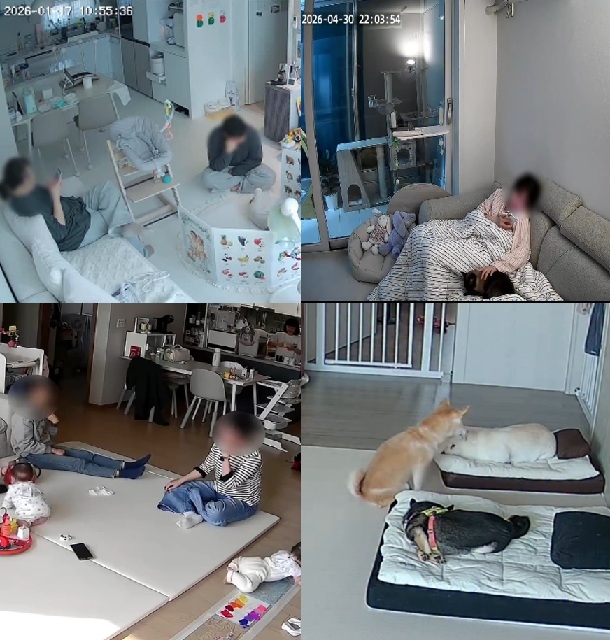
“If someone were to break in, it would pick up the movement and send me an alert right away, so I’d know immediately. It would also help me respond better if anything ever happened. I try to change my passwords regularly to avoid hacking," said Lim Mi-rae, a 34-year-old office worker in Incheon who has lived alone for three years.
Some local governments have even stepped in to support the use of home cameras among women living alone.
Seongnam, in Gyeonggi Province, plans to provide home cameras free of charge to 44 households this month, including women living alone and single-parent families. Uijeongbu has also recently offered the devices to 12 households, mainly those who have experienced crime or are in need of financial support.
“While risks such as hacking do exist, they are difficult to perceive in everyday life. By contrast, crimes or accidents are felt as real and ever-present threats that could occur at any time. In the end, it is not so much that people are giving up privacy, but that safety is seen as more urgent and takes priority in their decision making,” Hwang said.
cjh@heraldcorp.com