When the Daegu International Musical Festival opens its 20th edition this June, organizers will be celebrating more than a milestone.
They are using the occasion to press the longer-running case: Korea's musical theater industry, now riding the high of the six Tony Awards pulled by "Maybe Happy Ending" last year, needs national infrastructure to match — and that infrastructure should be built in Daegu, not Seoul.
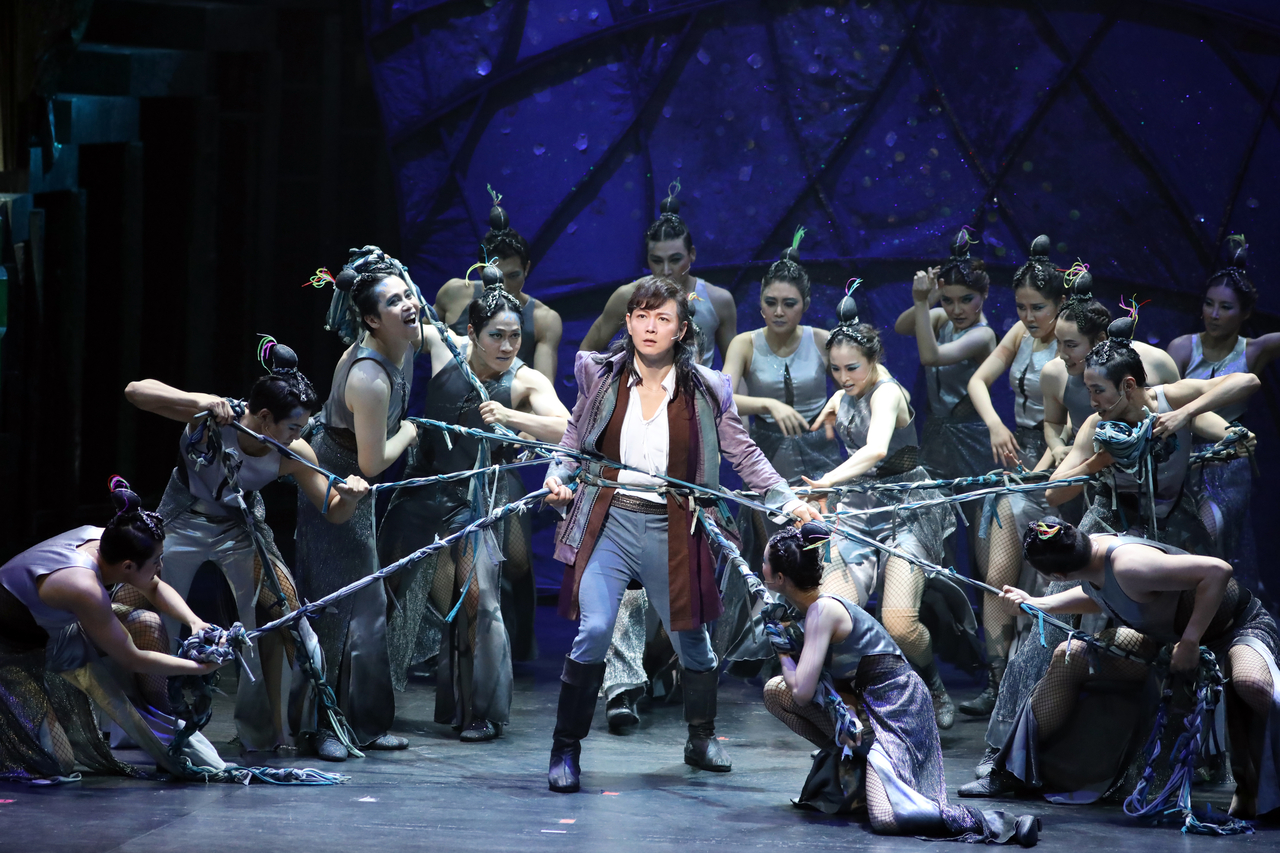
At a Seoul press conference on Tuesday, the festival's leadership laid out the lineup for the 2026 edition, which runs June 19 to July 6 across venues the city and spans 35 productions and 122 performances. This includes two productions: "Turandot," DIMF's flagship production that became the first Korean musical to be licensed to Eastern Europe seven years ago, and "Harbin Enveloped in Darkness," a Chinese spy thriller.
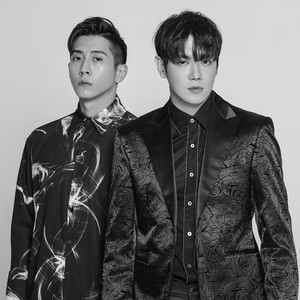
To highlight its focus on talent development, the festival has named musical actors Jeong Sun-ah and Kim Ho-young as its ambassadors. Kim was the first recipient of the DIMF Rookie Award 20 years ago.
But the more pointed message came when talk turned to what comes next.
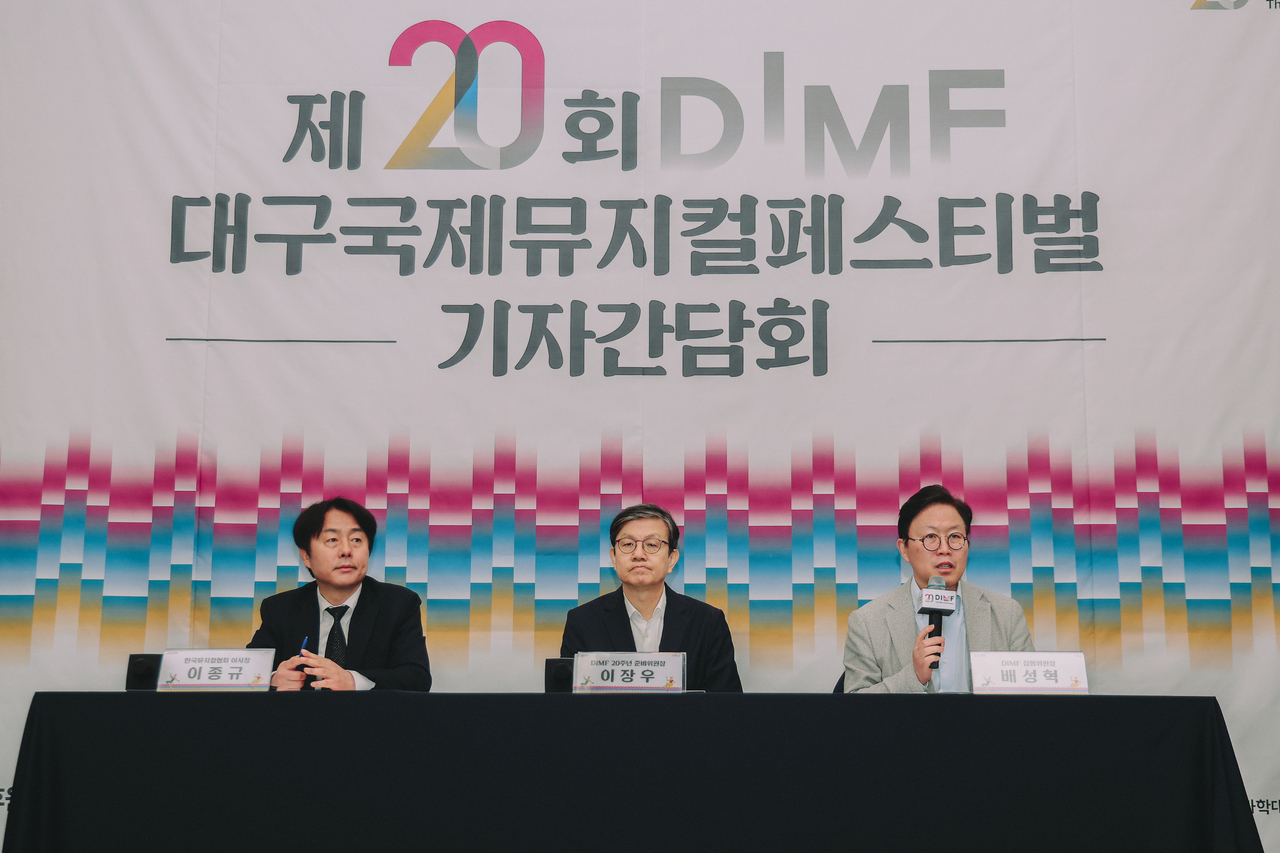
"Twenty years of accumulated talent and content. Now we need the infrastructure to scale it to the global market," DIMF executive director Bae Sung-hyuck said.
He was referring to the proposed National Musical Complex, a long-pending plan to convert the former North Gyeongsang Provincial Government site in Daegu into Korea's first national-level musical theater facility, combining a flagship venue, training academy, creative residencies and a tryout theater.
The project has been a national agenda item under both the previous and current administrations, though under different names. But progress has stalled. Recent signals from the Finance Ministry suggesting a local cost-sharing model — rather than full central funding — have raised concerns that the project could lose its status as a national institution.
Daegu officials have pushed back, citing precedents such as the Asia Culture Center in Gwangju and the Busan Cinema Center.
Lee Jong-gyu, chairman of the Korea Musical Theatre Association, echoed the concern, noting that Daegu used to be the nation's second-largest musical market after Seoul. The city has fallen behind Busan since 2020, a shift Lee attributed to Busan’s sustained investment in dedicated venues.
“DIMF has built creative capacity and international networks,” he said. “What’s missing is the physical foundation to sustain and grow them.”
Lee Jang-woo, chairman of the festival’s 20th anniversary committee, placed the current push within a wider historical context.
When DIMF launched in 2006, he said, Daegu’s appetite for large-scale musical productions rivaled that of major Asian cities such as Tokyo, Osaka, Beijing and Shanghai. What has remained unrealized, he argued, is a permanent institutional base. “A national complex outside Seoul would itself be a national asset,” he said, “just as the Busan Cinema Center derives meaning from being in Busan.”
gypark@heraldcorp.com

![[Legal updates in Korea] New insurance mandate protects firefighters on the job](https://wimg.heraldcorp.com/news/cms/2026/10/01/news-p.v1.20261001.76835f19eb424f18814ac3bb65d896a9_T1.jpg?type=h&h=800)