Many Koreans are engaging in the rising trend of shared shopping and food delivery as single-person households and the cost of living continue to rise.
"Sobun (subdividing) meeting" refers to a gathering of strangers who meet to share groceries or delivered food that a single person may not be able to finish alone. Such meetings are usually convened through mobile-based communities, such as the second-hand market platform Karrot.
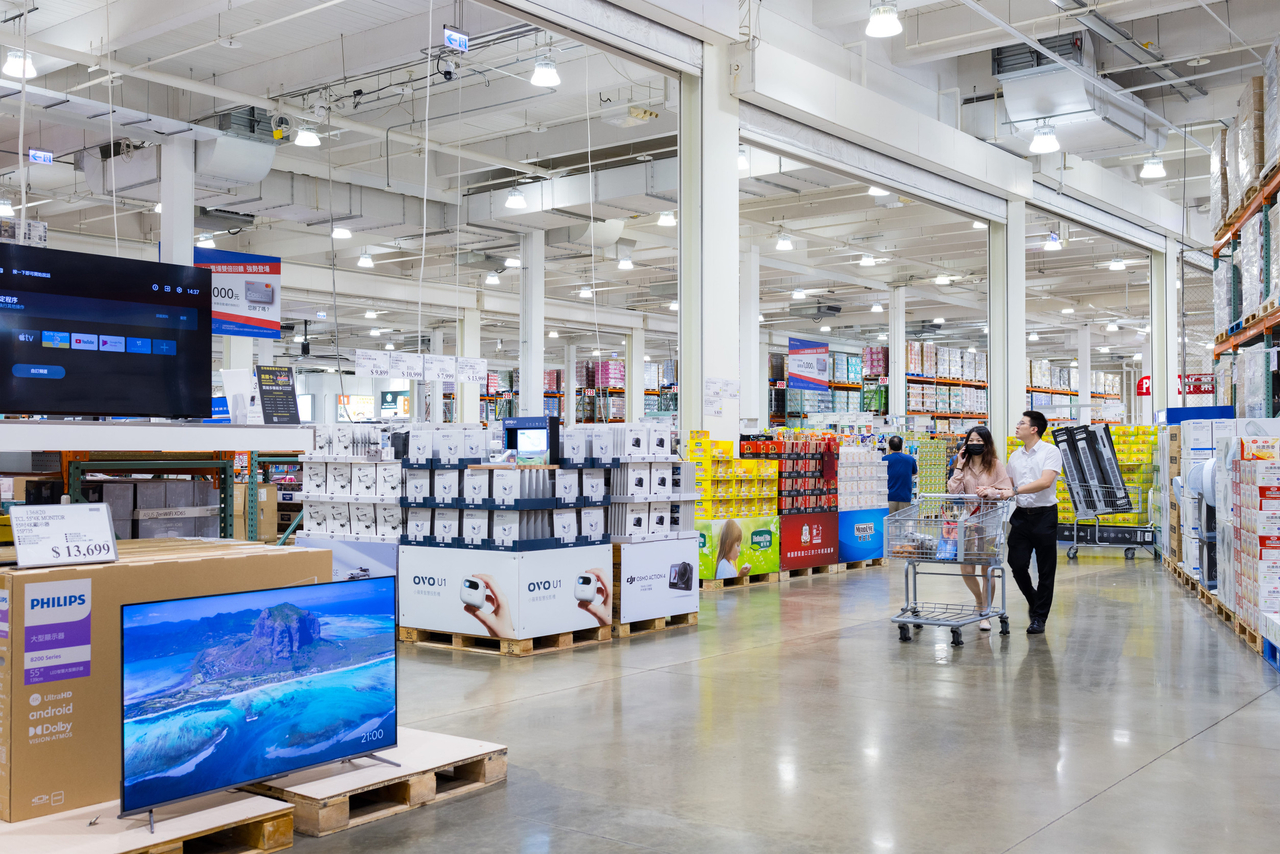
In one Karrot group, Seoul residents find others to split Costco shopping trips. The warehouse retailer’s bulk packages, though affordable, are often too large or costly to buy alone.
“If you find Costco shopping burdensome because of the quantity, we can shop together and divide the products based on how much each of us needs,” a post by a Mapo-gu resident said.
With no Costco stores in Mapo or nearby districts, members also coordinate rides and schedules. The group had 81 members, including 33 who joined in the past 30 days.
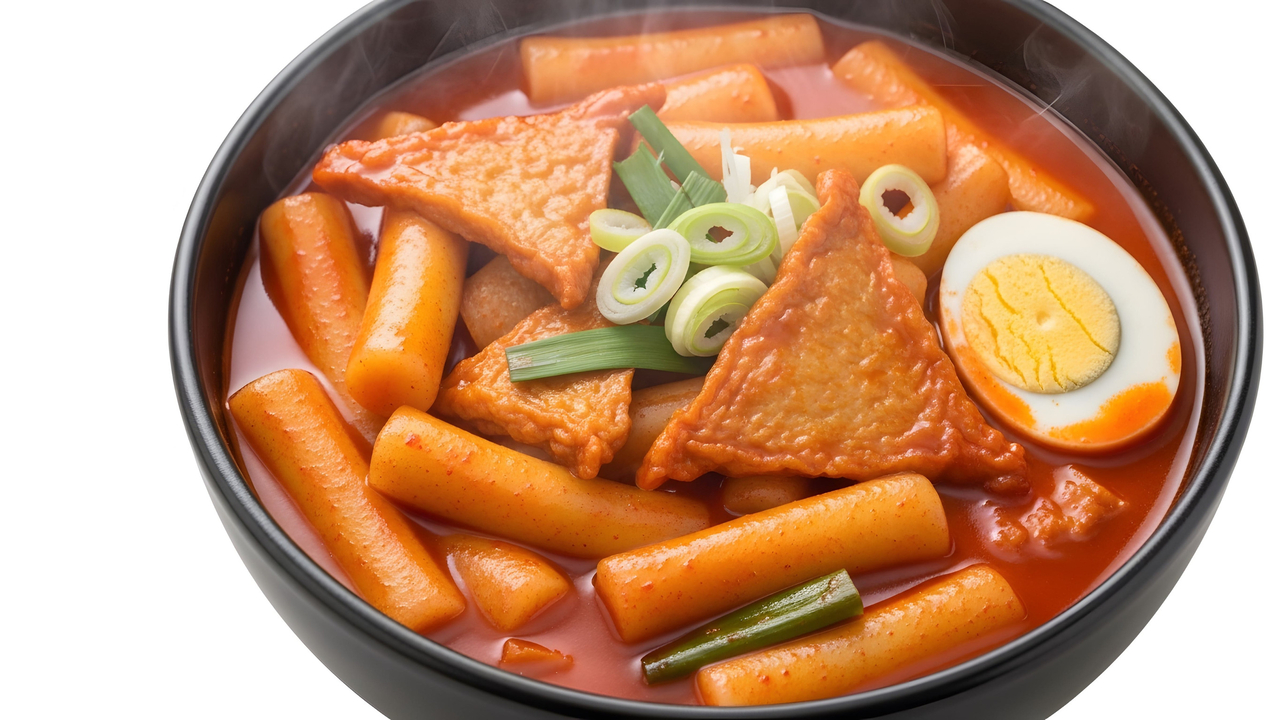
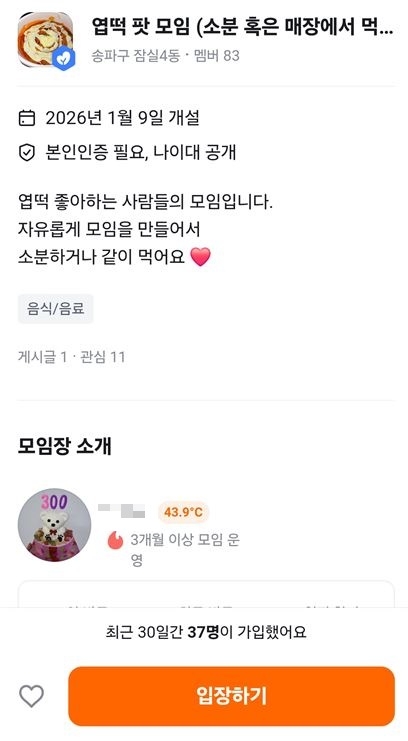
These shared purchases span a wide range of products, from flowers to tteokbokki. A meet-up for Yupdduk, a popular brand of spicy tteokbokki with servings for two or three people, has drawn 83 members since its Jan. 9 launch.
"I can eat almost the entire serving by myself, but I joined because I can't order the sides as well," said a person who joined the meeting a month ago.
Requirements for the meeting are minimal and usually just entail verifying your name and age via the Karrot app. Some meetings set an age limit but most do not specify any conditions, as these people gather strictly to get what they need.
The trend comes as single-person households in South Korea reached a record 8.05 million in 2024, accounting for 36.1 percent of all households, according to a December report by the Ministry of Data and Statistics.
Some 17.8 percent were aged 29 and less, while another 17.4 percent were 30-39. Those aged 70 and up accounted for 19.8 percent, the highest out of all age groups.
Seoul recorded the highest proportion of single-person households at 39.8 percent. Daejeon and Gangwon Province followed closely at 39.8 percent and 39.4 percent, respectively.
Korea also saw an increase in the consumer price index for the 144 living necessities designated by the government. This went up 2.4 percent in 2025 compared to 2024, a steeper rate than the 2.1 percent increase recorded for the overall CPI that year.
The figures indicate that the financial burden for buying daily necessities may be greater than the CPI suggests. It marked the fifth straight year that the CPI for living necessities was higher than the overall CPI.
minsikyoon@heraldcorp.com