A new diet trend centered on protein intake and metabolic “resetting” is gaining traction among women in their 20s and 30s, fueled by social media buzz and a rapidly expanding market for ready-to-drink protein products.
Known as the “switch-on diet,” the regimen combines low-carbohydrate eating with intermittent fasting, aiming to shift the body toward fat metabolism. The approach, popularized by physician Park Yong-woo, has drawn widespread attention online, with related video content amassing millions of views.
The program typically runs for four weeks, during which participants replace at least two meals a day with protein shakes while sharply reducing carbohydrate intake. Sugar, flour-based foods, processed items, alcohol and caffeine are largely eliminated, while intermittent fasting is incorporated multiple times a week.
At its core is a strict initial phase. For the first three days, participants consume only protein shakes along with limited foods such as tofu, vegetables and plain yogurt, aiming to deplete glycogen stores. Advocates say this encourages the body to shift from using carbohydrates to burning fat as its primary energy source.
“The goal is to help the body become efficient at using fat for energy and restore its natural recovery ability,” Park said. “It is often called a diet, but it is closer to a metabolic treatment program.”
Even individuals who appear slim are encouraged to consider it if they experience fatigue, poor sleep or lack of mental clarity — symptoms often linked to what is described as “metabolic imbalance,” including so-called “skinny fat,” or low muscle mass combined with higher body fat.
The approach, however, is not without challenges. During the initial carbohydrate restriction phase, some participants report withdrawal-like symptoms such as headaches and dizziness, particularly among those accustomed to high sugar intake.
Despite its intensity, anecdotal results have helped drive its popularity. “I slept better, my skin issues improved, and I no longer felt sluggish after meals,” said a woman in her 30s who completed the program. “I also became more sensitive to sweetness, so I naturally started avoiding processed foods.”
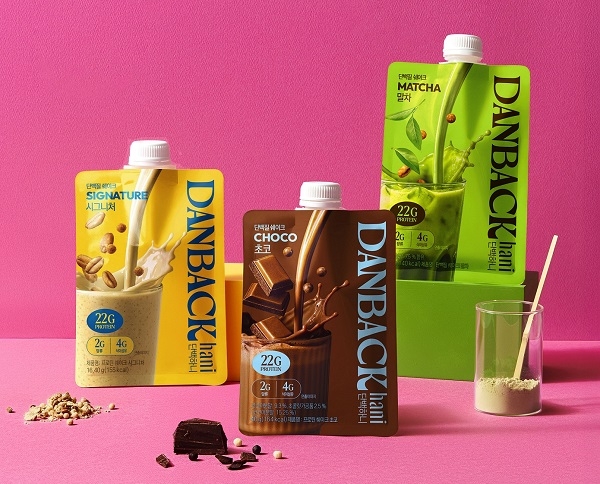
The rise of the diet has coincided with surging demand for convenient protein products, particularly among younger female consumers. Retailers say pouch-type protein shakes — portable products that require only water or milk — are increasingly used as meal replacements.
At CJ Olive Young, sales of pouch-type protein drinks and shakes nearly doubled last year. The retailer now carries dozens of brands and more than 1,000 related products, with portable formats dominating top-selling rankings on its app.
Industry data points to a broader structural shift. Once dominated by male fitness consumers, the protein supplement market is increasingly driven by women in their 20s and 30s, who now account for more than half of purchases, according to market research firm Embrain.
Convenience stores are also expanding their offerings, reflecting growing demand for what industry insiders describe as “everyday functional foods.” According to Korea Agro-Fisheries & Food Trade Corporation, the domestic protein food market, valued at around 120 billion won ($88 million) in 2019, is projected to reach 800 billion won this year.
yoohong@heraldcorp.com