Bonuses nearing $475,000 pull students, workers into chip sector
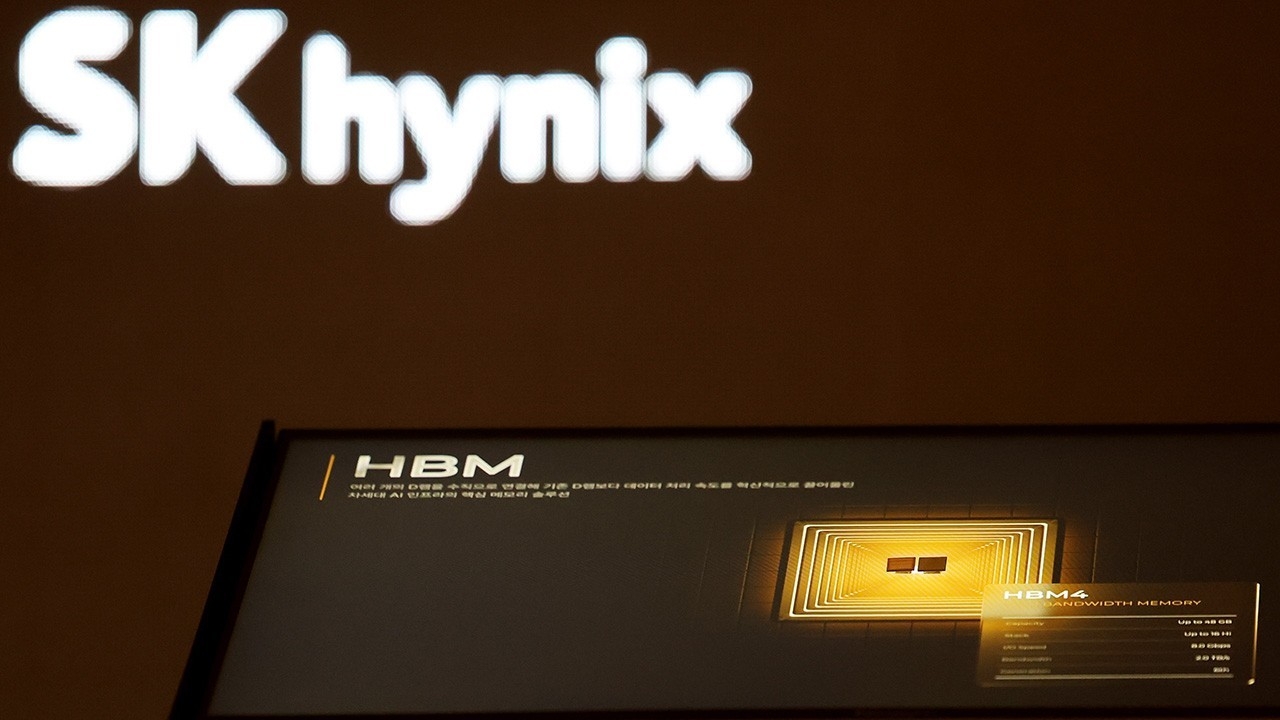
Yoon, an employee at Kia in his late-20s, recently spent his evenings scrolling through SK hynix's recruitment page, wrestling with a question he never expected to face: whether to conceal his bachelor's degree.
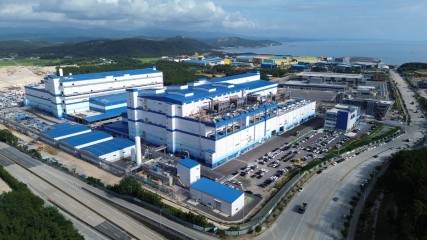
SK hynix's latest production-line openings restrict applicants to high school graduates.
"The first thought I had was, 'What if I just don't list my four-year degree?'" he told The Korea Herald, asking to be identified only by his surname. "I'm not proud of that instinct. But that's how attractive this position looks from the outside. It's not just a factory job anymore. It's a permanent role at a major corporation with life-changing compensation expectations."
He is not alone. Across South Korea, the artificial intelligence-driven semiconductor supercycle is scrambling career assumptions at every level, from high schoolers mapping their college applications to midcareer professionals weighing moves they would have dismissed two years ago.
The numbers behind the frenzy
The scale of the boom is hard to overstate. Samsung Electronics posted 57.2 trillion won ($41.3 billion) in first-quarter operating profit on April 7, nearly tripling its previous quarterly record. SK hynix, reporting Thursday, is projected to deliver roughly 38 trillion won, up over 400 percent year-on-year.
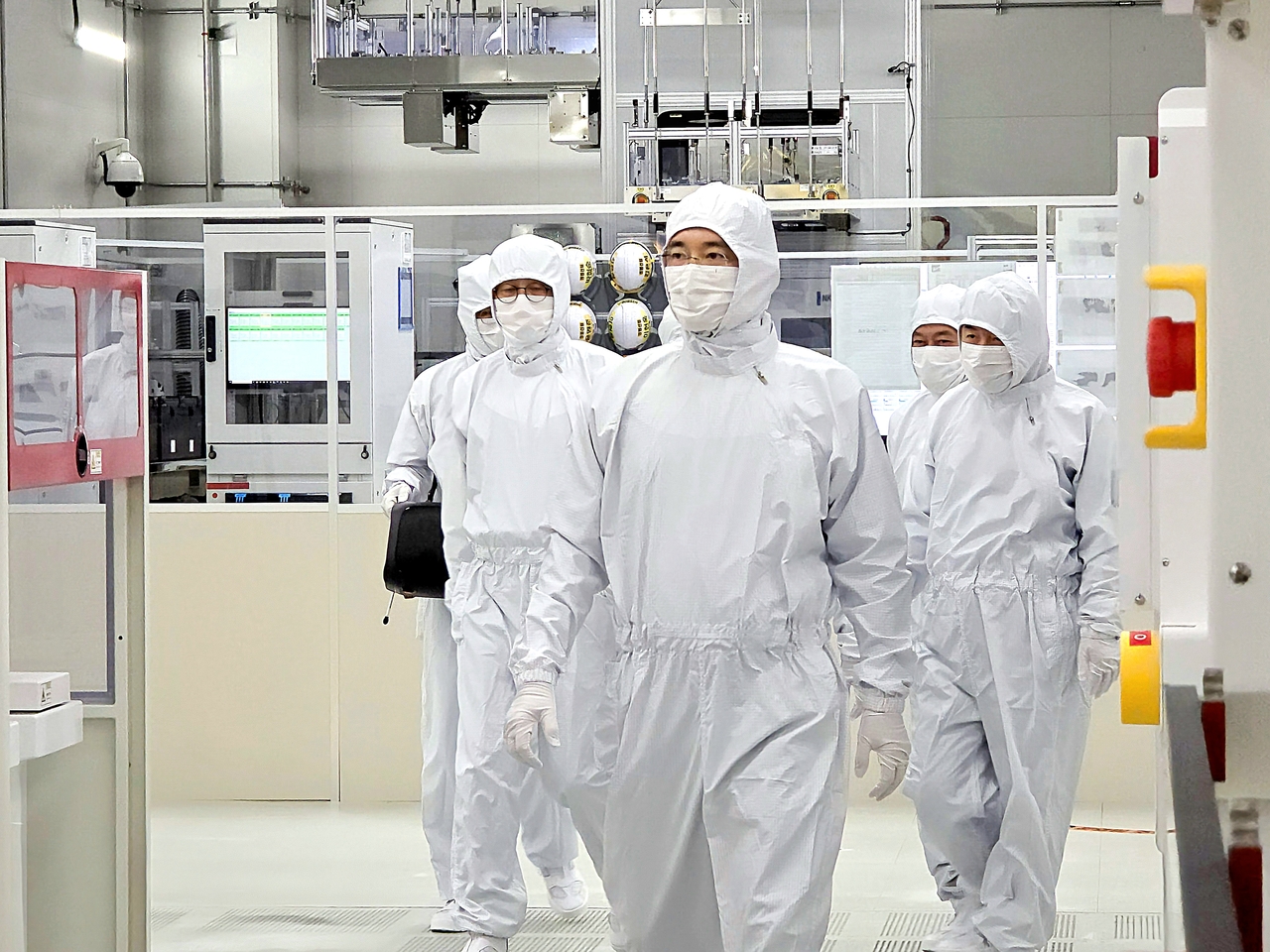
AI-fueled demand for server memory has sent chip prices surging, and the rewards are flowing directly to workers: Samsung semiconductor employees received bonuses approaching 50 percent of salary for 2025, while SK hynix, which removed its bonus cap entirely last year, paid an average of roughly 140 million won per employee.
If SK hynix hits analyst forecasts for this year, per-capita bonuses paid in early 2027 could approach 700 million won.
Both companies launched major spring recruitment drives this year, and the competition among applicants is intense. Sales of prep books for Samsung's proprietary hiring exam rose 40 percent on-year in the first quarter, while a guide for SK Group's equivalent test topped the Yes24 e-book bestseller list. Cram schools rolled out dedicated SK hynix crash courses covering everything from aptitude tests to interview strategy.
Private fabrication training programs, where students pay up to 1 million won for courses as short as a week to gain an edge in hiring, now carry waitlists extending 12,000 deep.
'Go where hardship pays the most'
Jung, a mid-20s master's candidate researching semiconductor devices at a university in the Seoul area, is weighing whether to finish his degree at all. "If I stay in the lab, there's no guarantee that translates into better placement," he said. When companies are "hiring aggressively and the cycle is hot," he said, the opportunity cost of another year in academia keeps climbing.
But his reasoning runs beyond salary. "I’ve come to believe hardship is inevitable in this industry whether you're in a lab or on a production floor. The question becomes: Where does that hardship sell for the highest price?"
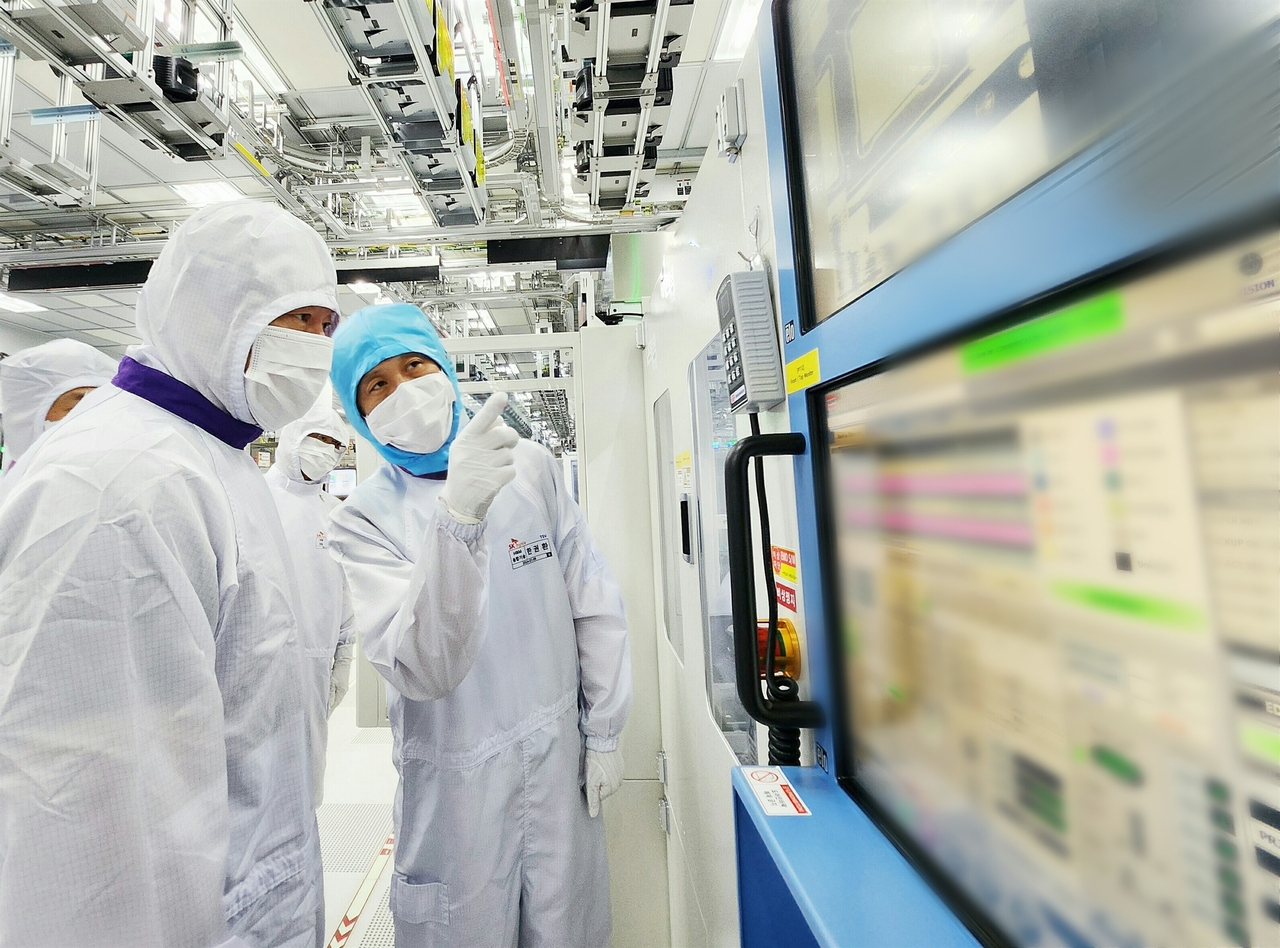
The same calculation is playing out among workers already employed, even within the chip industry. Im, a 28-year-old Samsung Electronics semiconductor production worker with four years' experience, said he is exploring a move to SK hynix. "The most direct reason is compensation. Among people actually working in this industry, the perception is clear: SK hynix is irresistibly stronger in incentives right now."
Park, a late-30s SK hynix production-line worker, described how rapidly workplace prestige has reshuffled. "Two years ago, leaving SK hynix for Kia's production line was something people here envied. Now the mood has completely reversed."
The fever has extended into university admissions and private education. Samsung and SK hynix-affiliated semiconductor contract departments, which guarantee employment for graduates at their partner companies, recorded an average competition ratio of 7.16 to 1 this year, outpacing the national medical school average of roughly 6 to 1.
Cram schools in Seoul's Daechi-dong district have launched dedicated semiconductor-department prep courses. Top-scoring students now routinely apply to chip-industry programs alongside medical schools, a pairing that would have seemed absurd to Korean parents five years ago.
Shin Chang-hwan, a semiconductor engineering professor at Korea University, said the supercycle could be "the catalyst that turns a country obsessed with medical school into one obsessed with engineering."
Not a lottery
For all the frenzy the supercycle has generated, some of the people closest to it worry about the story being told. Yoo Hoi-jun, dean of KAIST's Graduate School of AI Semiconductor, pushed back on the idea that students choosing industry over graduate school are simply chasing quick money. Those who work in fabs first before returning to academia, he said, often become stronger researchers "because they've seen where the real problems are."
What troubles him is how the rest of society is consuming the moment. "Some people frame this like bitcoin or a lottery. What it actually reflects is that people who worked extremely hard are being properly compensated in a high-difficulty industry."
Even that level of compensation might not be sufficient, he added.
A Bank of Korea survey in 2025 found that 44.9 percent of 2,700 science, technology, engineering and math postgraduates were considering overseas moves within three years, citing pay gaps as the primary reason.
A postdoctoral memory-design researcher at a Seoul-area university noted that overseas salaries "start above 100 million won and can triple," adding, "If the opportunity comes, there is no reason not to board that flight."
mjh@heraldcorp.com