Clinics provide end-to-end support from consultation to childbirth, including high-risk cases
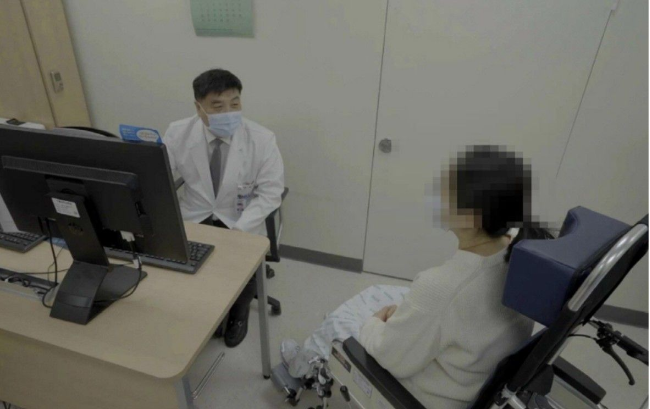
The number of women with disabilities using specialized obstetrics and gynecology services in Seoul has risen sharply in recent years, data showed Sunday, reflecting improved access to care for a group that has typically faced barriers to medical treatment.
According to the Seoul Metropolitan Government, the number of patients using the city’s disability-friendly obstetrics and gynaecology clinics increased from 55 in 2023, the program’s first year, to 159 in 2024 and 289 in 2025.
The city currently operates three such clinics providing tailored medical services for women with disabilities from initial consultation to childbirth.
The city said the program aims to improve accessibility by offering comprehensive support throughout the entire care process, including appointment scheduling, treatment and delivery.
Patients who have difficulty accessing conventional medical institutions due to mobility limitations or communication challenges are the primary users.
Data showed that women with physical or brain lesion disabilities accounted for the largest share of users, at 48.1 percent, followed by those with intellectual or developmental disabilities at 28 percent, and other types at 23.9 percent.
By age group, women in their 30s accounted for 35.3 percent of users, followed by those aged 50 and older (29.1 percent) and those in their 40s (28.7 percent), indicating growing demand for broader gynecological care among middle-aged and older women with disabilities.
The clinics have also handled complex and high-risk cases. Of 11 births they handled, seven involved women with severe disabilities. These included two premature births and one case involving a mother with a history of kidney transplantation.
Officials said the clinics are equipped to provide specialized treatment and delivery services for high-risk patients who may be difficult to accommodate in general hospitals.
A key feature of the program is the presence of dedicated coordinators who assist patients throughout the treatment process, from booking appointments to postnatal care. These coordinators also facilitate communication through services such as sign language interpretation.
In addition, medical staff receive regular training to better understand the needs of patients with disabilities, helping to create a more inclusive and responsive care environment.
jychoi@heraldcorp.com