New method suggests way to overcome Debye length limits for high-performance biosensors
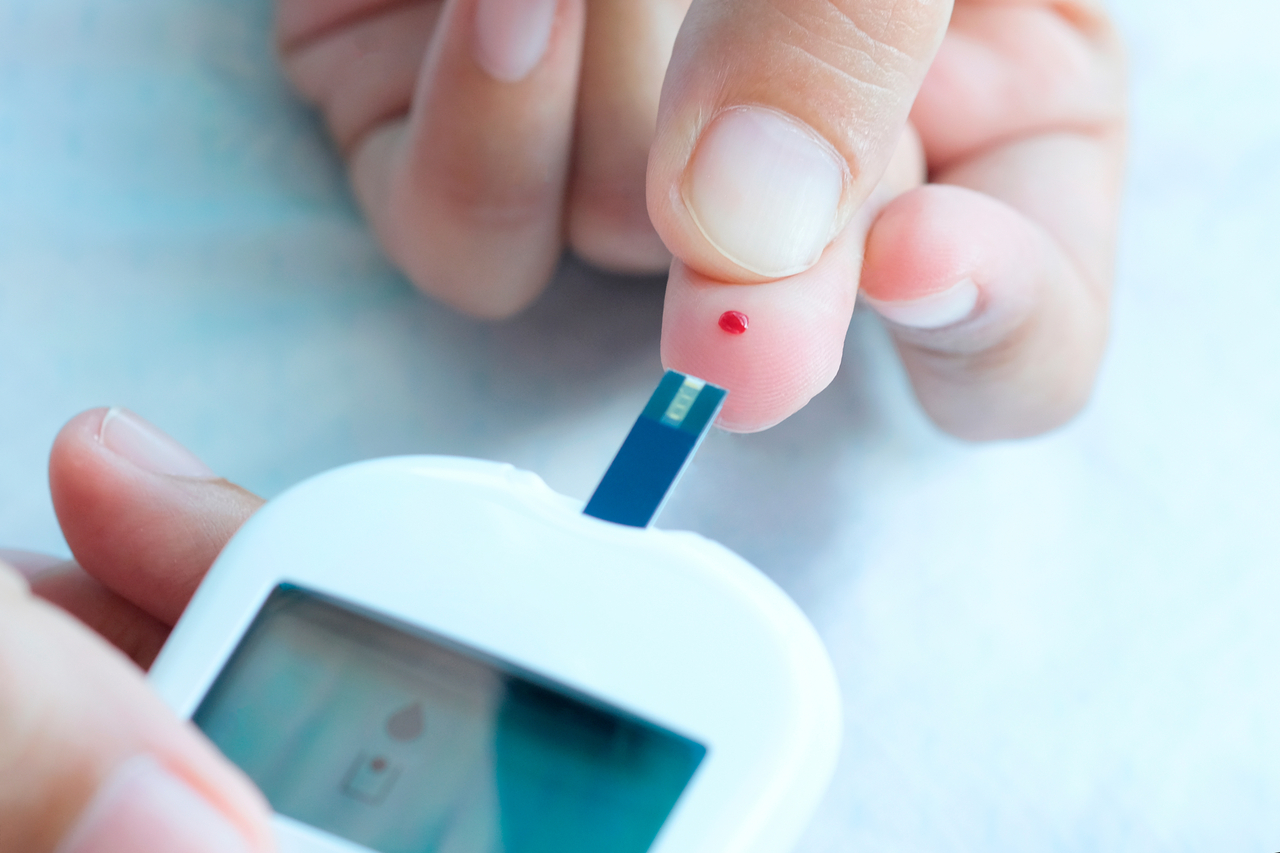
South Korean researchers have developed a method to bypass a fundamental limitation in biosensors, a step that could accelerate next-generation diagnostics for diseases such as Alzheimer’s.
The study focused on overcoming the Debye screening effect in electrolyte-gated transistor, or EGT, biosensors — a phenomenon in which a cloud of charges forms around particles in a solution, effectively shielding electrical signals and reducing sensor sensitivity. EGT biosensors enable rapid, label-free detection of biomolecules and are considered promising for point-of-care diagnostics, but their performance has been limited by this effect.
Debye screening occurs when the Debye length — which characterizes the range of electrostatic interactions — becomes shorter than the distance between the target biomolecule and the sensing interface, making detection difficult.
The effect is particularly pronounced under physiological conditions such as blood or plasma, where high salt concentrations shorten the Debye length and interfere with accurate sensing.
Researchers from Kyonggi University and Korea Research Institute of Standards and Science addressed this challenge by integrating nanoscale-grooved indium gallium oxide, or IGO, semiconductors into EGT biosensors.
They modulated the local ionic environment at the semiconductor-electrolyte interface by fabricating nanoscale-grooved oxide semiconductors, enabling highly sensitive detection even under high-ionic-strength physiological conditions.
The hybrid strategy also achieved precise and reproducible nanoscale patterning over large areas, allowing high-throughput, low-cost fabrication and supporting practical biosensor integration, the study said.
To evaluate the approach, the researchers used tau protein, a representative biomarker associated with Alzheimer’s disease. The nano-patterned IGO-based EGT sensors showed strong stability and enhanced sensitivity in detecting tau protein across a broad concentration range.
The performance persisted even under high-ionic-strength physiological conditions, indicating potential for real-world medical applications.
“By leveraging scalability, cost efficiency and robust operation, this approach establishes a pathway toward next-generation diagnostic systems with high sensitivity and compatibility for point-of-care and precision health care applications,” the researchers said.
The study, titled “Overcoming Debye Length Limitations in Electrolyte-Gated Transistor Biosensors Using Nanoscale-Grooved Oxide Semiconductors Fabricated by Thermal Nanoimprint Lithography,” was published in the journal Advanced Functional Materials.
minsikyoon@heraldcorp.com