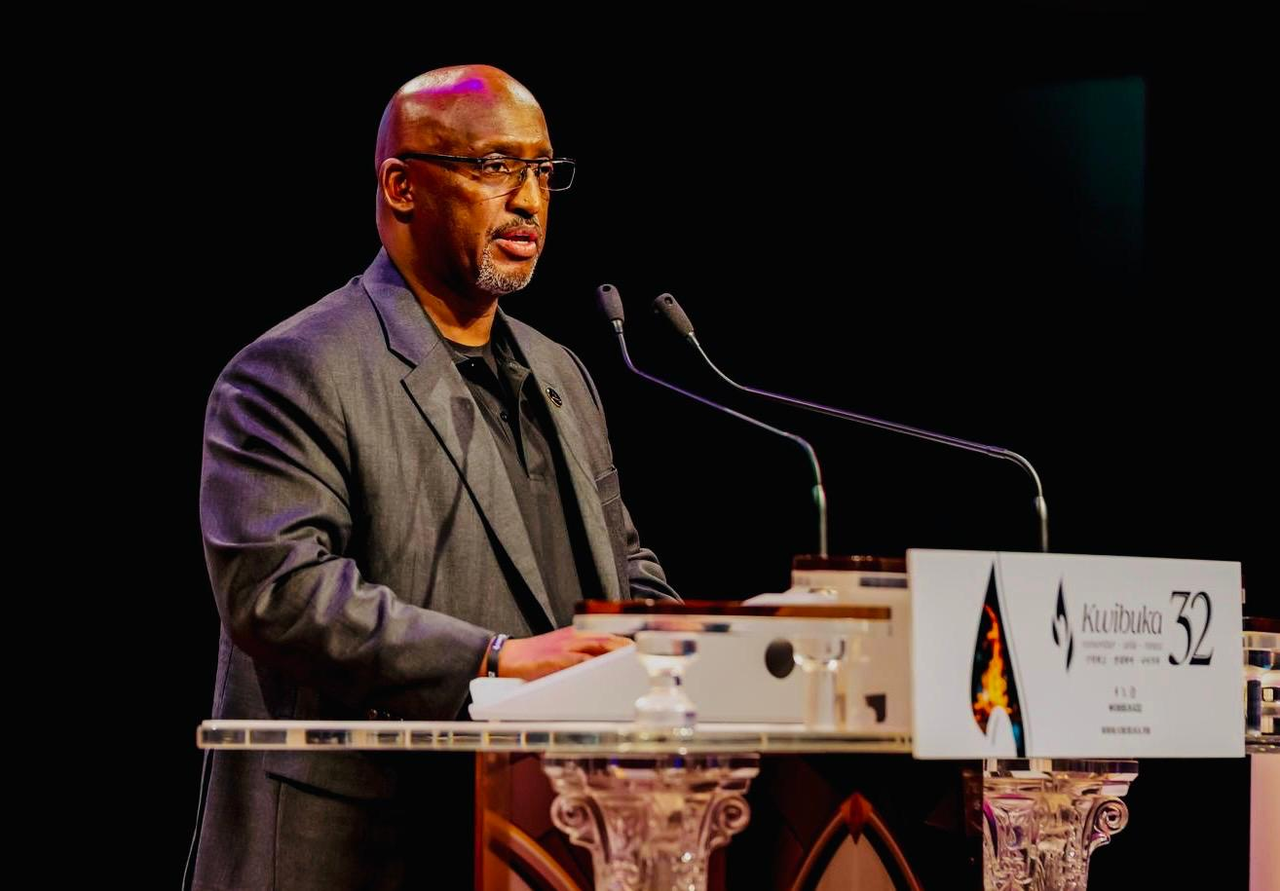
Rwanda commemorated the 32nd anniversary of the 1994 genocide against the Tutsi with a solemn ceremony in Seoul on Tuesday.
Hosting the commemoration as Kwibuka32 under the theme “Remember — Unite — Renew,” the Embassy of Rwanda in Seoul gathered over 150 participants at the FEBC Art Hall in Seoul's Mapo-gu, honoring victims, supporting survivors and paying tribute to those who helped end the killings.
“Remembrance must remain grounded in truth,” said Rwandan ambassador Bakuramutsa Nkubito in his remarks warning that genocide denial and digital distortion perpetuate harmful ideology and must be confronted.
He also reaffirmed Rwanda’s commitment to unity, reconciliation, and resilience.
“Words can destroy, but they can also heal and reconcile,” remarked Chafik Rachadi, dean of the diplomatic corps in Korea and Moroccan ambassador to Korea, highlighting one of the key lessons of the genocide.
“Tutsi” refers to an ethnic group from the African Great Lakes region. According to the United Nations, an estimated 150,000 to 250,000 women were raped during the genocide, making it one of the most horrific atrocities of the 20th century.
Rachadi warned of the dangers of dehumanizing rhetoric, noting that victims were labeled with terms likening them to animals and vermin. He urged the international community to renew its commitment to preventing genocide and to uphold the dignity and safety of all people.
Meanwhile, Chung Kwang-yong, director general for African and Middle Eastern Affairs at the South Korean Foreign Ministry, underlined Rwanda’s remarkable recovery, drawing parallels with Korea’s own postwar reconstruction.
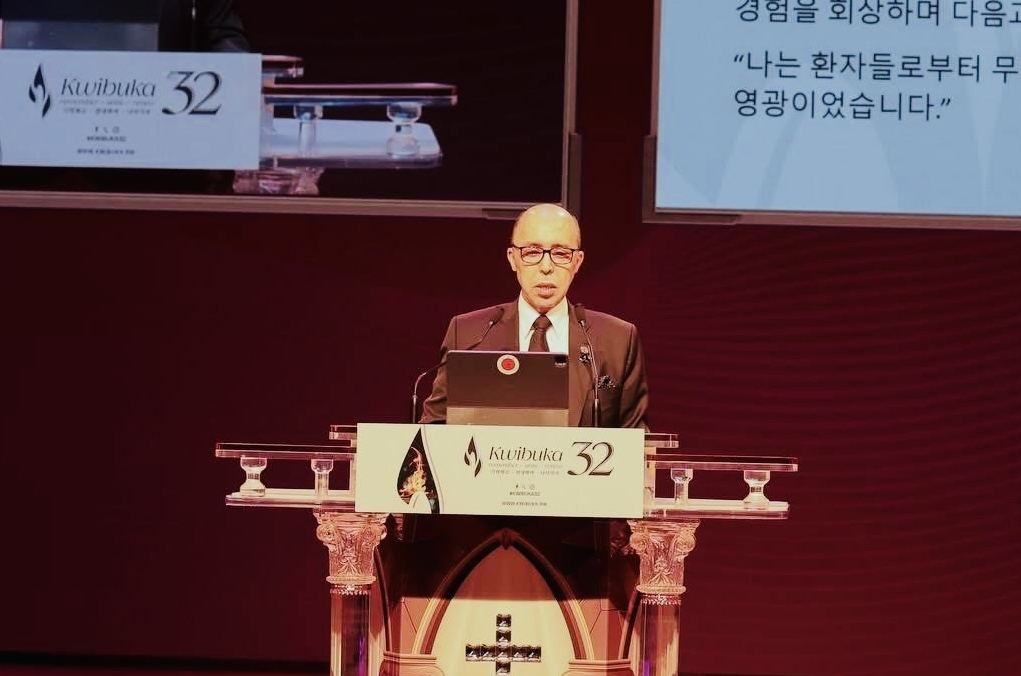
He noted that Rwanda’s resilience and determination have transformed the country into a growing hub of innovation, adding that its model of national rebuilding and economic development offers valuable lessons for sustainable growth.
According to the Rwandan Embassy, Kwibuka mobilizes global action against genocide ideology and reinforces “Never Again,” while warning that evolving disinformation threatens historical truth.
The commemoration was attended by Korean government officials, members of the diplomatic corps, civil society representatives, academics, media, business leaders and members of the Rwandan community.
sanjaykumar@heraldcorp.com