Secures three-month supply of IV bags, two months of injection supplies; warns of crackdown on hoarding, collusion
Amid growing disruption in the medical supply sector, the South Korean government is stepping up efforts to stabilize the market as prolonged war between the US, Israel and Iran raises concerns over reduced crude oil and petrochemical supplies from the Middle East.
The government said it has secured enough raw materials to produce essential medical consumables for the coming months. It also warned of strict action against hoarding and collusion as prices show signs of rising.
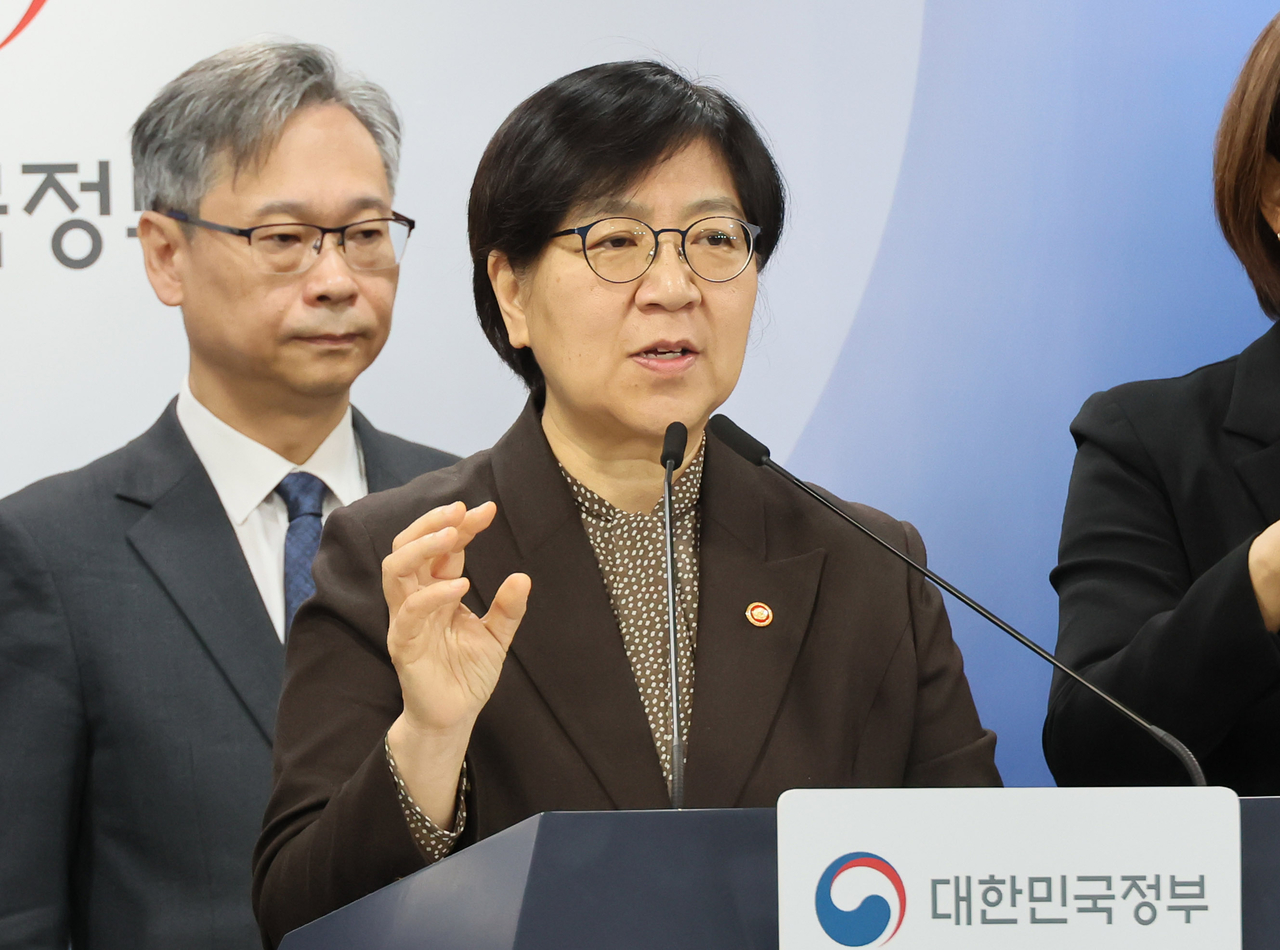
“Measures for IV bag materials are already in place to prevent supply disruptions for the next three months,” Health Minister Jeong Eun-kyeong said at a briefing at Government Complex Seoul on Tuesday.
“We are also considering the priority supply of naphtha, the key raw material for plastics, to manufacturers of injection cylinders and needles, while closely monitoring difficulties faced by the industry."
She added that the government will continue efforts to ensure a stable supply beyond that period by securing additional materials and exploring substitutes.
Supply anxiety spreads
The briefing comes as concerns grow over shortages of plastic-based medical products. Deliveries of injection cylinders and needles have been delayed due to material shortages, while demand has surged as buyers move to stockpile supplies.
According to the Ministry of Trade, Industry and Energy, naphtha prices have more than doubled since the start of the year, reaching $1,183 per metric ton as of Monday, putting upward pressure on plastic product prices.
The Seoul Medical Association said price hikes and temporary shortages of essential medical consumables are already being observed, with some items placed under purchasing restrictions and existing orders canceled.
The government acknowledged that smaller clinics and local medical institutions are facing tighter inventories. It attributed the situation partly to precautionary buying driven by fears of prolonged supply disruptions.
However, the impact of reduced supply is also being felt beyond hospitals among households that rely on medical supplies for pets.
“I didn’t expect the war to affect me this directly,” said a 39-year-old woman who administers subcutaneous injections to treat her cat. “I was told my order may be delayed indefinitely. I just hope it is a price increase, not a cancellation.”
Government steps up monitoring
Jeong said authorities are coordinating daily with both suppliers and medical institutions to monitor supply conditions and respond quickly to potential shortages. The government is also preparing preemptive measures for items where shortages have not yet become apparent.
“We are closely reviewing whether manufacturers are facing raw material shortages, whether bottlenecks exist in distribution, and whether there are regulatory or pricing system issues, and responding at the whole-of-government level,” she said.
Referring to the Ministry of Food and Drug Safety’s measures for alternative packaging, including simplified labeling and fast-tracked approvals, Jeong added that the Health Ministry is also considering improvements to the current fee system, in which material costs are not fully reflected under the fee-for-service structure.
The government urged the public and medical institutions to refrain from panic buying, warning of strict crackdowns if hoarding intensifies. It also warned producers and distributors that it could impose fines of up to 20 percent of related sales in cases of collusion.
“The government will take firm action without exception against any unfair practices related to medical products that are directly linked to public health,” Jeong said. “In times of economic uncertainty, profit-seeking behavior and anxiety-driven demand pose the greatest risks to supply chain stability.”
forestjs@heraldcorp.com