70-year-old cathedral recognized for unique structure, historical value
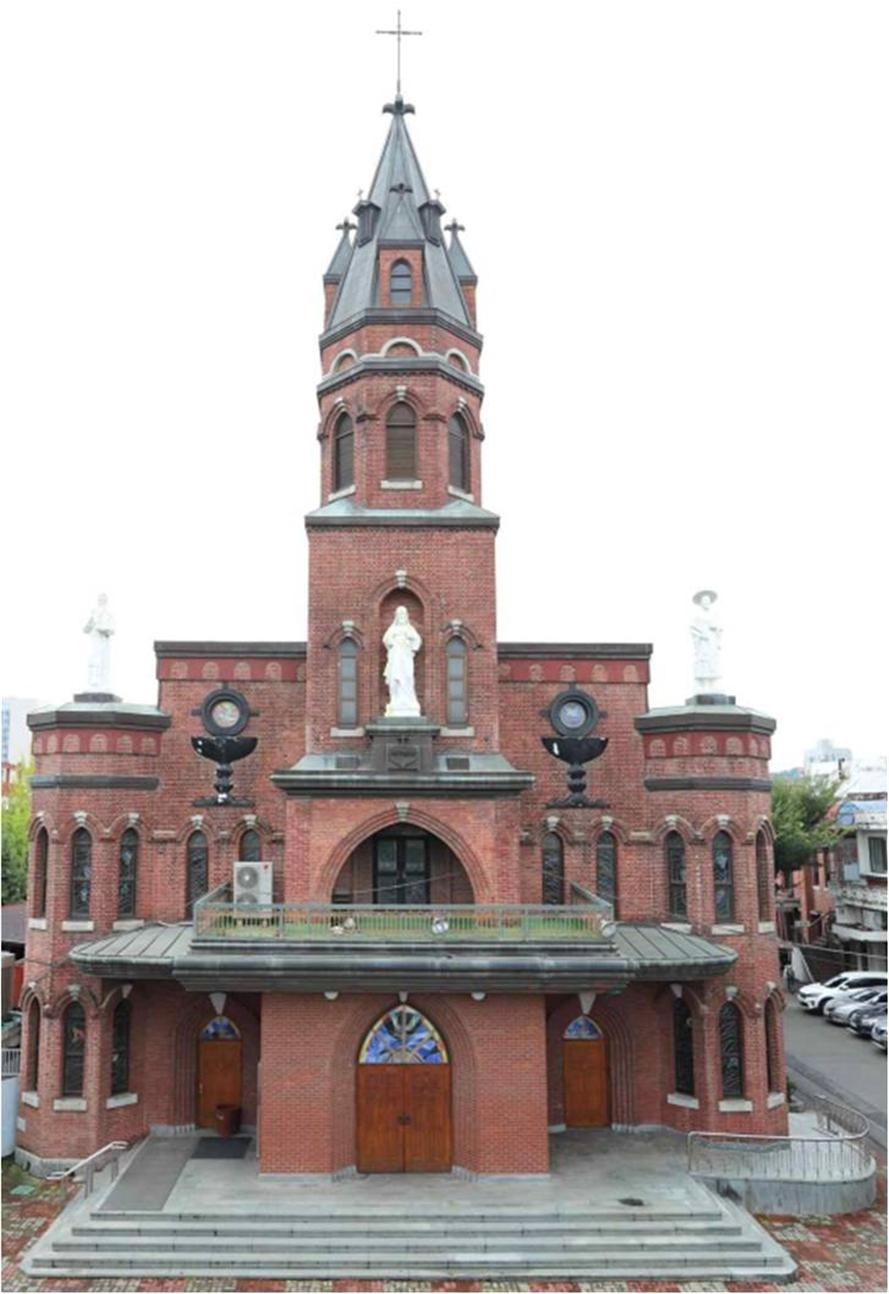
The Korea Heritage Service on Monday announced the registration of the Jeonju Jungang Cathedral in Jeonju, North Jeolla Province, as a National Registered Cultural Heritage.
Constructed in 1956 in Seonosong-dong, the historic diocesan cathedral holds significant religious and historical value as the nation’s first self-governing diocesan cathedral — a status it has maintained since its founding.
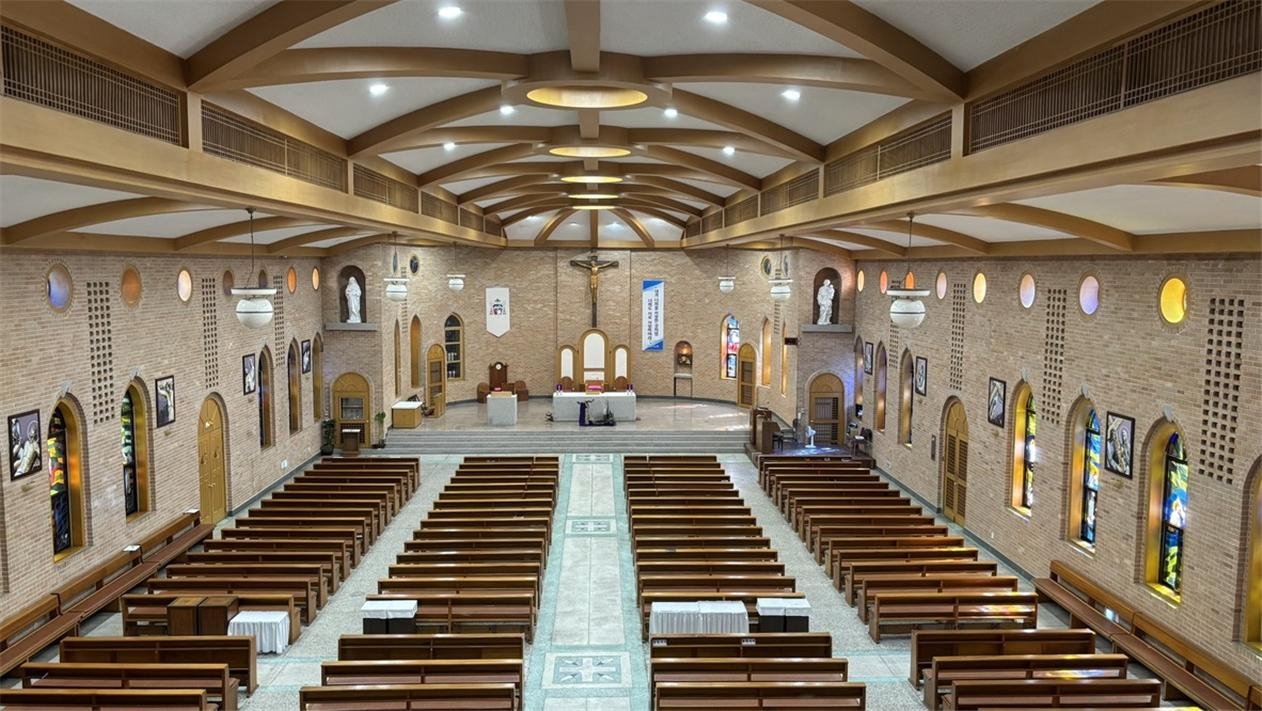
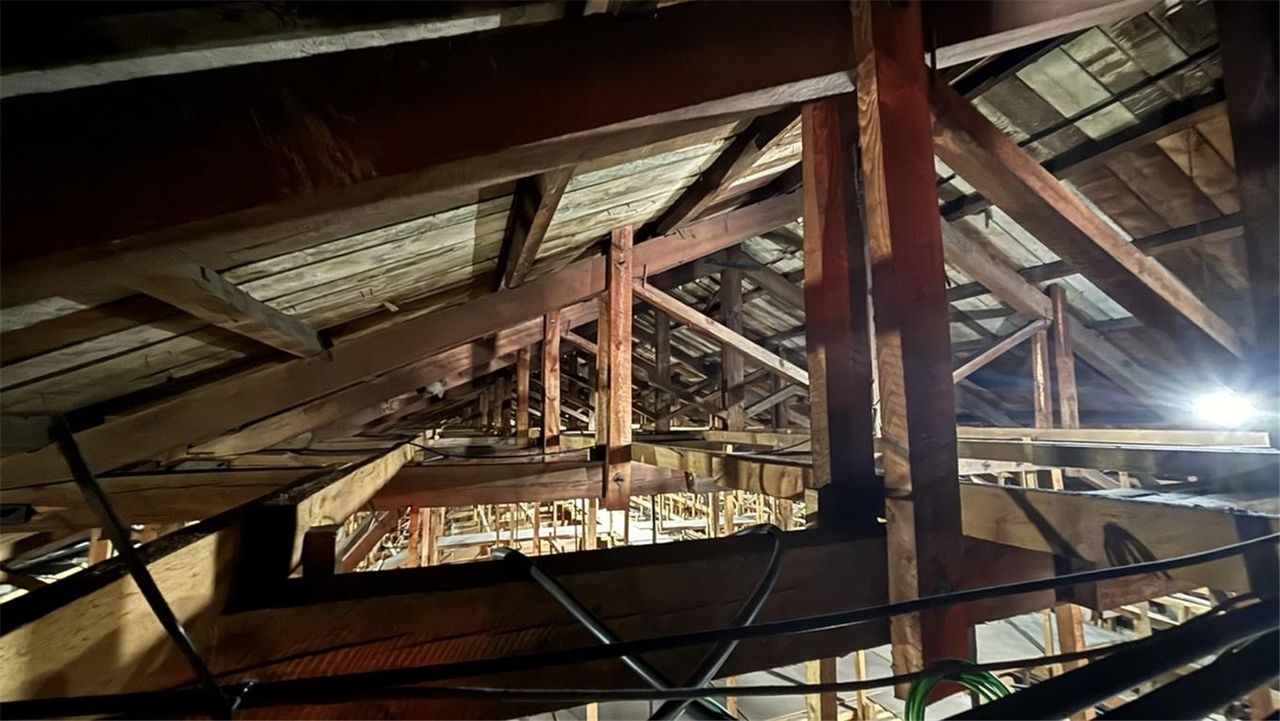
Structurally, the cathedral is distinct from other previously registered church architecture, according to the KHS. It features a wide worship space achieved through the use of wooden roof trusses and the elimination of internal columns, demonstrating the technical standards of the time.
To preserve the cathedral's cultural heritage value, the KHS designated four "essential preservation elements." This system, first introduced in Sept. 2024, mandates the preservation of specific structures or features critical to the heritage's value.
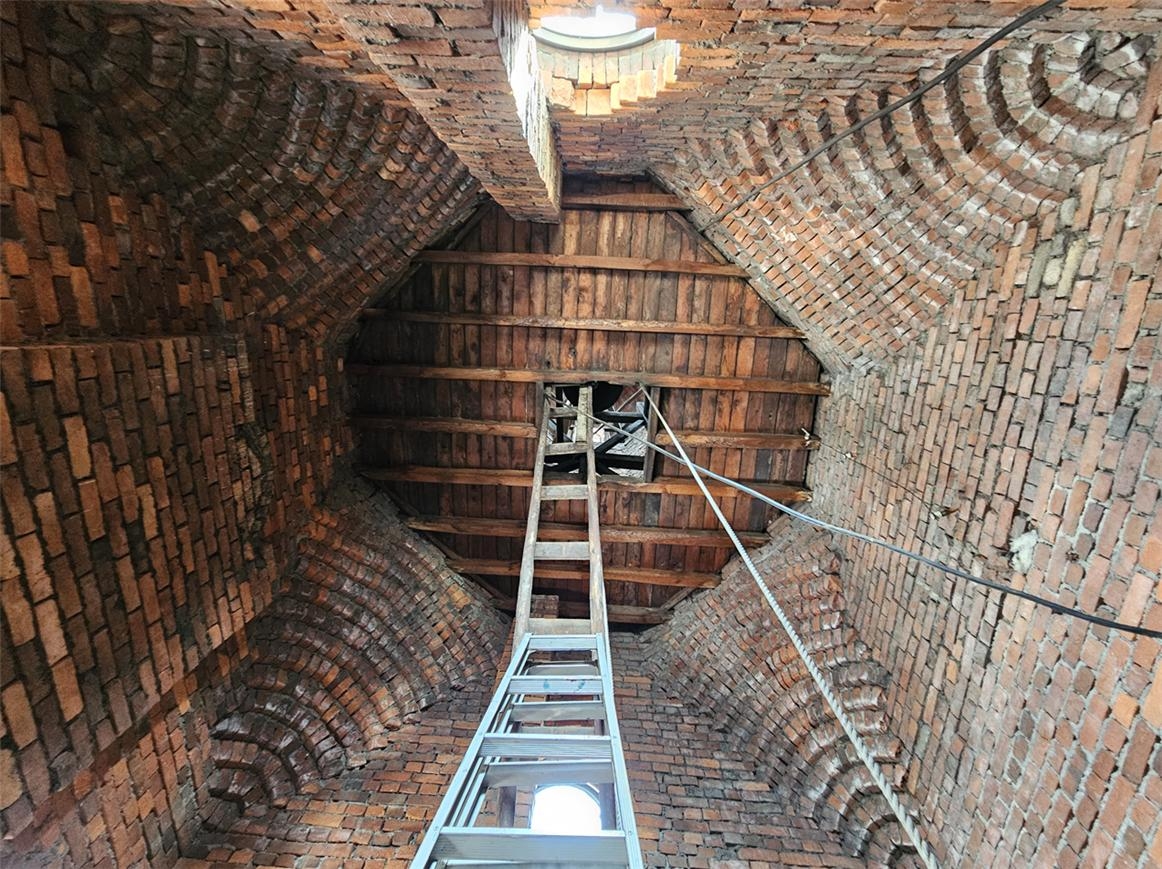
The four designated elements and their rationales include the stonework in the upper section of the bell tower, noteworthy for the rare brick-laying technique used.
The wooden roof trusses were included as an example of a technical solution to the church's structural limitations at the time, offering a glimpse into the era's technical environment.
Additionally, the cathedral's windows and entrance doors are preserved in their original state from the time of construction, necessitating their conservation. Finally, the terrazzo flooring in the central aisle is recognized for its scarcity and excellent preservation.
gypark@heraldcorp.com