From Shanghai’s lantern-lit gardens to Tokyo’s neon districts, Korean travelers are increasingly building itineraries around one thing: getting makeovers.
What began as a social media curiosity has evolved into a full-fledged travel trend, with so-called “wanghong” and “gyaru” makeup experiences emerging as must-do activities for Generation Z tourists seeking both transformation and shareable content.
Short-form platforms such as TikTok and YouTube are now filled with videos of users transformed into what appear to be “classical Chinese beauties” straight out of historical dramas. The look, known as wanghong makeup, takes its name from Chinese online influencers who are known for their highly stylized visuals and strong commercial influence.
The Japanese counterpart, gyaru, stems from a subculture that embraces heavy makeup, dramatic lashes, bold fashion and a deliberate departure from conventional beauty standards.
For Korean travelers, the appeal lies in turning these digital aesthetics into real-world experiences. Instead of simply watching or recreating the looks at home, many are traveling to China and Japan to undergo full transformations that include makeup, hairstyling, costumes and professional photo shoots.
Data suggests the trend is accelerating. According to social big data platform Sometrend, mentions of “wanghong” increased more than threefold over the past year, while mentions of “gyaru” rose 99 percent during the same period. Both keywords were frequently associated with terms such as travel, experience, makeup and photography, indicating a shift toward experience-driven tourism.
On social media, travelers document the entire process, from bare face to full transformation, often in short-form videos that attract high views.
Celebrities have further amplified the phenomenon. Comedian Park Myung-soo drew attention after trying wanghong makeup on his YouTube channel last month, where the video surpassed 1.4 million views within a month. Actor Han Ga-in also underwent the transformation on her own channel, describing the elaborate wigs, accessories and layered makeup as “the ultimate level of glamour.”
In Japan, model Han Hye-jin recently tried gyaru makeup during a trip to Tokyo, positioning it as a playful counterpart to the wanghong trend.
In Shanghai, the wanghong experience has evolved into a structured tourism product. Studios offer packages that go beyond makeup, pairing dramatic looks with traditional Chinese costumes such as hanfu or qipao. A typical session takes about three hours, including time for costume selection, professional makeup and hairstyling, and a photo shoot.
The experience often culminates in outdoor photography at Yuyuan Garden, a historic site where traditional architecture and evening lighting create a cinematic backdrop. Many participants describe the setting as enhancing the illusion of stepping into a historical drama.
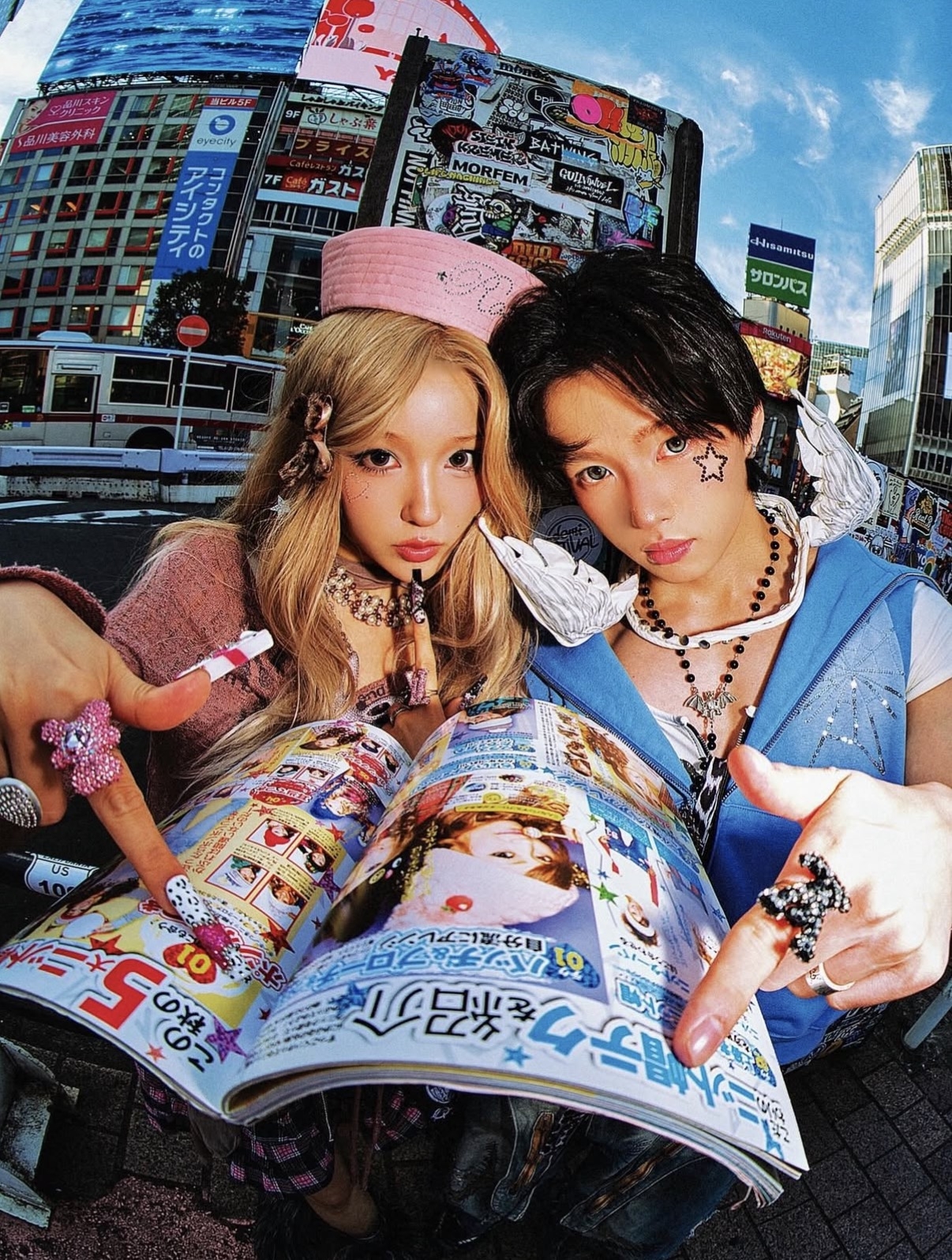
In Tokyo, the gyaru experience taps into both nostalgia and novelty. The style originated in the late 1990s and early 2000s, when Shibuya was the epicenter of youth fashion. Today, experiential studios allow visitors to fully embody the look through makeup, wigs, outfits and photo shoots.
Travelers often cite the experience as more memorable than traditional sightseeing. YouTuber Yoo Ji-yoo, who tried gyaru makeup in Tokyo, said, “I recommend trying it at least once when you travel. At first, you’re conscious of people’s attention when you step outside, but the photographer is so professional that you quickly adapt to the atmosphere. It’s the best way to capture unique photos.”
Travel agencies are already seeing the impact. Hana Tour reported that China accounted for about 30 percent of bookings for early May departures, the highest among destinations, followed by Japan at 23 percent, with demand rising alongside interest in experiential content such as wanghong and gyaru makeovers.
Industry observers say the trend reflects a broader shift in travel behavior. Rather than focusing solely on landmarks, travelers are increasingly seeking immersive, participatory experiences that allow them to create distinctive memories and content.
yoohong@heraldcorp.com