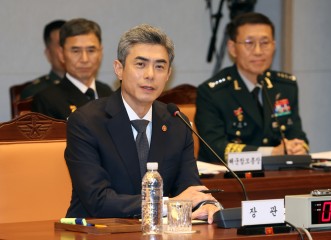
Yoon supporters run online donation drives for 'warm inmate funds,' amassing over 1.2 billon won for the former president's medical and legal fees
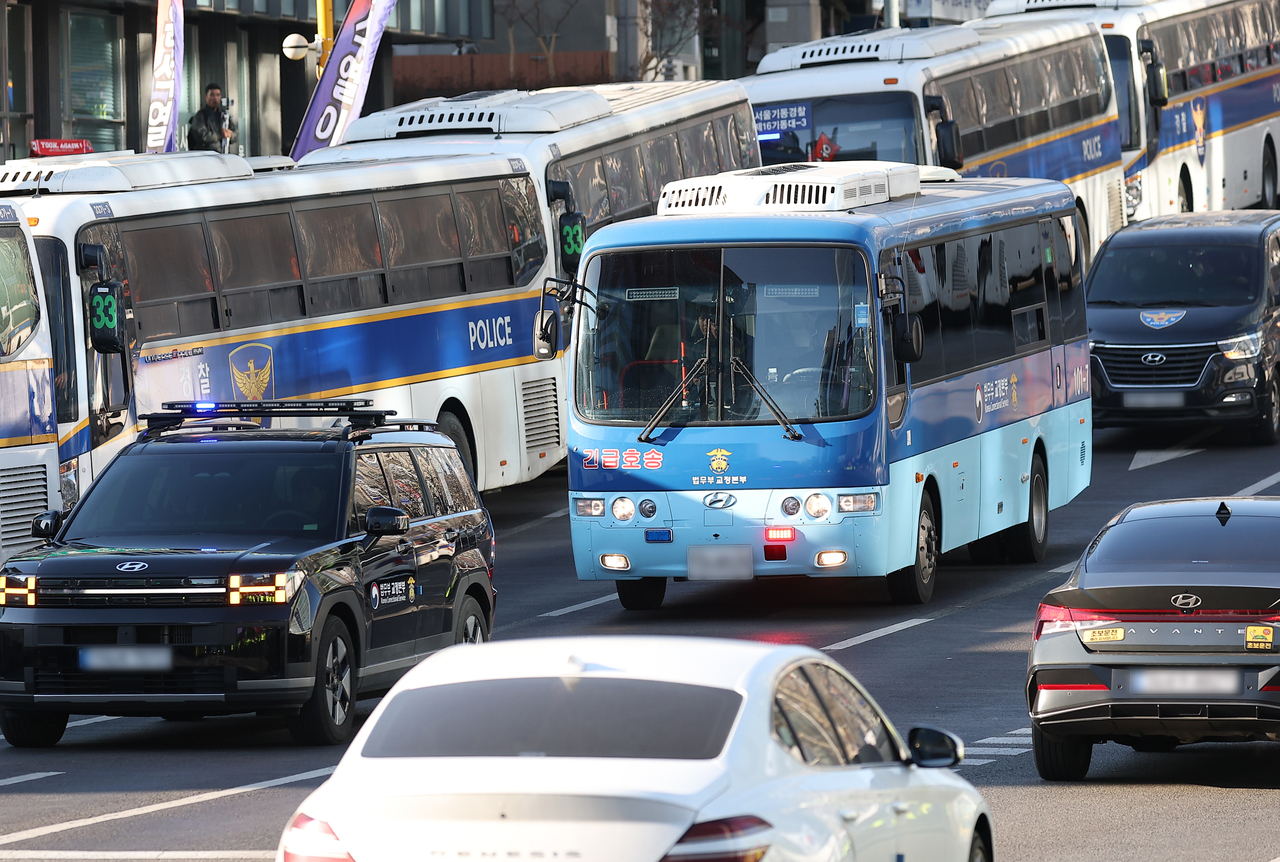
Jailed former President Yoon Suk Yeol received more than 1.2 billion won ($794,000) in inmate funds during roughly eight months of detention, according to Justice Ministry data released Sunday by Rep. Park Eun-jung of the Rebuilding Korea Party.
A source familiar with detention facilities told local outlet Chosun Biz that Yoon is known among fellow inmates for living relatively comfortably thanks to his large inmate fund balance.
Yoon’s inmate account logged more than 27,000 deposits since July 2025, when he was arrested for the second time.
The total amount is about 4.6 times the annual presidential salary for 2025, which was 271.77 million won. Most of the money was withdrawn in more than 350 transactions, averaging about 1.4 withdrawals per day.
Former first lady Kim Keon Hee also received more than 93 million won during the same period.
What Yoon can do with inmate funds
In South Korea, inmates may receive money from outside sources to pay for daily necessities such as food and toiletries. However, they are allowed to keep only up to 4 million won in their account at any given time. Any amount above that threshold must either be held until release or transferred to a personal bank account.
Because there is no cap on how often deposits and withdrawals may be made, funds can be repeatedly moved in and out of an inmate account as long as the balance remains below the limit.
Inmates are allowed to spend up to 20,000 won a day. They may use the money to buy side dishes, snacks and drinks, including four kinds of coffee -- such as milk coffee and decaffeinated coffee -- as well as three kinds of tea.
They may also purchase plastic hair clips, hairbands and skin care products such as lotion, toner and moisturizer. As of January, 141 products were available to male inmates and 148 to female inmates.
The most expensive items available are sleeping bags, priced at 46,350 won each, followed by winter blankets at 39,140 won and summer blankets at 25,750 won.
Food items such as sausages, tuna, anchovies, cup noodles and bread are sold for between 980 won and 1,450 won. Beverages range from 590 won for milk to 3,240 won for milk coffee.
Yoon supporters raise ‘warm inmate funds’

Yoon’s supporters have been conducting online fundraising drives for his inmate funds.
“You can send warm inmate funds. Show your support for Yoon Suk Yeol, who is fighting in jail for Korea’s liberal democracy,” read a social media post by Jeon Han-gil, a former history teacher turned far-right YouTuber, alongside a bank account number.
A source familiar with the matter told local media that most of the money is being used for Yoon’s medical expenses and legal fees. Maintenance fees for the former first couple’s apartment in Seocho-gu, Seoul, are reportedly being paid from Kim’s account.
In previous cases, former President Park Geun-hye was reported to have used inmate funds to buy plastic hair clips and hairpins during her 2017 imprisonment. Cho Kuk, leader of the Rebuilding Korea Party, also used inmate funds last year to operate a coffee truck for participants in a rally calling for Yoon’s ouster.
If a court issues a forfeiture order, up to 1.5 million won in an inmate’s funds may be seized. In addition, inmate funds exceeding 500,000 won are subject to taxation, although experts say it is difficult in practice for tax authorities to track individual inmate assets.
seungku99@heraldcorp.com

![[Graphic News] Korea’s marine waste up 20% in 4 years](https://wimg.heraldcorp.com/news/cms/2026/10/27/news-p.v1.20261027.091c35e4ae1a4bb2a598a9138e673a7b_T1.gif?type=h&h=800)