Where saunas meet coffee and running, connections become more natural and deeply human, say saunagoers
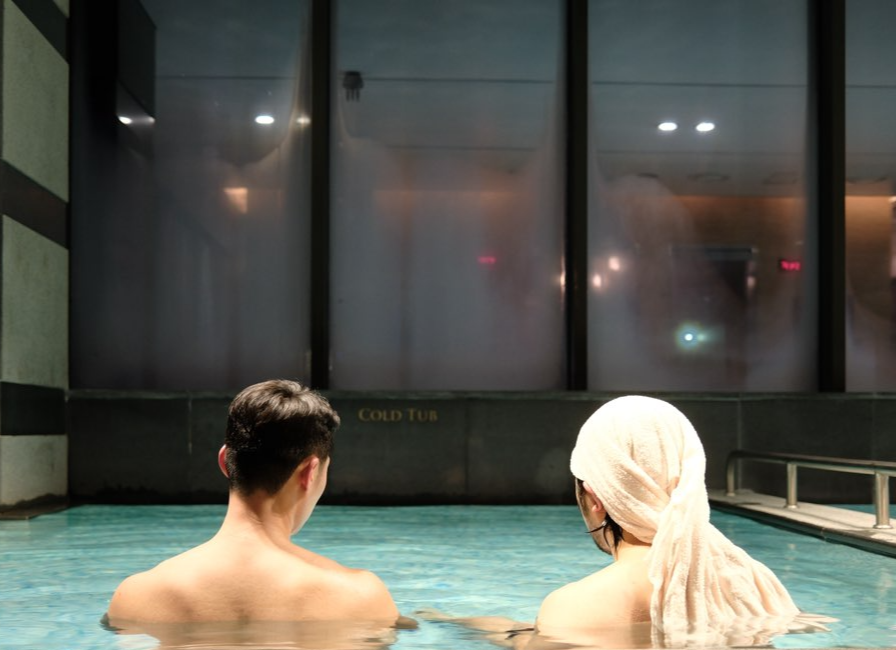
Jeong, a 34-year-old office worker living in Seoul's Nonhyeon-dong, has been bathing with strangers every two weeks for the past three months.
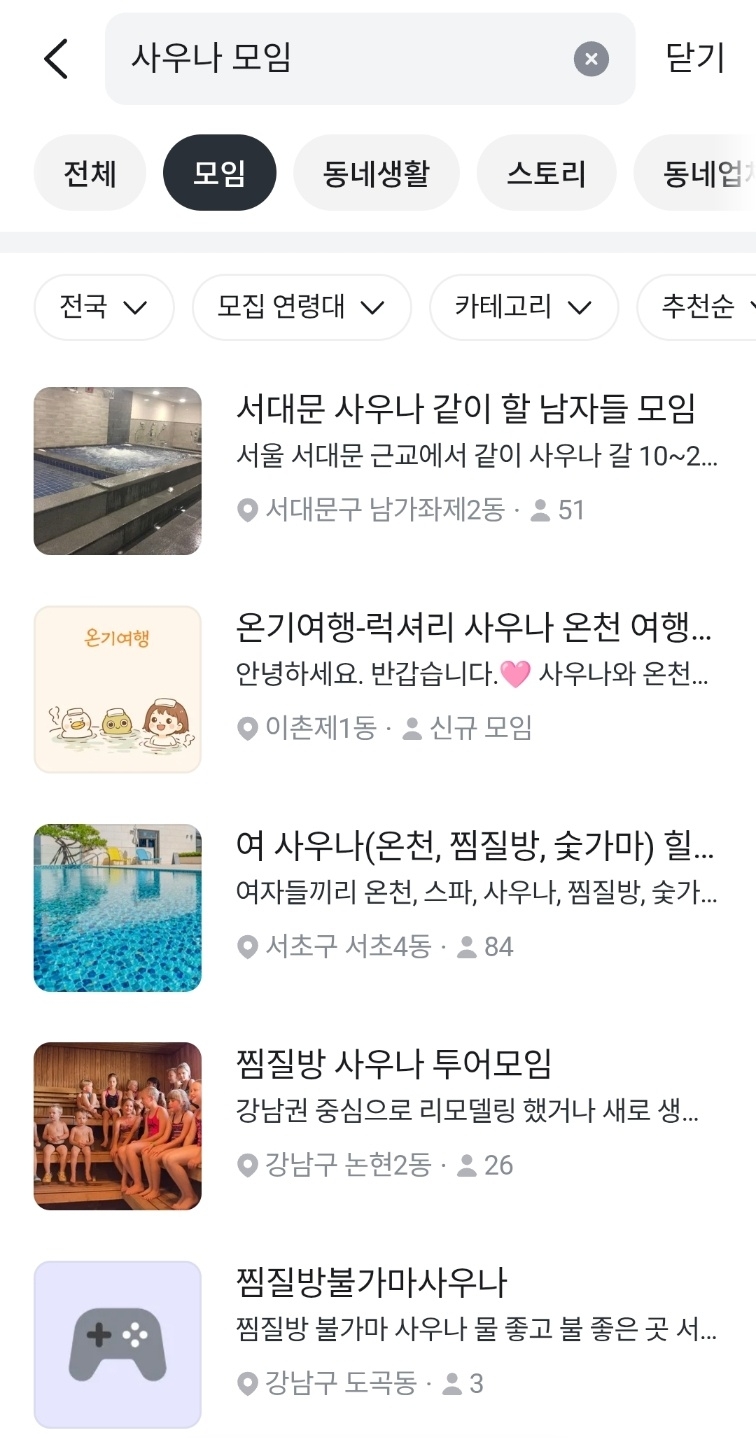
She found her bathing mates, all women in their 20s and 30s living nearby, on the app Karrot, forming what she calls a “sauna crew.”
“There are five of us, including me. We usually go together on weekends, but during the week, we split into smaller groups of two or three depending on who is free at the time," she told The Korea Herald.
"Since we all live nearby, it is easy to meet up on short notice, which is something that is hard to do with friends who live in different areas."
Jeong’s sauna group tours various “jjimjilbang,” or Korean-style bathhouses that typically feature multiple types of saunas, as well as traditional bathhouses and, at times, more luxurious hotel spas. Their routine begins with coffee and light snacks, followed by time in the dry sauna, before moving to the communal bath area to soak and shower.
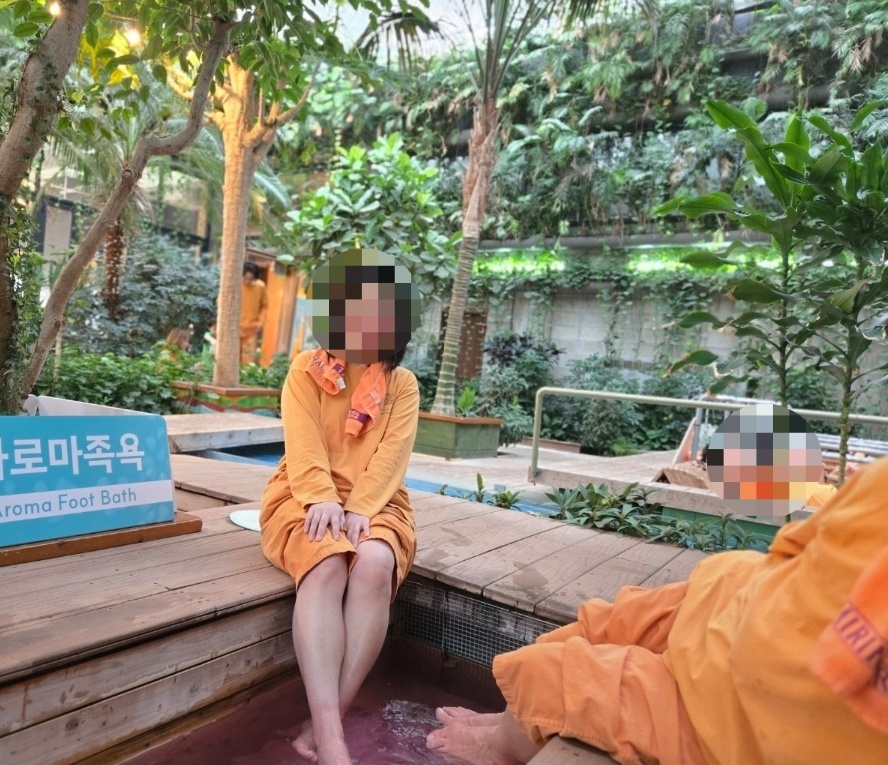
“The members change often. Some get busy with work and cannot join for a while, but then come back later. We keep things flexible,” she said.
Her group is one of many sauna groups on Karrot, connecting people of the same gender and similar age within neighborhoods, with some extending to the district or city level.
While many groups are organized by gender, mixed sessions also take place, where participants use shared dry saunas and later separate for bathing and washing.
"A few people from my running crew and I started a smaller sauna group. It began with people from nearby neighborhoods, but has since grown to include members from across the district, with participants ranging in age from their 20s to 40s,” said Lee Yu-rim, a 35-year-old housewife in Yeonsu-gu, Incheon, who has been running the group of over 30 members since last year.
Socializing through steam
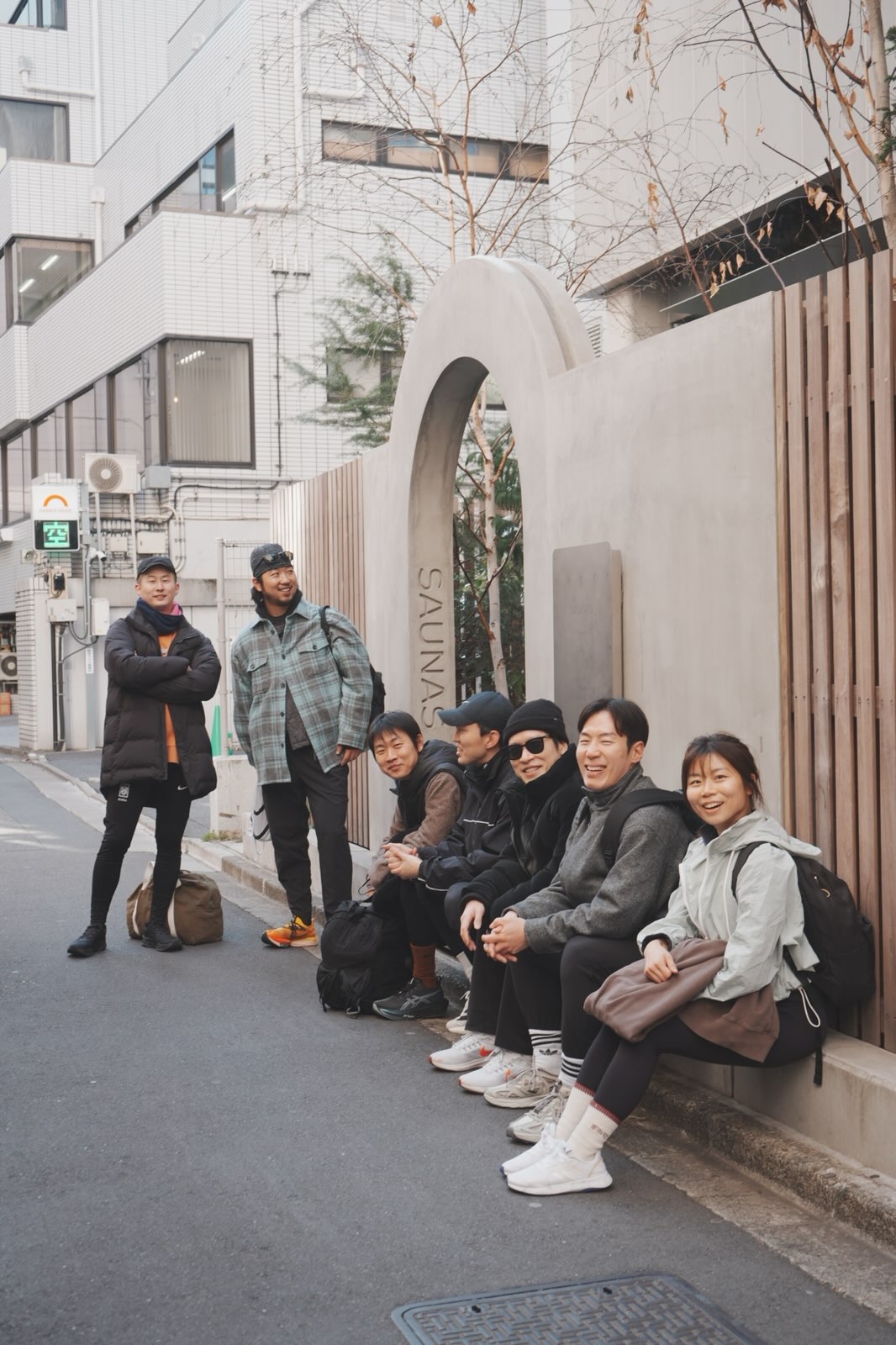
While the idea of showing bare skin to strangers may seem awkward at first, communal bathing has long been part of Korean culture, dating from a time before urban apartment living made private bathrooms widely available. In fact, many Koreans see bathing together as an effective way to quickly form meaningful connections within the same gender.
Inside some small dry saunas of a hotel in Seoul late last month, a new kind of “coffee chat” took place, redefining the traditional informal career meeting.
Five men and three women from a wide range of professions, including office workers, actors, show hosts, self-employed business owners and personal trainers, gathered early in the morning before work to share their career concerns and stay updated on various industry trends.
The program included a dry sauna, a cold bath and showers, conducted separately by gender. The socialization continued outside the sauna, with all participants gathering in the hotel’s lounge area for a light breakfast of sandwiches and coffee.
Dubbed "sauna coffee chat," the event was jointly held by sauna community mondaysauna and wellness community brand Seoul Morning Coffee Club, at Seoul Dragon City in Yongsan-gu on Feb. 23.
“It was a little awkward in the beginning since most participants were strangers, but after the sauna sessions, they became comfortable with each other surprisingly quickly,” said Kim Young-kwon, founder and CEO of mondaysauna, the first group in Korea to host a variety of sauna-themed events both online and offline.
“Being in such an unfiltered state while sharing the relaxing experience of moving between the heat and the cold seemed to wash away the awkwardness, making it much easier for participants to break the ice.”
This sauna-based networking is already a burgeoning trend among outdoor enthusiasts.
Around 15 runners came together at a teepee-style tent in Seoul's Hongdae district last month, following a 3-kilometer morning run in the area.

The tent welcomed them into a cocoon of warmth, as a wood stove emitted a steady cloud of steam, created by the traditional method of pouring water over heated stones.
It was a “sauna run,” an event combining running and sauna, organized by Out Of All, a global premium running and outdoor brand known for hosting a range of wellness-focused programs.
The program ran every weekend in December and continued every Wednesday last month, offering two sessions from 10:00 to 11:30 a.m. and 11:30 a.m. to 1:00 p.m. A total of 114 people took part.
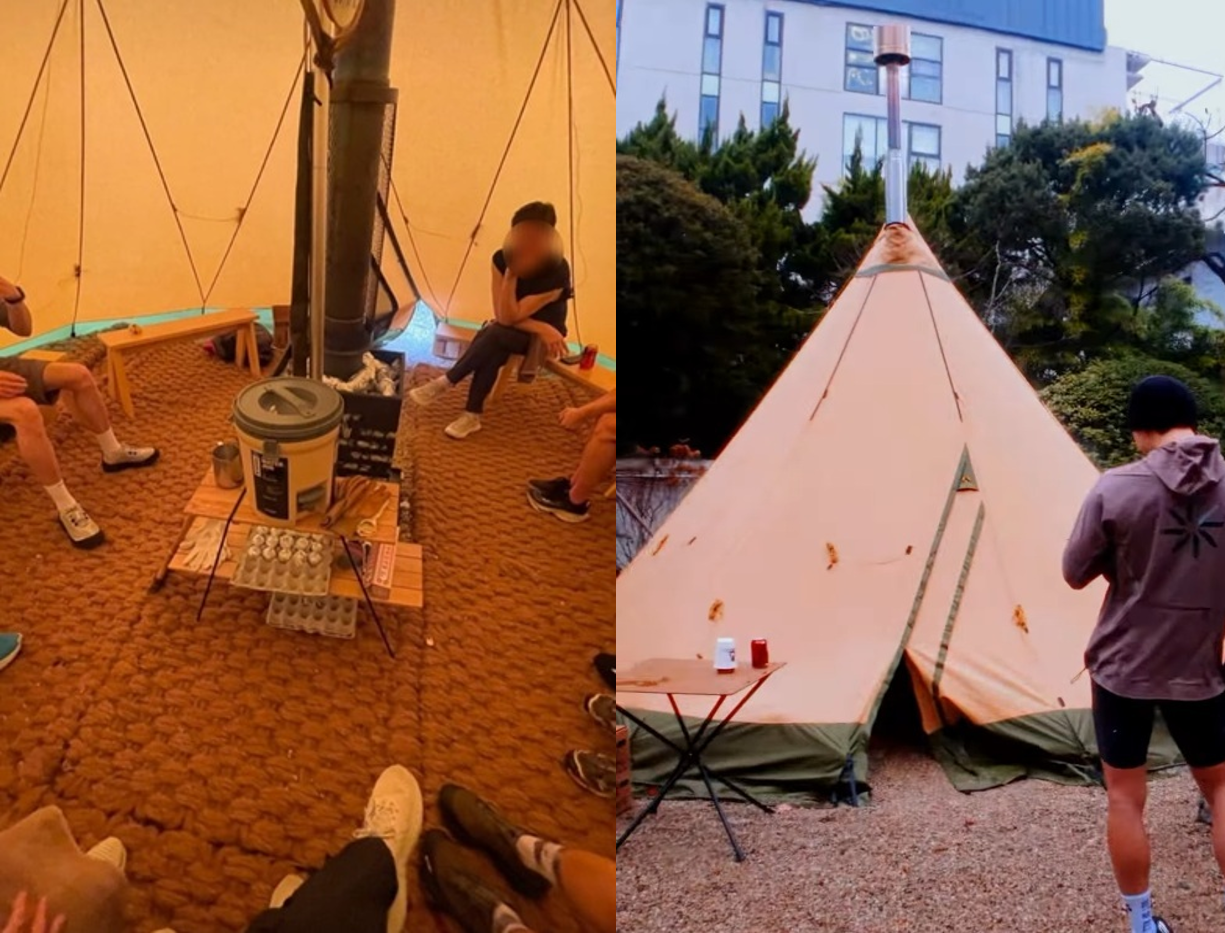
“We were surprised to see that not only people interested in running, but also those who enjoy leisure activities like saunas and hot springs, learned about the event through social media and came to participate,” said Kim Young-ha, the brand's marketing narrative manager.
“During the free talk session, participants took turns introducing themselves and discussing how they found the event and their goals for the year, creating a unique sense of connection in the tent’s intimate warmth."
Bare moments lead to deeper bonds
Sim Yong-seok, a 32-year-old sauna enthusiast who organizes his own sauna gatherings and actively participates in communities like mondaysauna, said that the appeal of sauna-based networking lies in its uniquely natural atmosphere, which often helps people form deeper connections.
“Saunas, where you go in without your phone, offer a break from the dopamine-filled online world of constant news and endless scrolling. It becomes a space where people can show their true selves and have more genuine conversations," he said.
“I think this growing desire for more analog, human connections is why saunas are gaining attention as networking spaces.”


Nostalgia for Korea’s traditional public bathhouse culture is another driver behind the growing trend of sauna gatherings among young Koreans, according to Lee In-hye, an anthropologist and former researcher at the National Folk Museum of Korea.
"In the past, people turned to public baths to strengthen their communal bonds. Between the 70s and 90s, it wasn't unusual for colleagues to hit the sauna together after a long day at the office or a company dinner. The goal was to use the act of bathing as a bridge to build closer connections," she said.
“Since the COVID-19 pandemic, worries about hygiene in shared spaces have led many traditional bathhouses to close, paving the way for private scrub services. Yet the basic need for bathing, combined with a deep-rooted desire for community, has rekindled a longing for the days when people could connect without social pretense."
cjh@heraldcorp.com